Vibration-reducing ramp pavement is becoming an important solution in modern road engineering, especially for bridges, parking structures, highway ramps, tunnels, and elevated roadways. By minimizing vehicle-induced vibration and impact stress, these specialized pavement systems help extend road service life, improve driving comfort, and reduce long-term maintenance costs.
As traffic volumes and vehicle loads continue increasing, infrastructure owners are seeking pavement technologies that can better protect road structures from continuous dynamic stress. Low-vibration anti-skid pavement systems are designed specifically to address these challenges.
Vibration-reducing ramp pavement is a high-performance surfacing system engineered to absorb and disperse the dynamic forces generated by moving vehicles. These systems typically combine:
Flexible resin binders
Elastic polymer materials
High-friction aggregates
Noise-reducing surface textures
Impact-resistant pavement layers
The result is a durable pavement structure that reduces vibration transmission between vehicles and the underlying road or bridge deck.
Heavy traffic, braking, acceleration, and repetitive wheel loading generate constant vibration and impact forces on pavement surfaces. Over time, excessive vibration can cause:
Surface cracking
Aggregate loss
Structural fatigue
Delamination
Joint deterioration
Increased maintenance requirements
Ramps and bridge approaches are especially vulnerable because vehicles often change speed, brake suddenly, or experience concentrated loading in these areas.
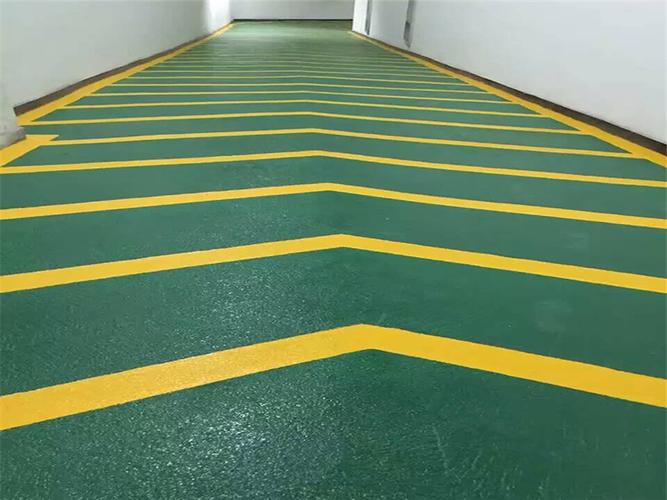
Flexible anti-vibration pavement systems absorb part of the vehicle impact energy, reducing direct stress on the pavement base and supporting structure.
Lower stress levels help prevent:
Fatigue cracking
Surface deformation
Premature structural damage
Bridge deck deterioration
This significantly improves the long-term durability of road infrastructure.
Traditional rigid pavement systems may develop cracks under repeated traffic loading and thermal expansion. Vibration-reducing pavement materials offer greater flexibility and crack resistance.
The improved elasticity helps the pavement adapt to:
Heavy vehicle movement
Temperature fluctuations
Structural expansion and contraction
Repetitive traffic stress
As a result, maintenance frequency can be reduced.
Modern polymer-modified and MMA-based pavement systems provide excellent adhesion between the pavement layer and the substrate.
Strong bonding helps prevent:
Delamination
Surface peeling
Water infiltration
Aggregate loss
Better bonding performance directly contributes to longer pavement lifespan.
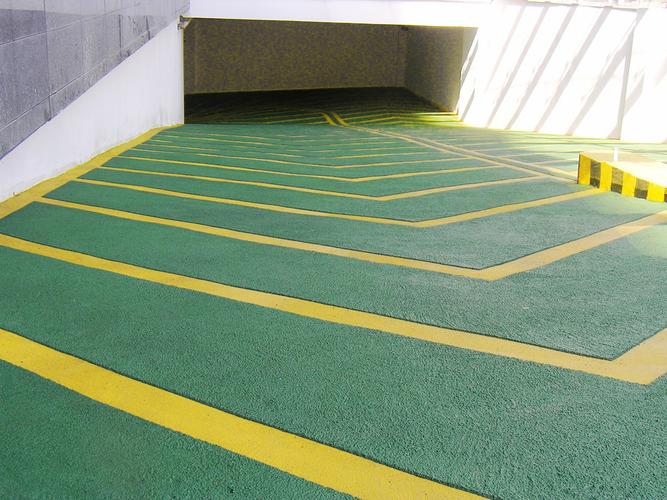
Vibration-reducing pavement systems are often combined with anti-skid aggregates that maintain high friction performance.
This improves:
Vehicle stability
Braking safety
Wet-weather traction
Driving comfort on ramps and curves
Safer driving conditions also reduce localized pavement damage caused by sudden braking and tire friction.
Several advanced materials are commonly used in vibration-reducing road surfacing systems.
MMA resin provides flexibility, rapid curing, and excellent durability under heavy traffic conditions.
Polymer additives improve elasticity, crack resistance, and fatigue performance in asphalt pavement systems.
High-friction ceramic particles improve both skid resistance and visual guidance while maintaining long-term durability.
Elastic membrane systems help absorb vibration and protect bridge decks from moisture penetration.
Vibration-reducing ramp pavement is widely used in:
Highway ramps
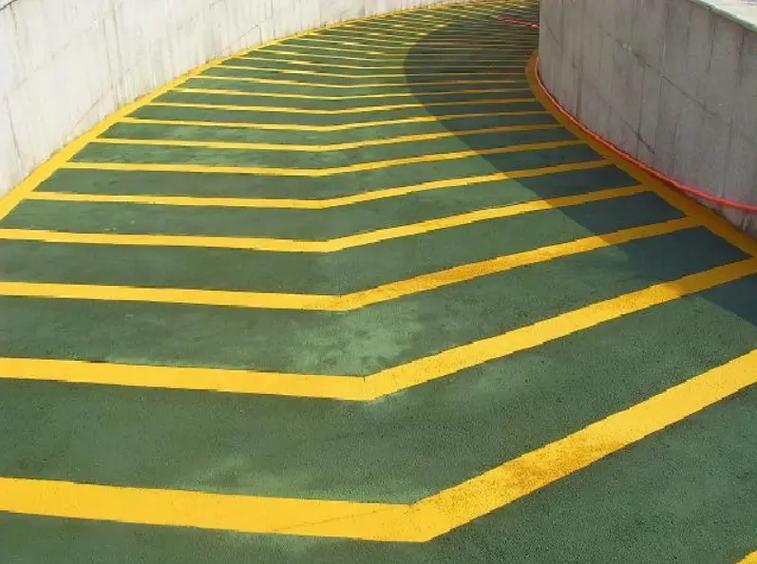
Parking garage ramps
Bridge decks
Tunnel entrances
Elevated highways
Toll plazas
Industrial loading areas
Urban overpasses
These high-stress areas benefit greatly from improved vibration control and pavement durability.
Extending pavement service life provides significant economic advantages for municipalities and infrastructure operators.
Benefits include:
Reduced maintenance frequency
Lower repair costs
Fewer traffic disruptions
Longer infrastructure lifespan
Improved lifecycle cost efficiency
Investing in high-performance vibration-reducing pavement systems can greatly reduce long-term infrastructure management expenses.
As transportation infrastructure evolves, low-vibration pavement technology will continue advancing through new resin materials, smart aggregates, and sustainable construction methods.
Future pavement systems are expected to provide:
Better energy absorption
Lower traffic noise
Increased structural protection
Improved environmental performance
Enhanced smart road integration
Vibration-reducing anti-skid pavement is becoming a key component of safer, longer-lasting, and more sustainable transportation infrastructure.