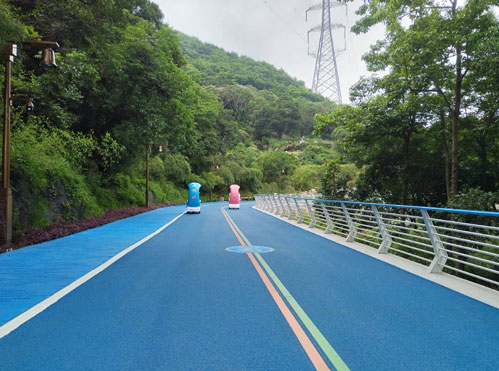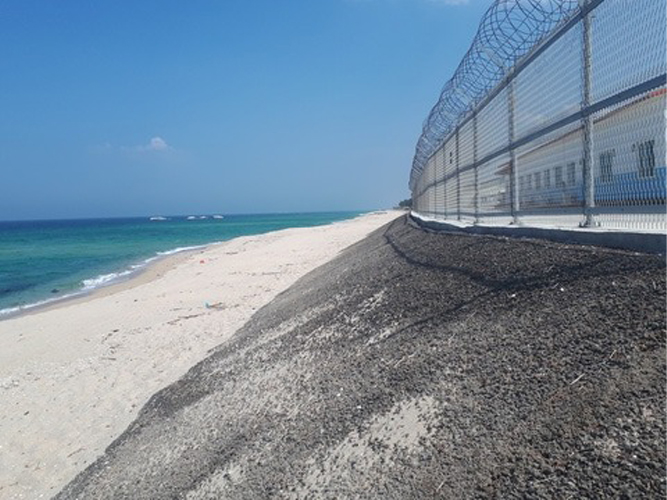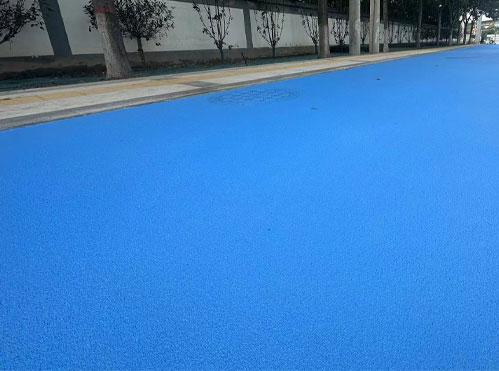
Color emulsified micro-surfacing is an advanced road maintenance technology widely used for restoring worn pavement surfaces while improving safety, durability, and visual performance. It is a thin-layer cold mix system composed of polymer-modified asphalt emulsion, fine aggregates, fillers, water, and color pigments. This combination creates a fast-setting surface treatment that extends pavement life without requiring full reconstruction.
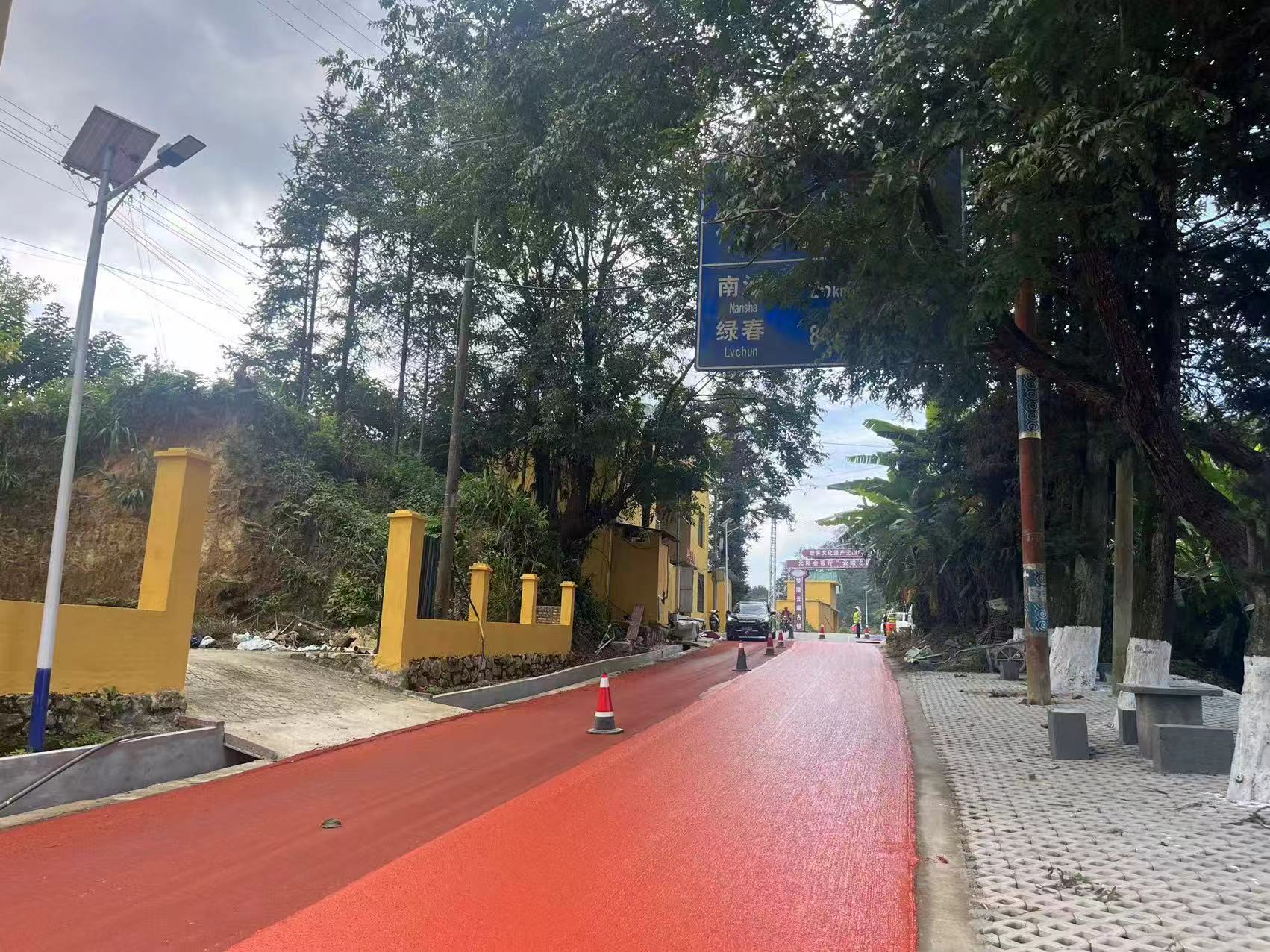
One of the main reasons to choose color emulsified micro-surfacing is its excellent cost-effectiveness. Compared with traditional milling and resurfacing methods, it requires fewer materials and less labor while delivering strong functional performance. Because it is applied as a thin overlay, it preserves the existing pavement structure and significantly reduces maintenance costs for large-scale road networks.
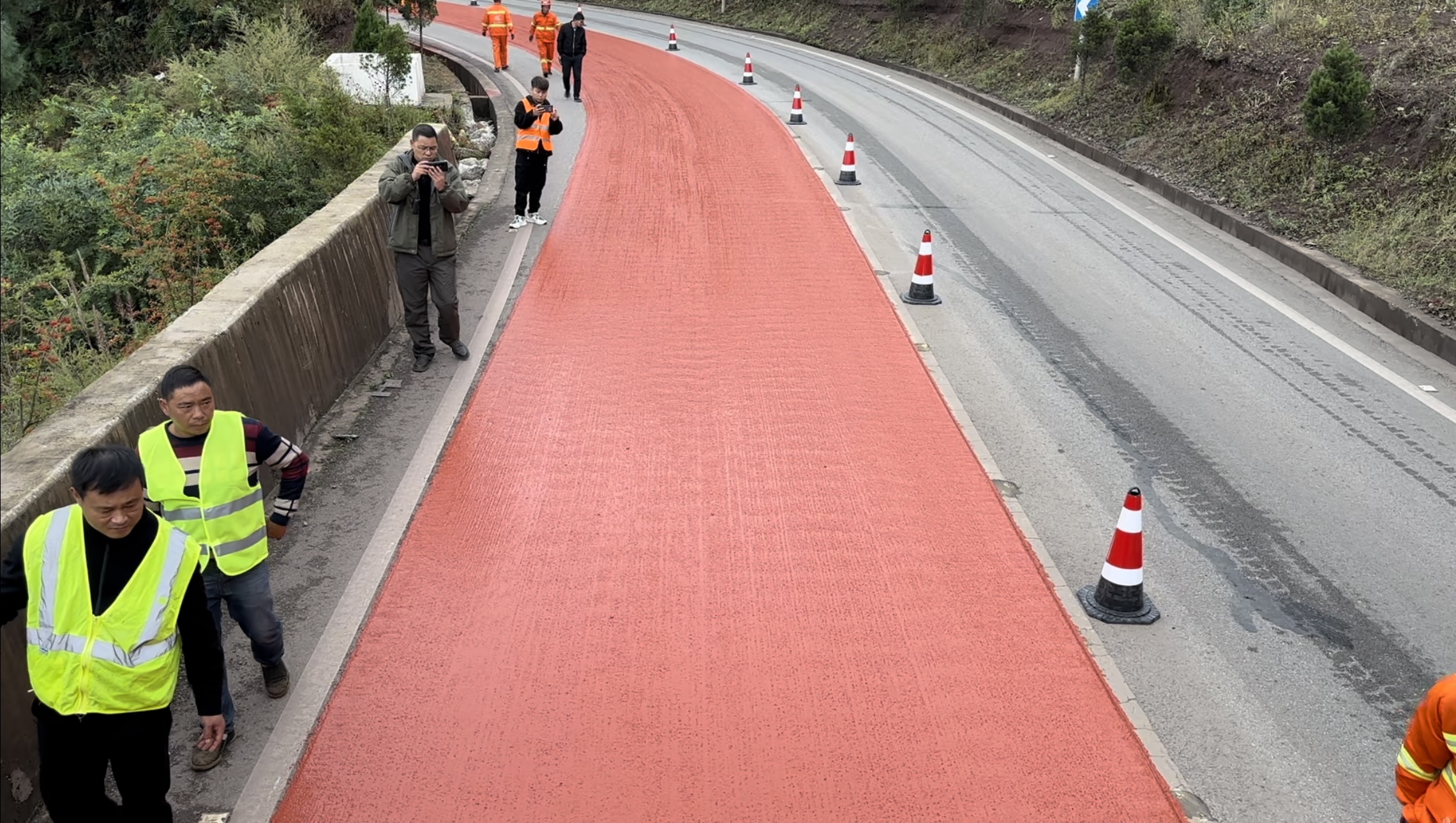
Another key advantage is rapid construction and minimal traffic disruption. The mixture can be applied quickly using specialized spreading equipment and cures in a relatively short time. This allows roads to reopen to traffic within hours, making it ideal for busy urban roads, highways, intersections, and public transportation corridors where downtime must be minimized.
In terms of performance, color emulsified micro-surfacing provides excellent skid resistance and surface texture. The inclusion of high-quality aggregates improves friction, reducing the risk of skidding in wet or high-speed conditions. This makes it highly effective for improving safety in accident-prone areas such as curves, ramps, and intersections.
Durability is another important benefit. The polymer-modified emulsion enhances bonding strength, flexibility, and resistance to cracking, rutting, and water damage. The surface also helps seal minor cracks and prevent further pavement deterioration, effectively extending the service life of the underlying road structure.
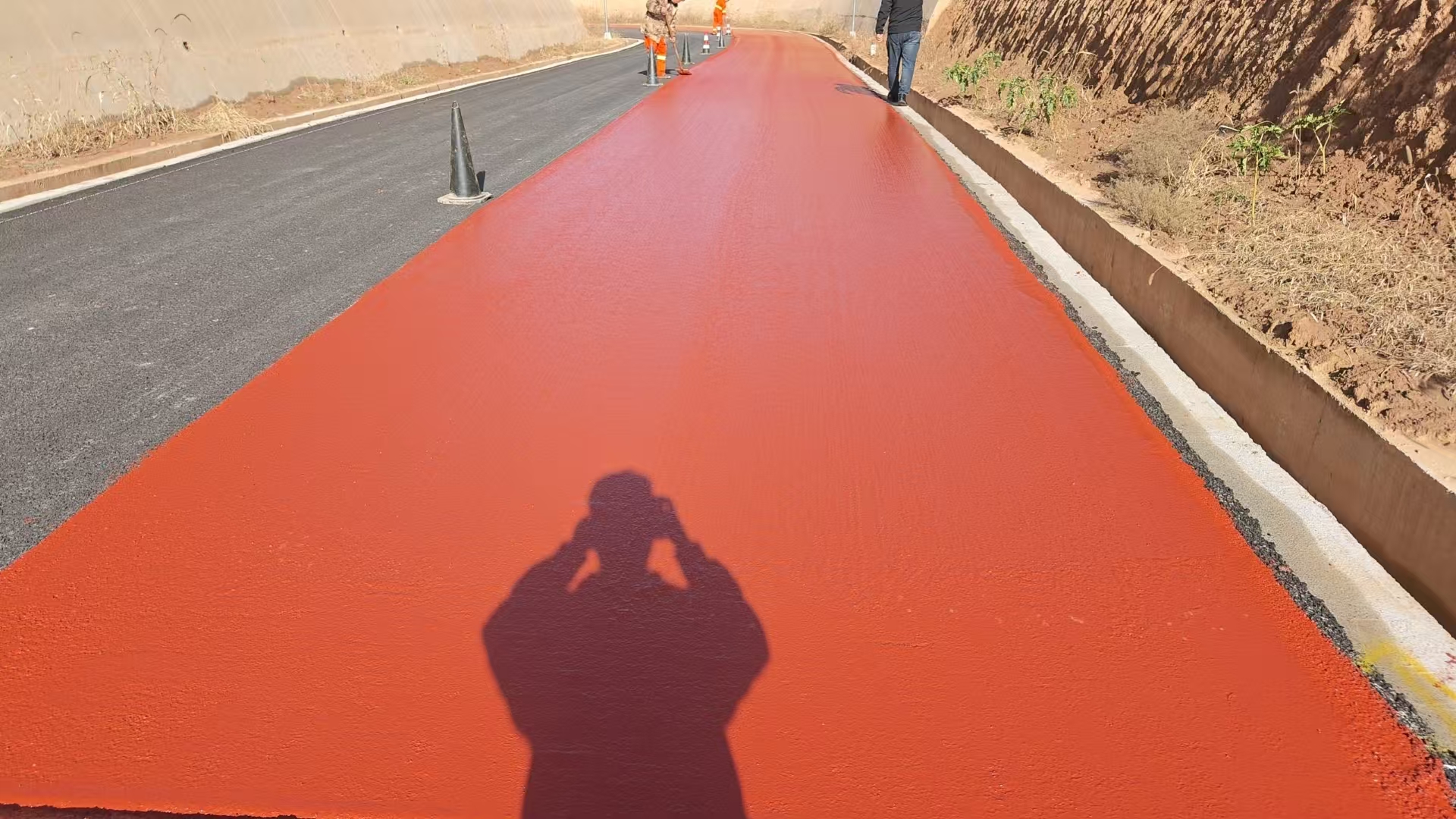
Color functionality adds an additional layer of value. Bright pigments can be incorporated into the micro-surfacing layer to clearly define traffic zones such as bike lanes, bus lanes, pedestrian crossings, and safety areas. This improves road visibility and supports better traffic organization in modern urban environments.
Environmentally, color emulsified micro-surfacing is considered a sustainable solution. It uses cold-mix technology, reducing energy consumption and lowering emissions compared to hot-mix asphalt processes.
Overall, color emulsified micro-surfacing is a practical and efficient choice for road surface restoration, combining safety improvement, cost savings, durability, and environmental benefits in one integrated pavement solution.