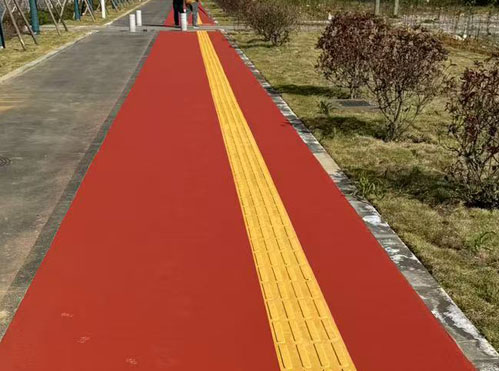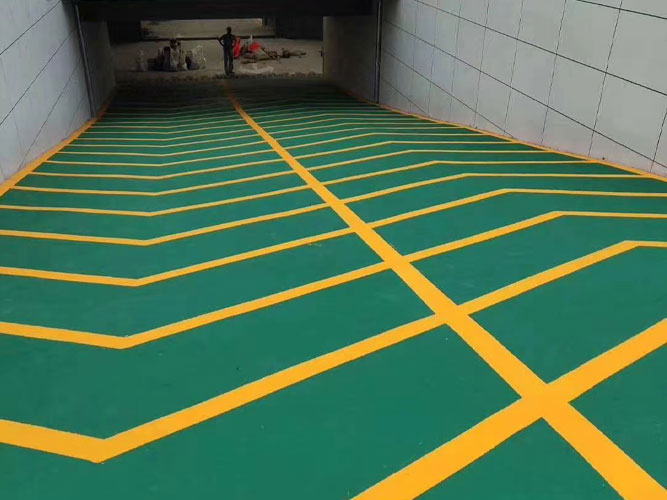
Anti-slip ramps are essential components of modern urban infrastructure, providing safe transitions between different surface levels for pedestrians, wheelchairs, bicycles, and vehicles. The performance of these ramps depends heavily on the materials used, which must combine skid resistance, durability, weather stability, and user comfort.
Below are the most widely used and effective anti-slip ramp materials in modern city construction.
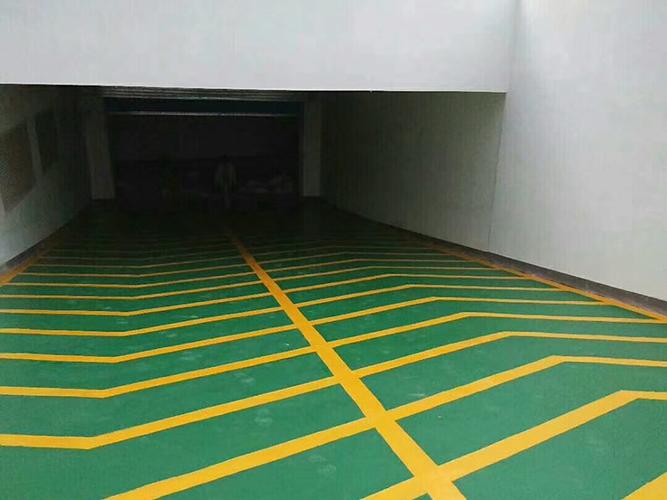
MMA resin is one of the most advanced materials used for high-performance anti-slip ramps.
Key advantages include:
Extremely fast curing (often within 1–2 hours)
Strong adhesion to asphalt and concrete
Excellent weather and UV resistance
High durability under heavy traffic
When combined with high-friction aggregates, MMA ramps provide excellent skid resistance and long service life. They are widely used in busy urban areas where downtime must be minimized.

Epoxy-based ramps are known for their strong bonding strength and mechanical durability.
Key features:
High compressive strength
Good wear resistance
Suitable for indoor and semi-outdoor applications
Long service life under moderate traffic
However, epoxy systems may be less flexible under extreme temperature changes compared to MMA or polyurethane.
Polyurethane materials offer a balance between flexibility and durability, making them suitable for ramps exposed to vibration or thermal movement.
Advantages include:
Elastic performance under stress
Good crack resistance
Strong adhesion and impact resistance
Comfortable surface feel for pedestrians
PU systems are often used in pedestrian-heavy environments such as commercial zones and public walkways.
Modified concrete is a traditional but widely used material for ramps in heavy-duty applications.
Key benefits:
High structural strength
Suitable for heavy vehicle loads
Long service life
Cost-effective for large-scale projects
However, it requires additional surface treatment (such as anti-slip aggregates or coatings) to improve skid resistance.
This is a hybrid solution commonly used in modern anti-slip ramps.
Typical aggregates include:
Calcined bauxite
Ceramic particles
Quartz sand
Emery granules
Benefits include:
Extremely high skid resistance
Long-lasting surface texture
Strong performance in wet conditions
Suitable for steep slopes and ramps
This system is widely used in parking ramps, bridge approaches, and urban road transitions.
Rubber or composite materials are used in specific pedestrian-focused applications.
Advantages include:
Excellent shock absorption
Noise reduction
Comfortable walking experience
High safety for elderly and children
These are commonly used in playgrounds, schools, and indoor-access ramps.
Water-based coatings are eco-friendly alternatives used for light to medium traffic ramps.
Key features:
Low VOC emissions
Easy application
Good color visibility
Moderate durability
They are suitable for sustainable urban projects and pedestrian areas.

Choosing the best material depends on several factors:
Traffic type (pedestrian, bicycle, vehicle)
Load intensity
Weather conditions
Required service life
Construction time constraints
Environmental requirements
The best anti-slip ramp materials for urban infrastructure include MMA resin systems, polyurethane coatings, epoxy resins, and high-friction aggregate composites. Among them, MMA and resin-aggregate systems are the most widely used for high-performance urban applications due to their fast curing, strong durability, and superior skid resistance. As cities continue to develop safer and more accessible environments, these materials play a key role in improving mobility, reducing accidents, and enhancing overall urban infrastructure quality.