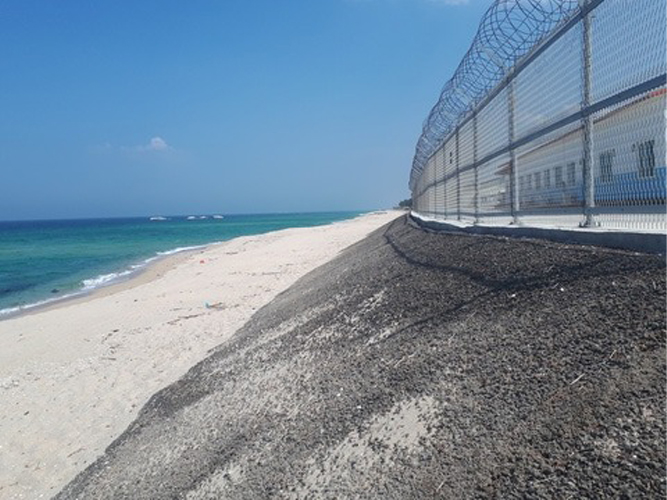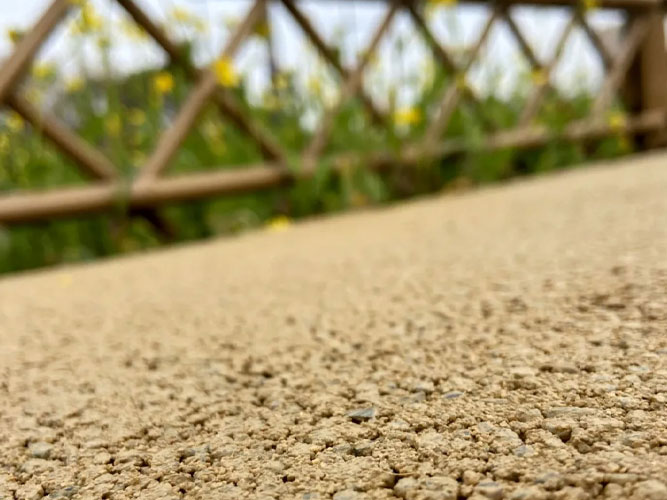
Colored asphalt is a specialized pavement material that combines the strength of traditional asphalt with decorative and functional color treatments. It is widely used on bike lanes, pedestrian walkways, bus lanes, parking areas, parks, scenic roads, and urban public spaces. By adding color to the pavement surface, colored asphalt improves traffic organization, enhances safety, and creates a more attractive urban environment.
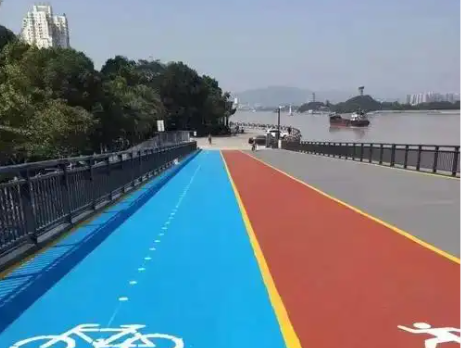
Colored asphalt can be produced in several ways:
Special pigments are mixed directly into a light-colored or transparent asphalt binder. This method creates a permanent color throughout the pavement layer and is commonly used for high-end urban projects.
A colored resin or polymer coating is applied to the existing asphalt surface. This is one of the most economical and popular methods because it is easy to install and maintain.
Colored resin is combined with high-friction aggregates such as bauxite or ceramic particles. This system not only provides vibrant colors but also significantly improves skid resistance.

Different colors are used to indicate specific traffic functions:
Red: Bicycle lanes, bus lanes, pedestrian crossings
Green: Eco-friendly pathways, parks, cycle routes
Blue: Public recreational areas and waterfront zones
Yellow: Warning zones and traffic guidance areas
Gray or Brown: Scenic roads and landscape projects
The choice of color depends on local regulations, project requirements, and aesthetic goals.
Colored pavement clearly separates different traffic zones, helping drivers, cyclists, and pedestrians identify their designated paths. This reduces confusion and improves road safety.
Many colored asphalt systems incorporate anti-slip aggregates, providing excellent traction during wet or rainy conditions.
Colored asphalt adds visual appeal to streets, parks, campuses, and commercial districts, creating a modern and organized environment.
High-quality colored asphalt systems resist wear, UV exposure, and weathering, maintaining their appearance for many years.
Modern water-based and low-VOC colored pavement materials help reduce environmental impact while supporting sustainable urban development.
Colored asphalt is commonly used in:
Bicycle lanes
Pedestrian walkways
Bus priority lanes
School zones
Traffic calming areas
Parking lots
Public squares
Scenic tourist roads
Residential communities
Industrial parks
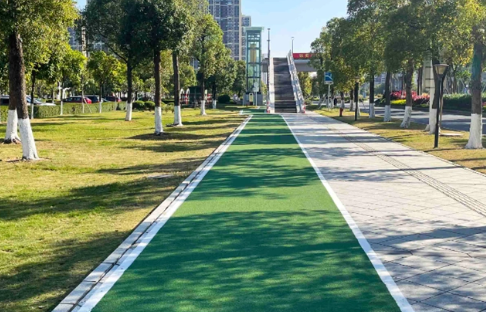
The installation process generally includes:
Surface cleaning and preparation
Repair of cracks or damaged pavement
Application of primer if required
Placement of colored asphalt or colored coating
Broadcasting anti-slip aggregates (if applicable)
Curing and opening to traffic
Most modern colored pavement systems can be installed quickly, minimizing disruption to traffic.
To maintain appearance and performance:
Clean the surface regularly
Remove oil stains and debris promptly
Inspect for wear in high-traffic areas
Reapply colored coatings when necessary
Repair damaged sections early to prevent further deterioration
With proper maintenance, colored asphalt can provide long-lasting performance and visual appeal.
Colored asphalt is more than just a decorative pavement solution. It enhances road safety, improves traffic management, increases skid resistance, and creates attractive public spaces. Whether used for bicycle lanes, pedestrian areas, urban roads, or scenic routes, colored asphalt offers a durable and effective way to combine functionality with aesthetics in modern infrastructure projects.