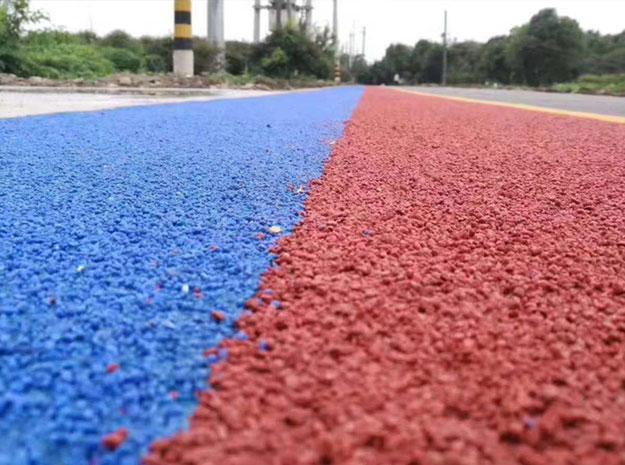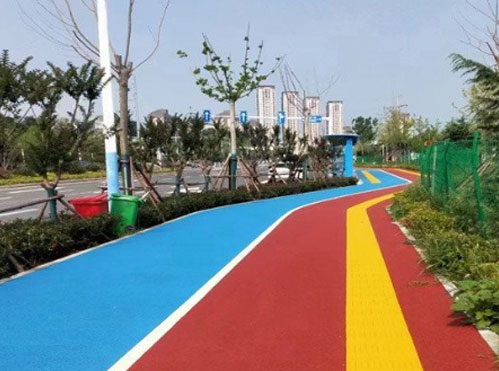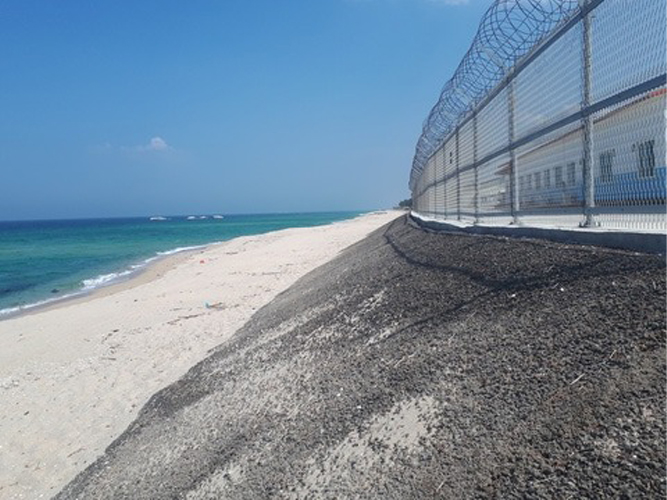
Colored pavement has become increasingly popular in urban infrastructure, commercial developments, bicycle lanes, pedestrian areas, and public spaces. While it typically requires a higher initial investment than traditional asphalt or concrete surfaces, many project owners find that the long-term benefits justify the additional cost.
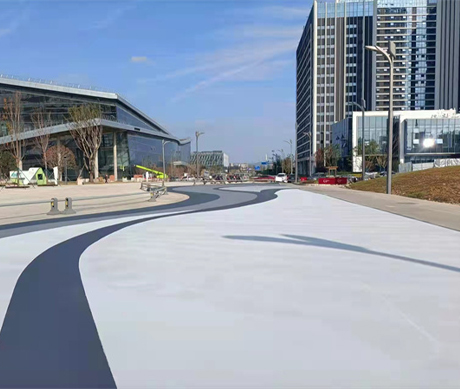
One of the primary advantages of colored pavement is improved safety. Bright, highly visible surfaces help drivers, cyclists, and pedestrians quickly recognize designated areas such as bike lanes, bus lanes, crosswalks, and traffic-calming zones. This enhanced visibility can contribute to better traffic organization and reduced accident risks.
Colored pavement also delivers significant aesthetic value. Cities, parks, campuses, and commercial properties use colored surfaces to create attractive environments that stand out from conventional gray or black pavements. A well-designed colored pavement system can enhance the overall appearance of a project and improve public perception.
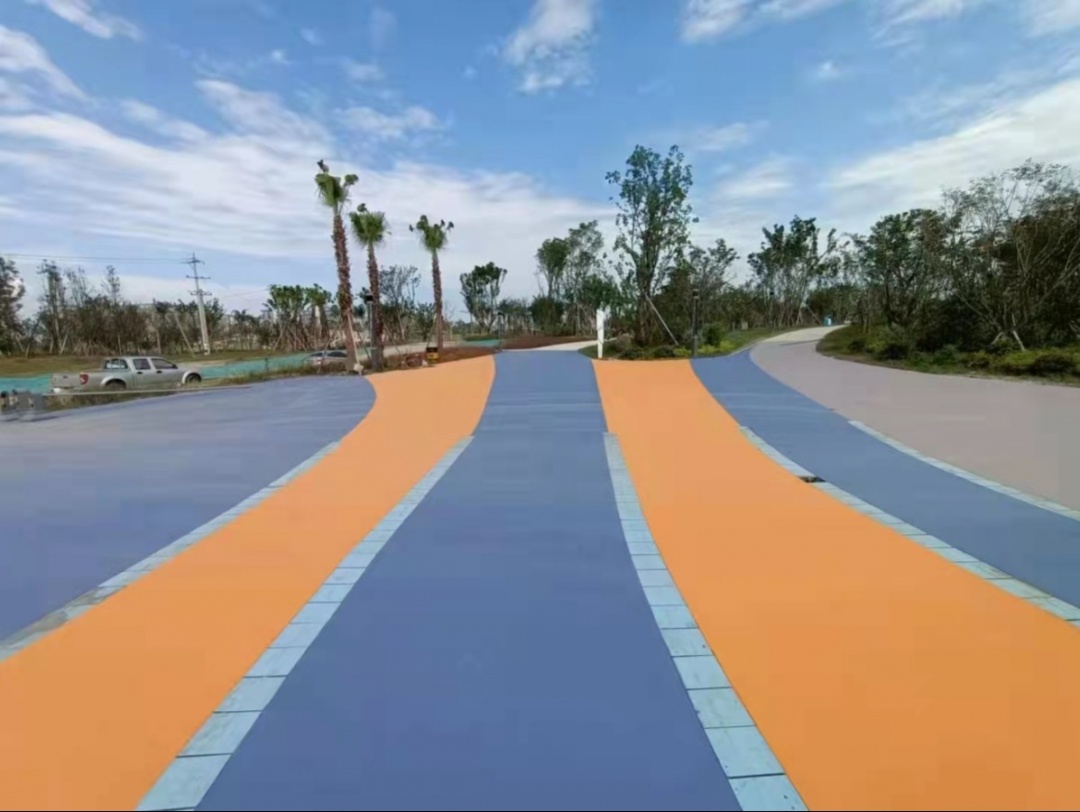
Durability is another important factor. Modern colored pavement systems, especially those using MMA resin, epoxy, polyurethane, or high-friction aggregates, are engineered to resist wear, UV exposure, and harsh weather conditions. When properly installed and maintained, these surfaces can provide years of reliable performance.
From a functional perspective, colored pavement improves wayfinding and space management. Different colors can be used to clearly define traffic routes, pedestrian zones, parking areas, and recreational spaces. This helps users navigate more efficiently while supporting safer and more organized transportation networks.
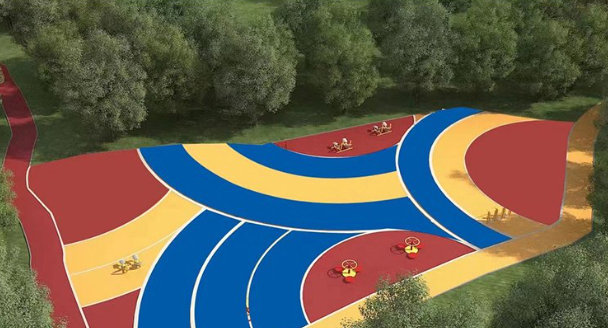
Although the upfront cost is generally higher than standard pavement, colored pavement may reduce long-term maintenance expenses in certain applications. High-quality systems often require fewer repainting cycles than traditional road markings and can maintain their appearance for extended periods.
The return on investment is particularly strong for projects where safety, visibility, branding, or public image are priorities. Municipal governments, transportation agencies, universities, business parks, and tourist destinations frequently choose colored pavement because of its ability to combine practical performance with visual impact.
Ultimately, whether colored pavement is worth the investment depends on project goals and budget considerations. For applications that benefit from enhanced safety, clear traffic guidance, and improved aesthetics, colored pavement often provides substantial long-term value that extends far beyond its initial installation cost.