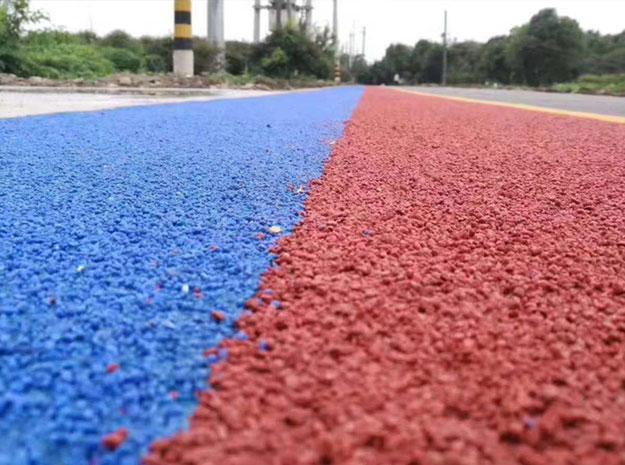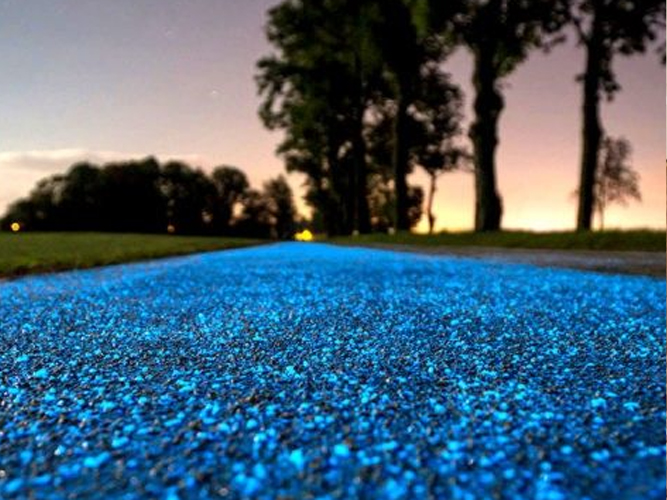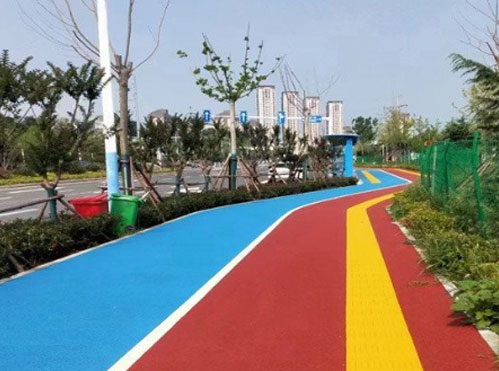
Road safety and traffic visibility are essential factors in modern transportation infrastructure. Colored anti-slip surfacing for roads provides an effective solution by combining high-friction performance with vibrant, long-lasting colors. These specialized pavement systems are widely used on highways, intersections, bicycle lanes, bus lanes, pedestrian crossings, and other high-risk traffic areas to improve safety, guide road users, and enhance the appearance of urban environments.
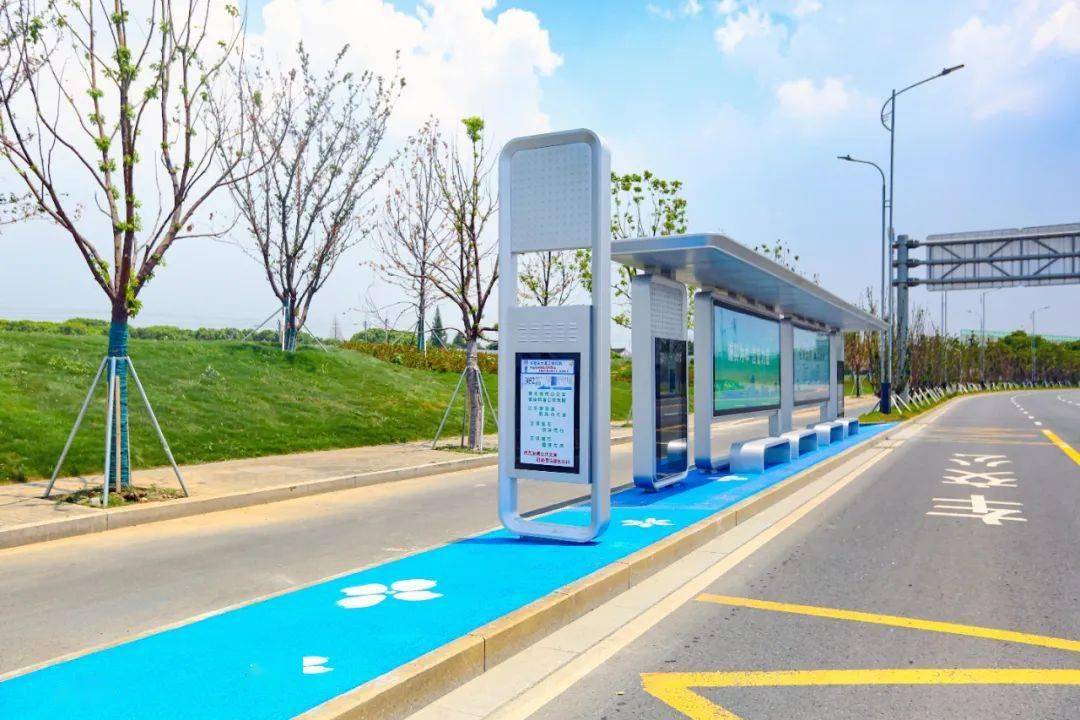
Colored anti-slip surfacing is a high-friction pavement treatment that incorporates durable colored aggregates and advanced resin binders to create a textured, skid-resistant road surface. The system is designed to improve vehicle traction while providing clear visual differentiation between traffic zones.
Typical components include:
Colored ceramic aggregate
Calcined bauxite aggregate
Epoxy resin binders
Polyurethane resin systems
MMA (Methyl Methacrylate) binders
High-performance anti-skid coatings
These materials work together to create a durable surface that maintains both color and skid resistance over time.
The primary purpose of anti-slip surfacing is to improve friction between vehicle tires and the road surface. Increased traction helps drivers maintain better control, especially in areas where braking, turning, or sudden maneuvers are common.
Safety benefits include:
Reduced braking distances
Improved vehicle stability
Better cornering performance
Lower risk of skidding
Enhanced wet-weather safety
Colored surfacing provides strong visual cues that help drivers, cyclists, and pedestrians quickly identify specific roadway functions and traffic zones.
Common color applications include:
Red bus lanes
Green bicycle lanes
Yellow caution zones
Colored pedestrian crossings
Traffic calming areas
Enhanced visibility contributes to safer and more organized traffic flow.
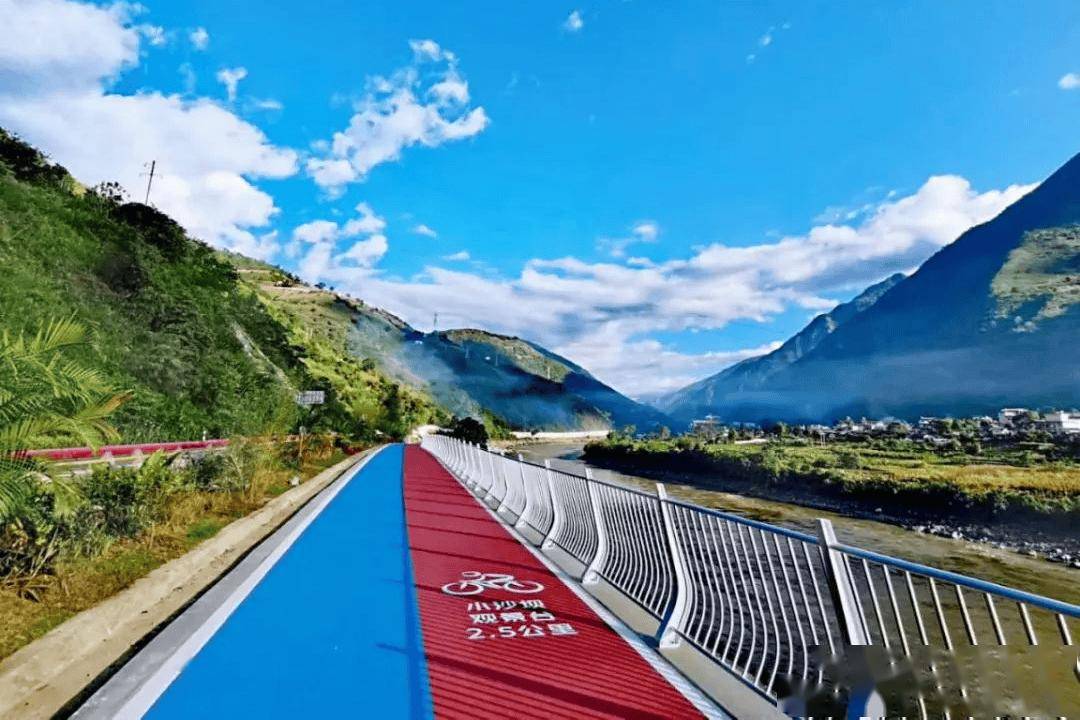
Premium aggregates such as colored ceramic aggregate are highly resistant to wear and polishing. This allows the surface to maintain its texture and appearance even under heavy traffic conditions.
Durability benefits include:
High abrasion resistance
Long-lasting color retention
UV resistance
Reduced maintenance requirements
Extended pavement service life
Intersections are among the most accident-prone locations within road networks. Colored anti-slip surfacing improves traction and alerts drivers to approaching conflict areas.
Highly visible anti-slip surfaces increase pedestrian safety by improving crossing visibility and reducing slip risks.
Colored surfacing helps separate cyclists from vehicle traffic while providing a safer riding surface.
Dedicated bus routes often use colored pavement to improve lane recognition and traffic management.
Brightly colored surfaces encourage drivers to slow down and pay closer attention in areas with high pedestrian activity.
Additional friction helps vehicles maintain control when navigating sharp bends, steep grades, and access ramps.
Colored ceramic aggregate is one of the most widely used materials for anti-slip road surfacing due to its superior performance characteristics.
Advantages include:
Excellent skid resistance
Exceptional wear resistance
Permanent color throughout the aggregate
Resistance to UV degradation
Consistent long-term performance
Because the color is integrated into the ceramic material during manufacturing, it remains vibrant even after years of traffic exposure.
Road surfaces must remain safe throughout changing environmental conditions. Colored anti-slip surfacing is designed to perform reliably under:
Heavy rainfall
High temperatures
UV exposure
Freeze-thaw cycles
Continuous traffic loading
The high-friction texture helps maintain traction even when road surfaces are wet.
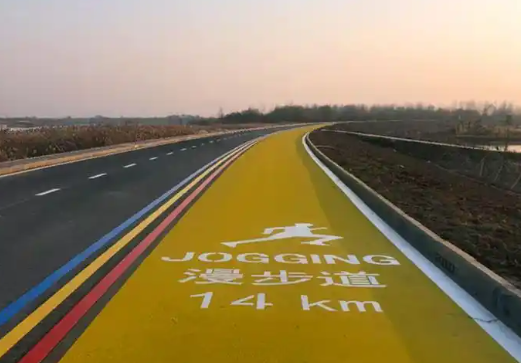
A typical installation procedure includes:
Surface inspection and preparation
Cleaning and repair of damaged pavement
Application of resin binder
Broadcasting anti-slip aggregate
Removal of excess aggregate
Final curing and quality inspection
Proper installation ensures optimal adhesion, durability, and skid resistance.
Colored anti-slip surfaces are designed for low maintenance. Recommended maintenance activities include:
Routine cleaning
Periodic safety inspections
Removal of oil and debris
Localized repairs when required
Regular maintenance helps preserve both appearance and performance.
The long service life of colored anti-slip surfacing contributes to sustainable infrastructure development. Durable materials reduce maintenance frequency, lower resource consumption, and minimize traffic disruptions associated with road repairs.
These benefits support long-term environmental and economic objectives for transportation agencies and municipalities.
Colored anti-slip surfacing for roads is an effective solution for improving road safety, enhancing visibility, and creating durable, attractive pavement systems. By combining high-friction aggregates with long-lasting colors, these surfaces help reduce accidents, improve traffic management, and support sustainable infrastructure development. Whether applied at intersections, bicycle lanes, pedestrian crossings, or bus corridors, colored anti-slip surfacing delivers reliable performance and long-term value for modern roadway projects.