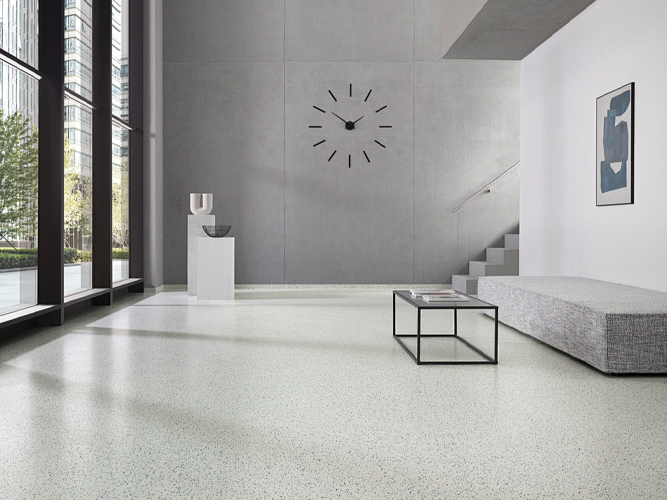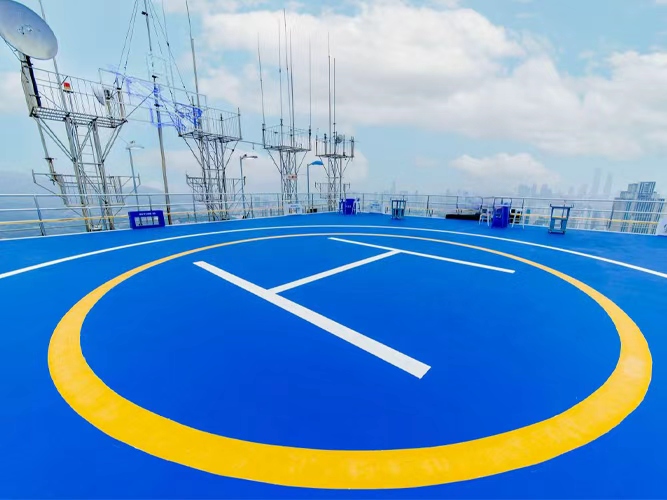
Colored Anti-Slip Pavement has become an important solution for improving road safety, increasing visibility, and enhancing urban infrastructure. It is widely applied on highways, intersections, bicycle lanes, bus lanes, pedestrian crossings, ramps, bridges, and other high-traffic areas. Proper construction is essential to ensure long-term performance, durability, and skid resistance.
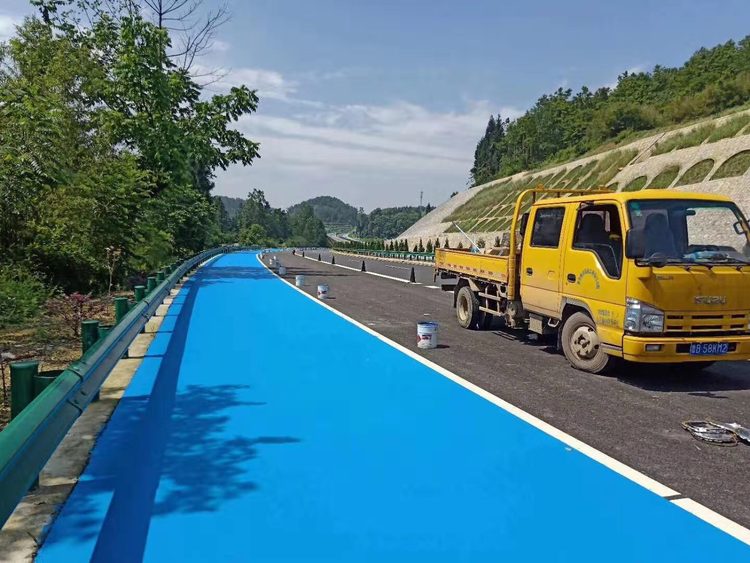
Before construction begins, the existing pavement should be thoroughly inspected. The road surface must be structurally sound, clean, dry, and free from oil, dust, loose particles, and standing water. Any cracks, potholes, or damaged sections should be repaired before the colored anti-slip system is installed.
Surface preparation may include:
Mechanical sweeping
High-pressure air cleaning
Grinding or shot blasting
Crack and pothole repair
A well-prepared surface ensures strong adhesion between the pavement and the anti-slip coating.
A suitable primer is applied to improve bonding between the existing asphalt or concrete surface and the colored anti-slip material. The primer should be evenly distributed and allowed to cure according to the manufacturer's recommendations.
Proper priming helps prevent delamination and extends the service life of the pavement system.
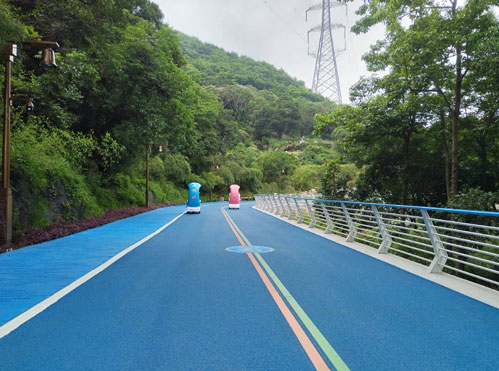
The colored binder, resin, or water-based pavement material should be mixed thoroughly before application. The mixing process must follow the specified ratio to achieve optimal strength, color consistency, and durability.
Common systems include:
Water-Based SP Colored Anti-Skid Pavement
Water-Based EAU Colored Anti-Slip Pavement
MMA Resin Colored Pavement
Colored Polymer Pavement Systems
The mixed material is evenly spread onto the prepared surface using rollers, squeegees, or specialized paving equipment. The application thickness should meet project specifications and traffic requirements.
Uniform application is critical to achieving consistent color, texture, and anti-skid performance.
High-friction aggregates such as colored ceramic particles or calcined bauxite are broadcast onto the wet binder layer. The aggregates provide excellent skid resistance and improve traction under both dry and wet conditions.
This step is particularly important for:
Sharp curves
Intersections
School zones
Bus stops
Bridge decks
Steep ramps
After aggregate placement, the pavement should be allowed to cure fully. Curing time depends on the material type, ambient temperature, and humidity.
Once cured, excess aggregate can be removed, and the finished surface should be inspected for uniformity, adhesion, and color quality.

Before opening the road to traffic, the completed pavement should undergo quality checks, including:
Surface appearance inspection
Thickness measurement
Bond strength testing
Skid resistance evaluation
Color consistency assessment
After passing inspection, the pavement can be safely opened for vehicle and pedestrian use.
Enhanced road safety and skid resistance
Improved visibility for drivers and pedestrians
Reduced braking distance in wet conditions
Long-lasting color retention
High wear resistance under heavy traffic
Low maintenance requirements
Attractive appearance for urban development
Colored Anti-Slip Pavement is an effective road surface treatment that combines safety, durability, and aesthetics. With proper construction techniques and quality materials, it provides a reliable and long-lasting solution for modern transportation infrastructure projects.
Keywords: Colored Anti-Slip Pavement, Colored Road Surfacing, High Friction Surfacing, Anti-Skid Pavement, Traffic Safety Surfacing, Colored Ceramic Aggregate Pavement, Road Surface Treatment, Skid Resistant Pavement, Colored Road Coating, Urban Road Safety.