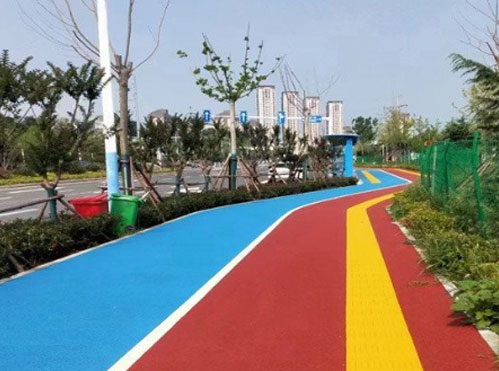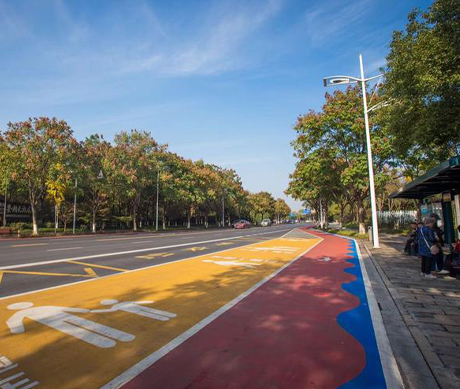
Colored pavement is an effective solution for improving the safety and visibility of pedestrian crosswalks. By applying bright, high-contrast colors to crossing areas, drivers can easily identify pedestrian zones and respond more quickly, helping to reduce accidents and improve overall traffic safety.
One of the key benefits of colored crosswalks is enhanced visibility. Whether installed near schools, commercial districts, parks, or residential communities, colored pavement makes pedestrian crossings stand out from surrounding road surfaces. This encourages drivers to slow down and pay greater attention to pedestrians.
|
|
|
Colored pavement also improves road organization by clearly defining crossing areas. Pedestrians can cross with greater confidence, while motorists gain better visual guidance, creating a safer and more efficient traffic environment.
In addition, many colored pavement systems feature anti-slip properties. High-friction aggregates provide excellent traction in wet and dry conditions, reducing the risk of slips and falls for pedestrians.
Durability is another major advantage. Modern colored pavement materials are resistant to wear, weather, and UV exposure, maintaining their appearance and performance for years with minimal maintenance.
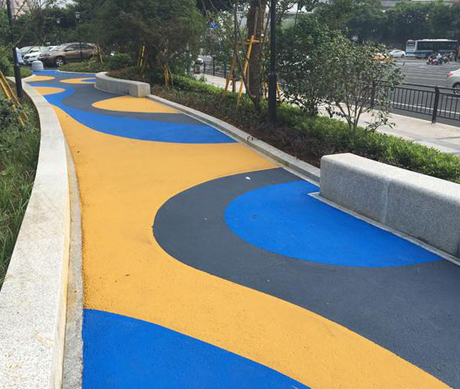
Beyond safety benefits, colored crosswalks enhance urban aesthetics by adding vibrant visual elements to streets and public spaces. As cities continue to prioritize pedestrian-friendly infrastructure, colored pavement offers a practical, durable, and attractive solution for modern crosswalk design.