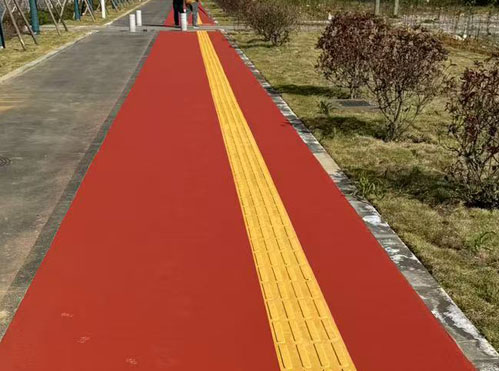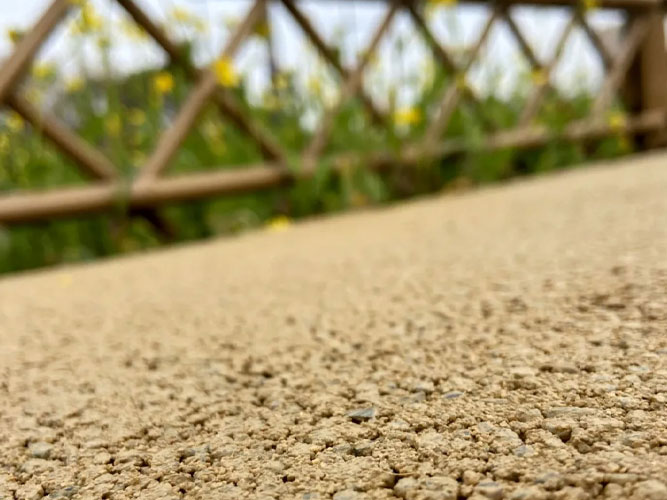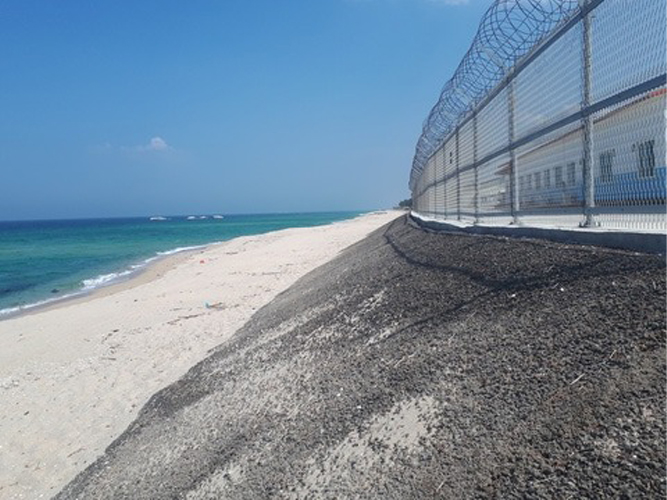
As cities around the world pursue greener, safer, and more livable urban environments, colored pavement coatings are playing an increasingly important role in sustainable infrastructure development. These innovative surfacing solutions not only improve road safety and traffic organization but also contribute to urban beautification, sustainable transportation, and long-term pavement preservation.
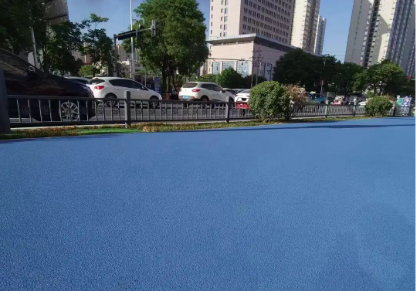
Colored pavement coatings are widely used on bicycle lanes, pedestrian crossings, bus lanes, parking areas, and public spaces. By providing clear visual guidance for different road users, they help create more organized transportation networks and encourage safer mobility throughout urban areas.
One of the most significant benefits of colored pavement coatings is their support for sustainable transportation. Clearly marked bicycle lanes and pedestrian pathways encourage residents to choose walking and cycling as alternatives to private vehicle use. By promoting active transportation, cities can reduce traffic congestion, lower carbon emissions, and improve overall public health.
Road safety is another important contribution to urban sustainability. Colored anti-skid pavement systems improve visibility and provide enhanced surface friction, helping drivers, cyclists, and pedestrians navigate roads more safely. High-friction coatings reduce the risk of skidding, particularly in wet conditions, while bright colors alert road users to potential hazards, crossings, and designated traffic zones.
Colored pavement coatings also help extend the service life of existing pavement surfaces. High-quality coating systems protect asphalt and concrete from water penetration, ultraviolet radiation, and daily wear caused by traffic. This protective layer can reduce surface deterioration and delay costly reconstruction projects, resulting in lower maintenance costs and more efficient use of public resources.
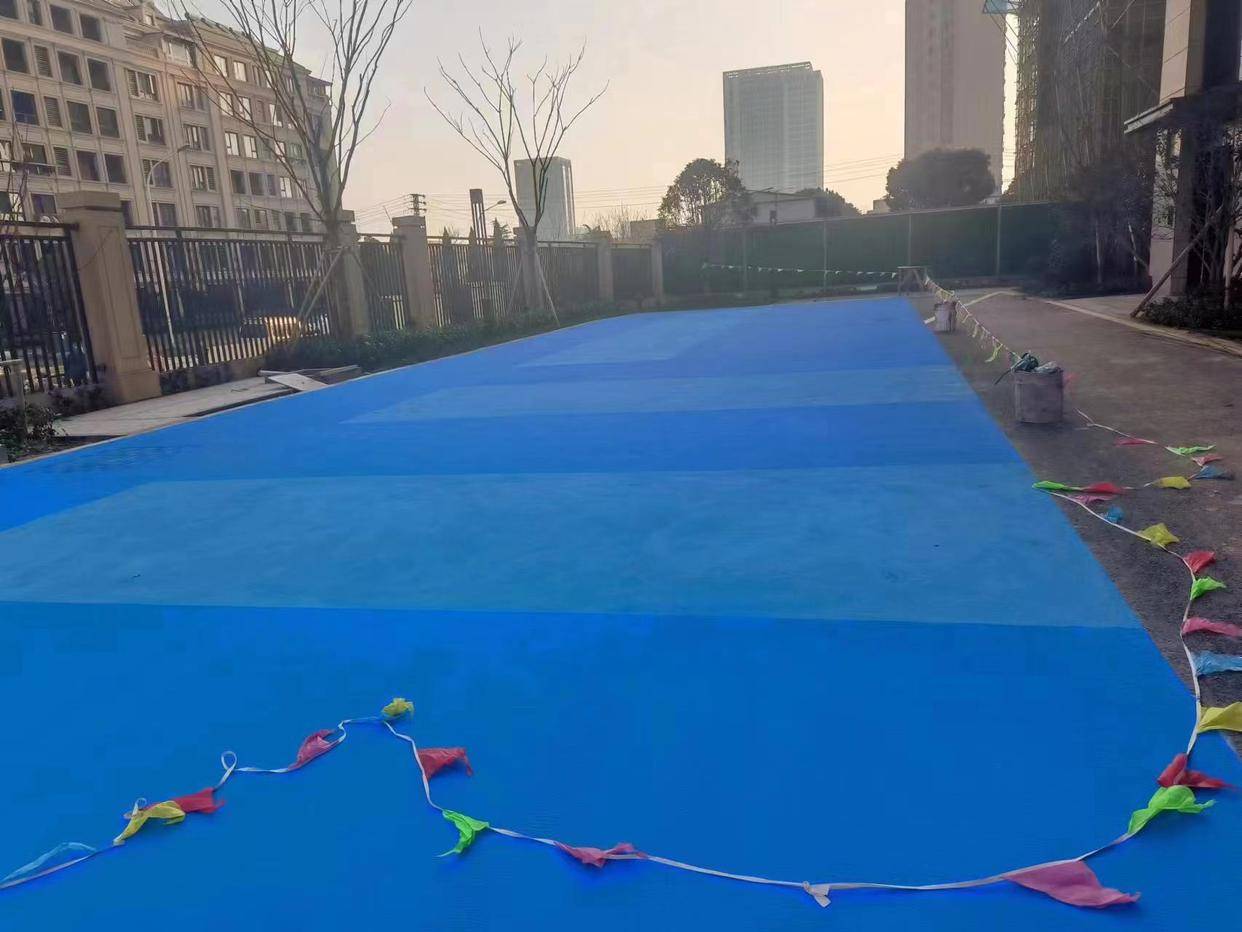
Modern coating technologies are designed for durability and long-term performance. Materials such as MMA (Methyl Methacrylate), polyurethane, epoxy, and colored micro-surfacing systems offer excellent resistance to weathering, abrasion, and heavy traffic. Their long service life reduces the frequency of repairs and recoating, minimizing material consumption and construction-related disruptions.
In addition to their functional benefits, colored pavement coatings enhance the visual appeal of urban spaces. Vibrant bicycle lanes, decorative pedestrian zones, and color-coded transportation corridors create attractive streetscapes that improve community identity and the overall urban experience. Well-designed public spaces encourage outdoor activity and contribute to more vibrant, people-centered cities.
Colored coatings can also support smart traffic management strategies. Different colors can be used to distinguish transportation modes, identify priority zones, and guide traffic flow more effectively. This improved organization helps reduce conflicts between vehicles, cyclists, and pedestrians while increasing the efficiency of urban transportation systems.
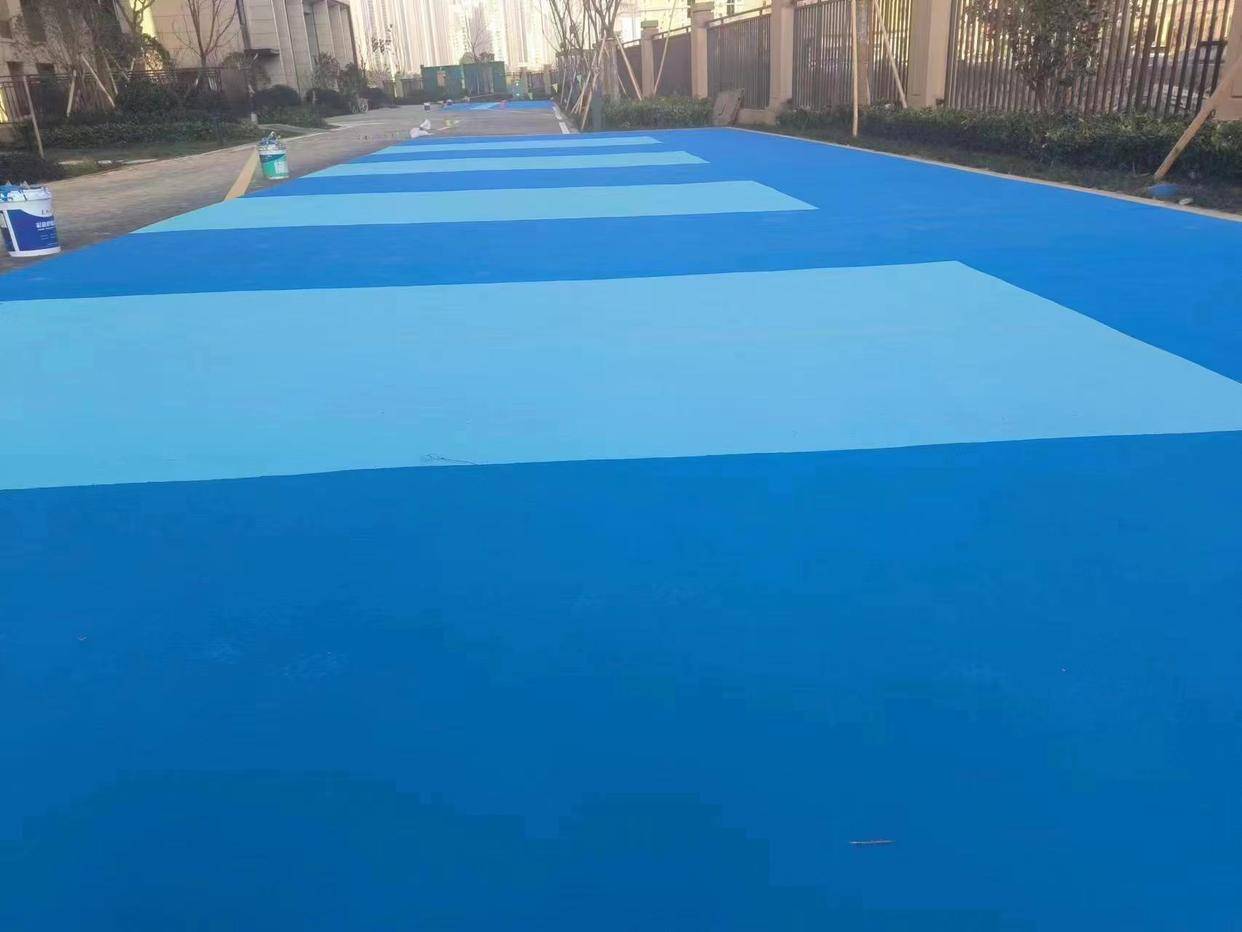
As municipalities continue to invest in sustainable infrastructure, colored pavement coatings offer a practical and cost-effective solution for achieving multiple goals simultaneously. By enhancing safety, encouraging sustainable mobility, protecting pavement assets, and improving urban aesthetics, these advanced coating systems are helping shape the future of modern sustainable cities.
With growing emphasis on environmental responsibility and urban quality of life, colored pavement coatings are becoming an essential component of city planning and transportation development, creating safer, greener, and more attractive communities for future generations.