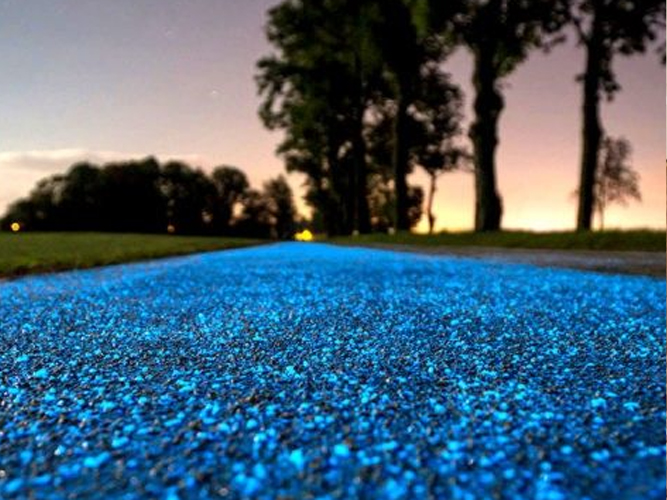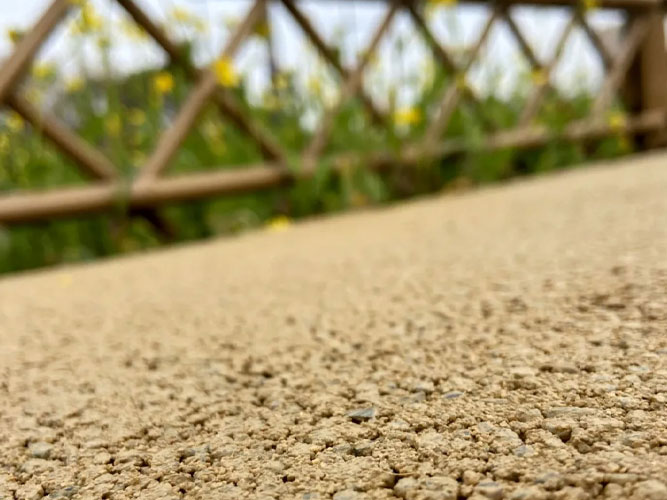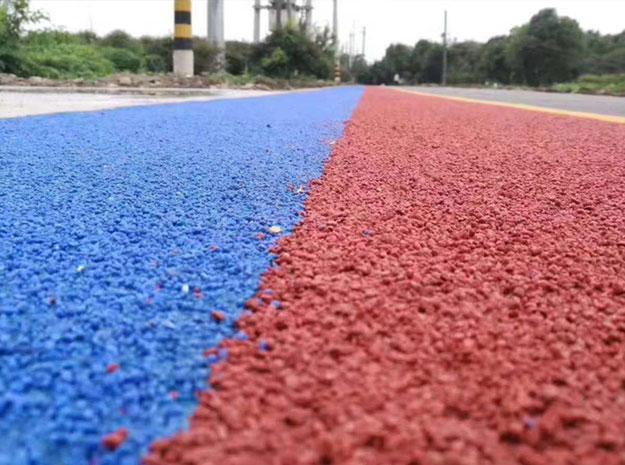
Sustainable construction practices are becoming a global priority as cities and industries look for ways to reduce environmental impact while maintaining high-performance infrastructure. In this context, water-based colored pavement systems have emerged as an important solution for modern road surfacing, combining durability, safety, and environmental responsibility.
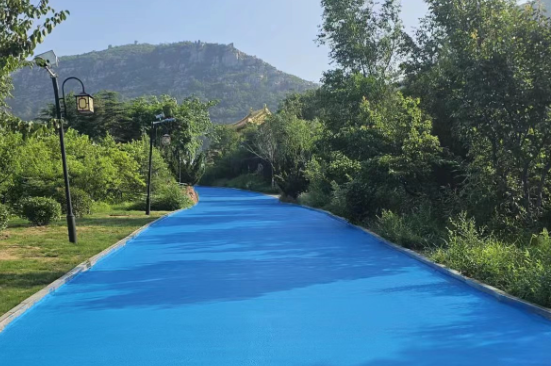
Water-based colored pavement systems use water as the primary carrier instead of solvent-based chemicals. This significantly reduces volatile organic compound (VOC) emissions during production and installation, making the system safer for workers and more environmentally friendly for surrounding areas. As a result, these systems are increasingly used in urban development projects, public infrastructure, and green building initiatives.
One of the key advantages of water-based colored pavement is its ability to provide reliable surface performance without compromising sustainability. The system forms a strong bonded layer over asphalt or concrete surfaces, delivering good adhesion and long-term stability. It can withstand regular traffic loads while maintaining its structural integrity under different weather conditions.
In addition to environmental benefits, water-based systems also provide effective anti-skid performance. The inclusion of specially graded aggregates creates a textured surface that improves tire grip and reduces slipping risks. This makes them suitable for pedestrian walkways, bicycle lanes, parking areas, residential roads, and low-to-medium traffic industrial zones.
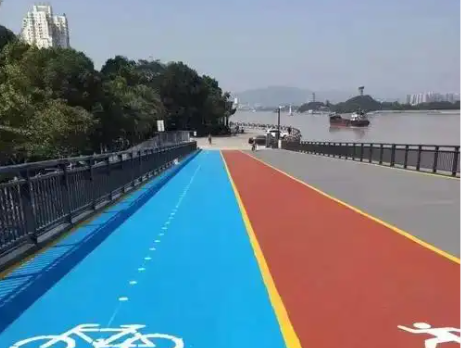
Color functionality plays an important role in modern sustainable design. Water-based colored pavement allows for clear visual separation of traffic areas, improving safety and organization. Different colors can be used to define walking paths, cycling routes, vehicle lanes, loading zones, and recreational spaces. This visual clarity supports better traffic management and enhances user experience in public spaces.
Another important benefit is fast and flexible application. Water-based systems can often be applied directly onto existing pavement surfaces with minimal preparation. This reduces construction time, limits disruption to traffic, and supports efficient project completion, especially in urban environments where downtime must be minimized.
From a maintenance perspective, water-based colored pavements are designed for easy upkeep. While they may not be intended for extreme heavy-load environments, they offer sufficient durability for many municipal and commercial applications. Periodic maintenance or reapplication can extend service life and maintain both color brightness and skid resistance.
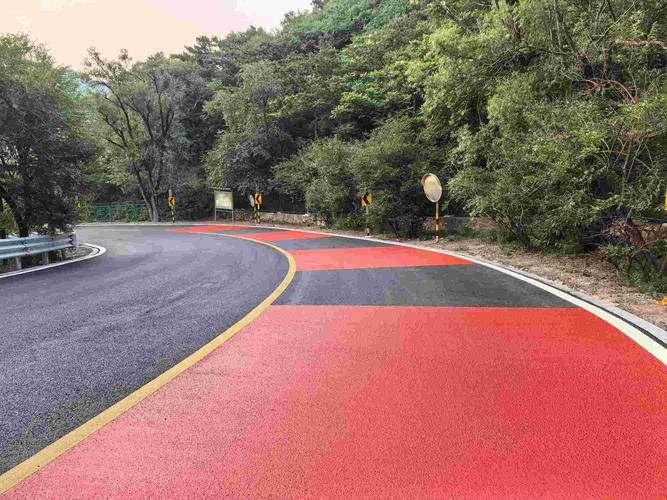
Sustainability is also reflected in the lifecycle advantages of these systems. By reducing harmful emissions during installation and supporting long-term surface performance, water-based colored pavement helps lower the overall environmental footprint of infrastructure projects. This aligns with global trends toward green cities and eco-friendly construction standards.
As demand for environmentally responsible infrastructure continues to grow, water-based colored pavement systems are becoming an essential option in modern construction planning. They offer a balanced combination of safety, visual enhancement, and sustainability, making them a practical choice for cities and developers aiming to build cleaner, safer, and more efficient urban environments.