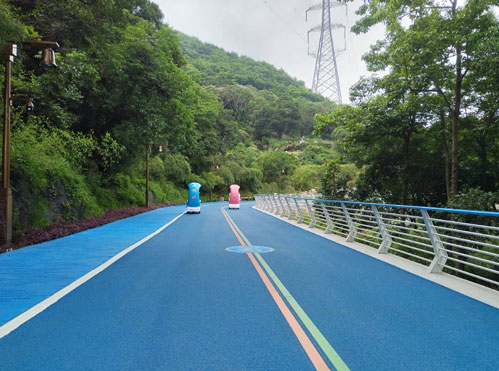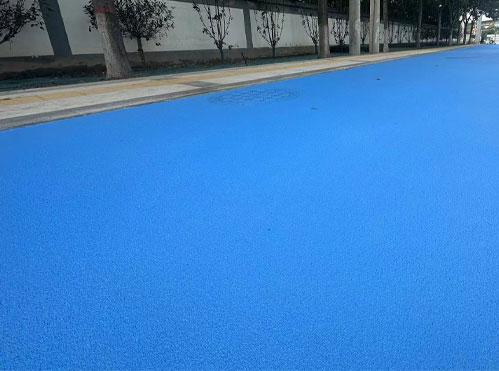
With the rapid development of urban transportation systems, cities are looking for effective solutions to improve traffic efficiency, public safety, and sustainable mobility. Colored pavement for bus lanes and transit corridors has become an increasingly popular technology for creating dedicated transportation spaces, improving road recognition, and supporting modern urban infrastructure development.
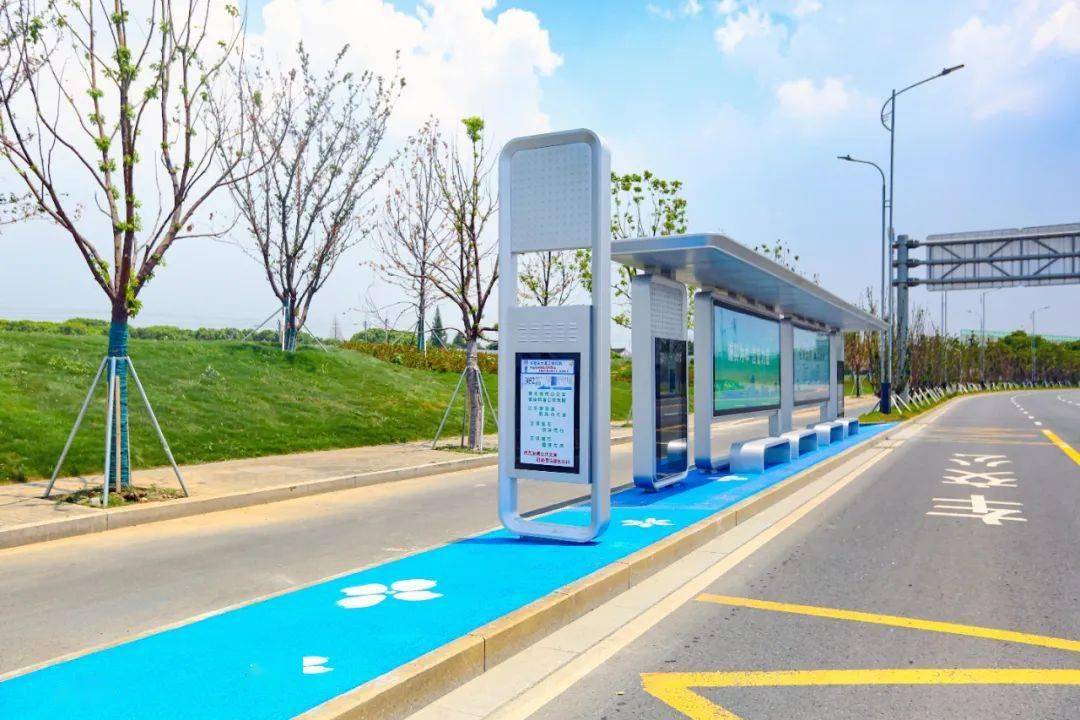
Dedicated bus lanes require clear identification to ensure that buses can move efficiently without interference from general traffic. Colored pavement provides a highly visible surface treatment that clearly separates bus-only lanes from other road areas. By using distinctive colors such as red, blue, or green, transportation authorities can help drivers quickly recognize restricted lanes, reduce unauthorized vehicle use, and improve overall traffic organization.
One of the main advantages of colored pavement in transit corridors is enhanced safety. High-performance colored anti-skid pavement systems provide excellent friction and skid resistance, helping buses maintain stable operation during braking, acceleration, and turning. This is especially important in areas with frequent vehicle movement, bus stops, intersections, and locations exposed to wet weather conditions.
Modern colored pavement technologies are designed to withstand heavy traffic loads and demanding urban environments. Advanced resin binders and durable aggregates create a strong surface with excellent adhesion, wear resistance, and weather durability. These characteristics make colored pavement suitable for high-frequency bus routes, public transportation hubs, and major urban corridors.
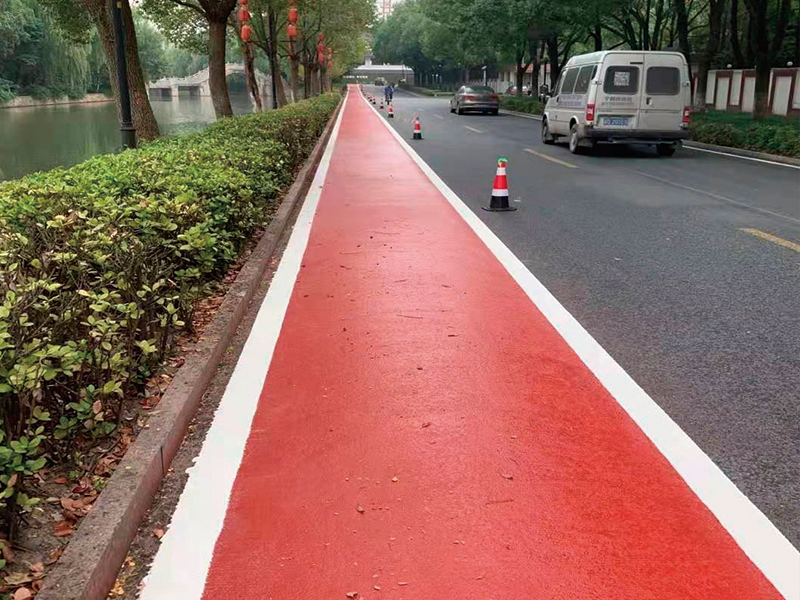
In addition to improving safety, colored pavement contributes to better urban design and sustainable transportation planning. Clearly marked transit corridors encourage the use of public transportation by creating a more organized and user-friendly road environment. Combined with bicycle lanes, pedestrian pathways, and smart traffic management systems, colored pavement helps cities develop more efficient and environmentally friendly transportation networks.
Environmental performance is also an important consideration in modern transit infrastructure. Many colored pavement systems use water-based technologies with low emissions and reduced environmental impact. These sustainable solutions support green city initiatives while providing long-lasting performance for outdoor applications.
Colored pavement can be customized according to different project requirements, including color selection, surface texture, thickness, and performance characteristics. It can be applied to bus lanes, BRT (Bus Rapid Transit) corridors, transit stations, loading zones, and other high-traffic public transportation areas.
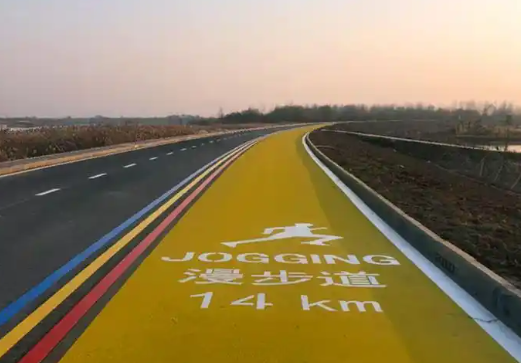
For municipalities, transportation agencies, and road construction contractors, choosing the right colored pavement system is essential for achieving long-term results. A reliable solution should provide strong skid resistance, excellent durability, easy maintenance, and clear visual identification.
As cities continue to prioritize sustainable mobility and smart transportation development, colored pavement for bus lanes and transit corridors will play an important role in creating safer, more efficient, and better-connected urban environments.