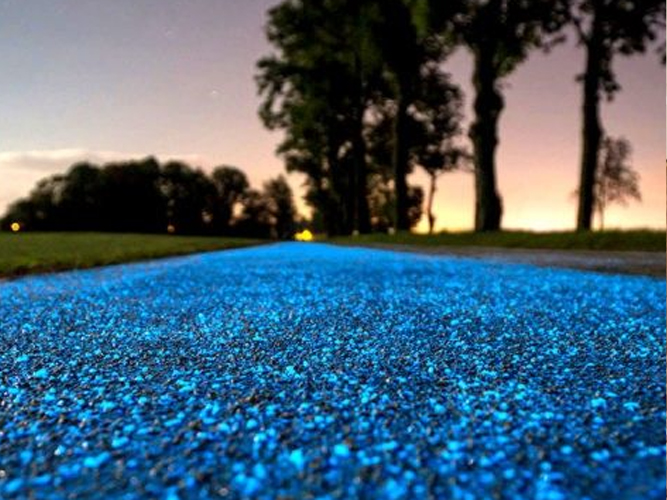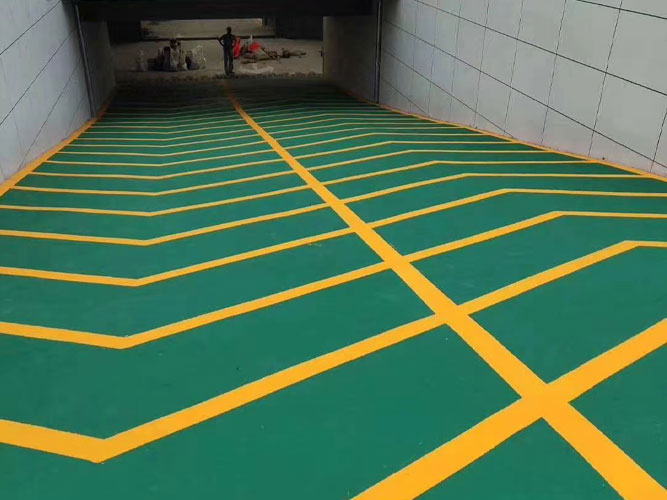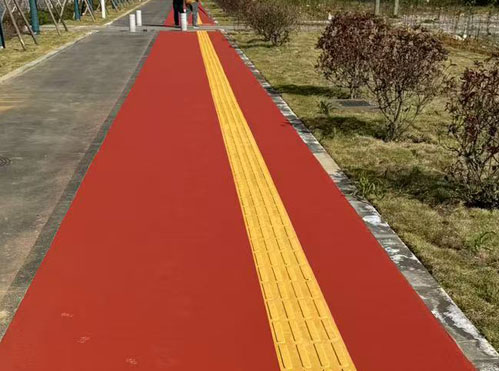
Colored Asphalt Pavement Systems are advanced pavement solutions designed to improve road safety, enhance traffic guidance, and create visually appealing urban environments. By combining durable asphalt surfaces with specially formulated color materials, these systems provide both functional performance and aesthetic benefits for modern transportation infrastructure.
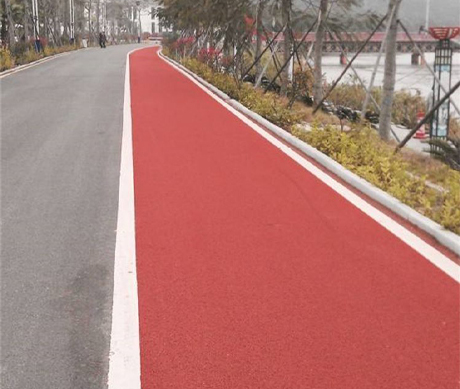
With the increasing demand for safer roads, smart cities, and sustainable urban development, colored asphalt pavement has become widely used in bicycle lanes, pedestrian areas, public roads, parking facilities, and landscape projects. The combination of high visibility, durability, and easy maintenance makes colored asphalt an effective choice for various infrastructure applications.
One of the main advantages of Colored Asphalt Pavement Systems is their ability to improve traffic organization through color identification. Different colors can be used to separate traffic zones, highlight safety areas, and guide drivers and pedestrians.
Common applications include:
Red bicycle lanes and safety zones
Green cycling paths and shared lanes
Blue accessibility areas
Yellow warning sections
Colored pedestrian pathways
By creating clear visual signals, colored pavement helps improve road awareness and reduces potential conflicts between different road users.
Colored Asphalt Pavement Systems are designed to withstand challenging outdoor conditions, including heavy traffic loads, UV exposure, rainfall, and temperature changes.
Key performance advantages include:
Strong adhesion with asphalt surfaces
Excellent wear resistance
Long-lasting color stability
Good weather resistance
Reliable surface performance
Reduced maintenance requirements
These features make colored asphalt suitable for both new construction projects and existing road improvement programs.
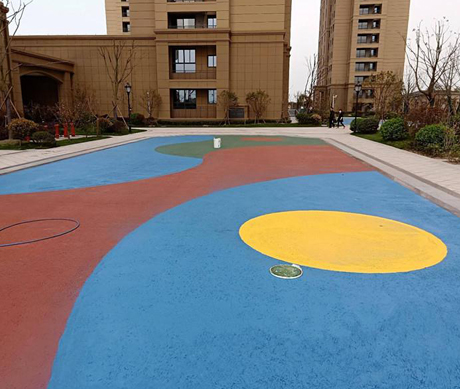
Safety is a critical requirement for modern pavement systems. Colored asphalt surfaces can be combined with anti-slip aggregates and high-friction materials to improve tire grip and pedestrian safety.
High-friction colored asphalt is especially suitable for:
Road intersections
Bicycle lanes
School zones
Bus lanes
Parking areas
Pedestrian crossings
Urban traffic calming zones
The textured surface improves traction and helps maintain safer movement during wet or high-traffic conditions.
Colored Asphalt Pavement Systems support modern city planning by improving existing road functions without requiring major reconstruction. They can help extend pavement service life, optimize traffic management, and create more environmentally friendly transportation spaces.
The use of targeted colored pavement applications allows cities to upgrade safety and appearance efficiently while reducing unnecessary construction resources.
Colored asphalt systems can be applied to different pavement environments, including asphalt roads, concrete surfaces, and renovated urban areas. The installation process is suitable for a variety of infrastructure projects.
Typical construction steps include:
Surface preparation and cleaning
Application of bonding materials if required
Installation of colored asphalt materials
Surface leveling and finishing
Curing and quality inspection
The flexible design options allow engineers and designers to select suitable colors, textures, and patterns according to project requirements.
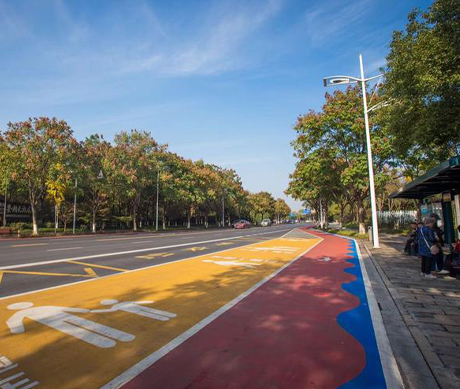
Colored Asphalt Pavement Solutions are widely used in:
Urban road renewal projects
Bicycle lane infrastructure
Pedestrian streets
Parks and scenic areas
Residential communities
School and hospital zones
Parking facilities
Smart city transportation systems
Colored Asphalt Pavement Systems provide a practical combination of safety, durability, and visual improvement. By enhancing road recognition, increasing surface performance, and supporting better traffic management, colored pavement technology plays an important role in the development of safer and smarter urban environments.
For contractors, municipalities, and infrastructure developers, colored asphalt pavement systems offer a reliable solution for creating durable, attractive, and high-performance transportation spaces.