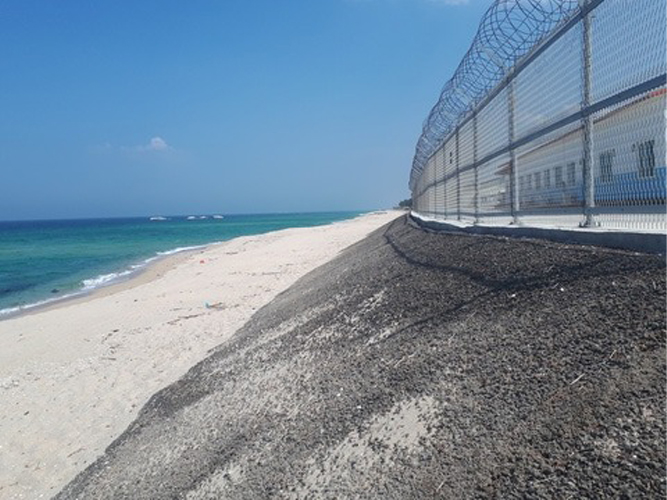
With the continuous development of urban transportation and infrastructure, road safety has become an important factor in pavement design and maintenance. Road surfaces with insufficient friction can increase the risk of vehicle skidding, especially during rainy weather, high-speed driving, and heavy traffic conditions. Road anti-slip coatings provide an effective solution by improving surface friction, enhancing pavement performance, and extending the service life of existing roads.
Choosing the right anti-slip coating system is essential to ensure long-term performance and safety. Different application environments require different coating materials, structures, and performance characteristics.
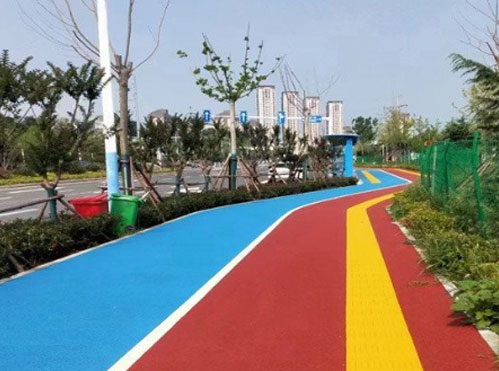
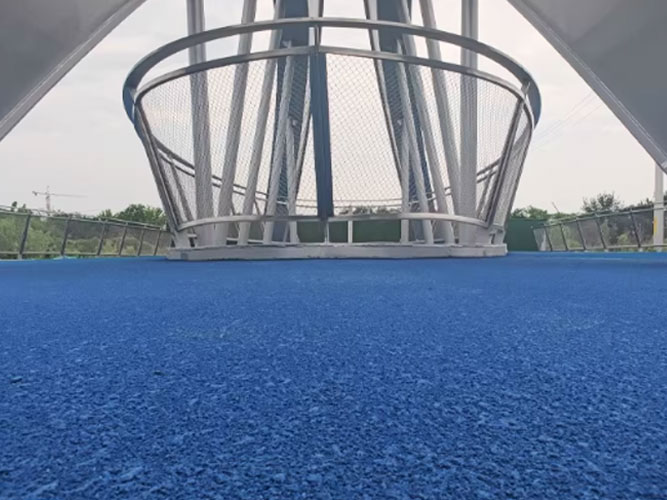
The application location is one of the most important factors when selecting an anti-slip coating. For highways, bridge decks, ramps, and heavy traffic areas, coatings with high wear resistance, strong adhesion, and excellent skid resistance are required. For bicycle lanes, sidewalks, parks, and landscape roads, both safety performance and decorative appearance should be considered.
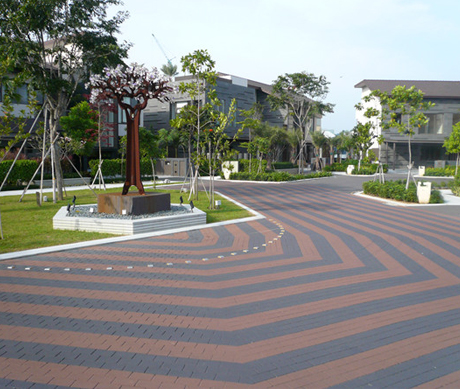
Parking lots, residential roads, and commercial areas often require coatings that combine anti-slip performance with attractive colors and easy maintenance. Customized colors can help divide traffic zones and improve road visibility.
Before applying anti-slip coatings, the existing pavement condition should be evaluated. Asphalt, concrete, and other surfaces may require different preparation methods and coating systems. The surface should have sufficient strength, cleanliness, and stability to ensure proper bonding between the coating and the pavement.
For old roads with surface aging, cracks, or reduced friction, anti-slip coatings can provide a cost-effective renovation method by restoring surface performance without complete reconstruction.
High-quality road anti-slip coatings should provide:
Excellent skid resistance and high friction performance
Strong adhesion to asphalt and concrete surfaces
Good wear resistance under traffic loads
UV resistance and weather durability
Water resistance and environmental stability
Long service life and easy maintenance
Selecting a coating system that matches the project requirements can significantly improve road safety and reduce future maintenance costs.
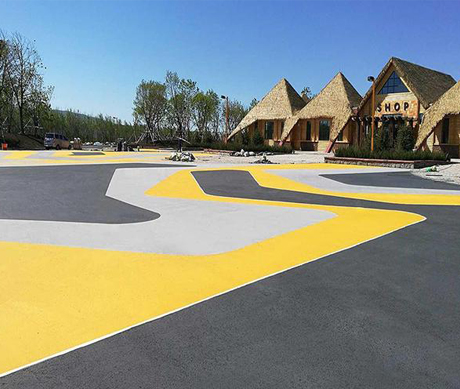
The construction quality directly affects the performance and durability of anti-slip coating systems. A professional installation process usually includes several key steps.
The pavement surface must be cleaned before construction. Dust, oil stains, loose particles, and other contaminants should be removed to ensure strong adhesion. For damaged areas, repair and leveling should be completed before coating application.
Depending on the pavement type and coating system, a suitable primer may be applied to improve bonding strength between the existing surface and the anti-slip coating layer. The primer should be evenly distributed and allowed to cure properly.
The coating material should be mixed according to the manufacturer's requirements. Aggregates, pigments, and additives must be evenly dispersed to achieve consistent performance and appearance.
The mixed material is then applied using professional tools such as rollers, spray equipment, or scraping methods. The coating thickness should be controlled according to project requirements to ensure optimal friction and durability.
After application, anti-slip aggregates may be added to increase surface roughness and friction performance. The coating must be allowed sufficient curing time before opening the area to traffic. During the curing period, the surface should be protected from rain, dust, and external damage.
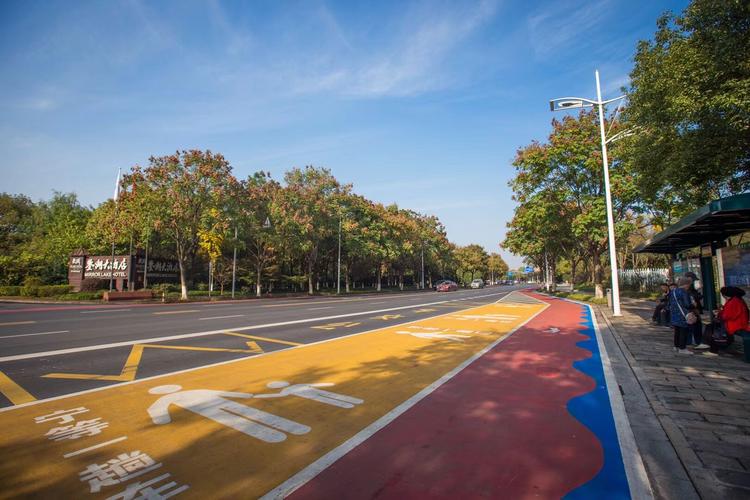
The selection and construction technology of road anti-slip coating play a crucial role in achieving safe and durable pavement performance. By selecting suitable materials according to application conditions and following professional construction procedures, anti-slip coating systems can significantly improve road friction, visibility, and service life.
As urban roads, highways, and public spaces continue to develop, advanced anti-slip coating solutions will remain an important technology for creating safer, more efficient, and more sustainable transportation environments.