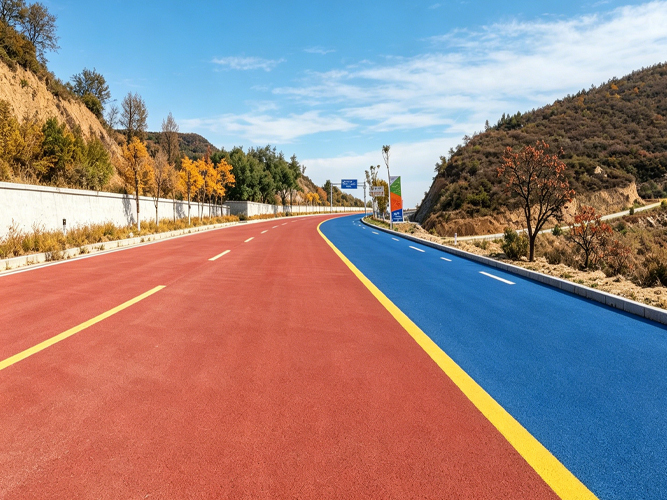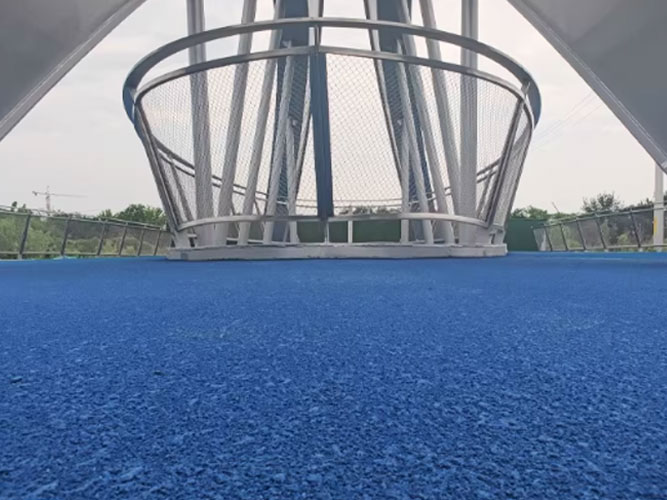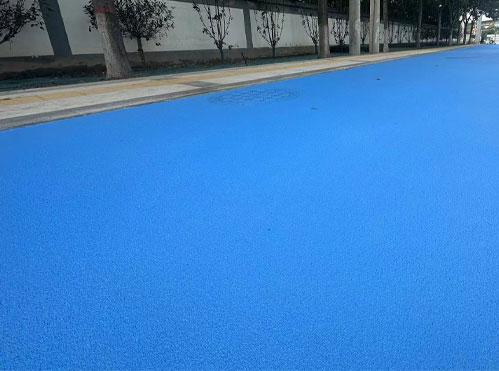
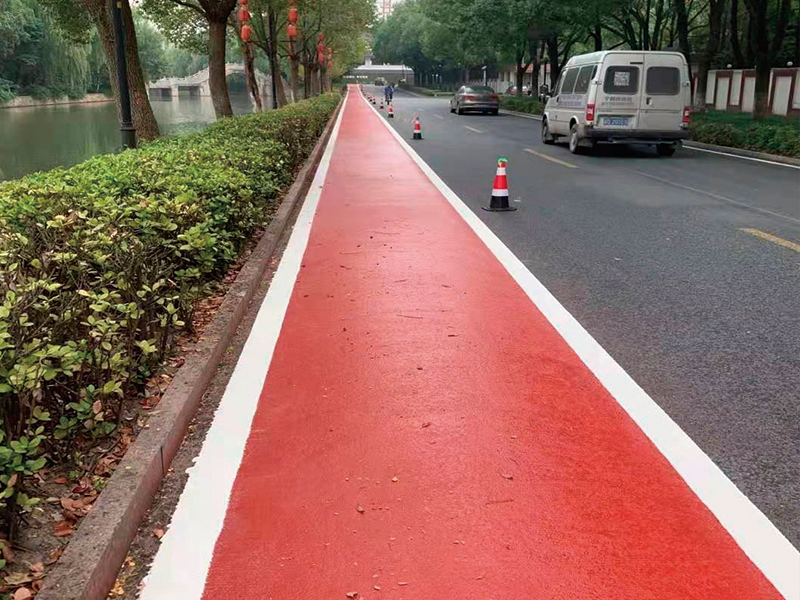
Colored asphalt coatings are widely used in modern urban infrastructure to improve road safety, enhance traffic organization, and create visually distinctive transportation zones. By combining pigments, resin binders, and high-performance aggregates, these coatings transform conventional asphalt into functional, high-visibility, and anti-slip surfaces suitable for a variety of road environments.
Today, colored asphalt coating systems are an essential part of smart city development, sustainable transportation planning, and urban road safety engineering.
Colored asphalt coating is a surface treatment applied onto asphalt or concrete pavement to create a durable, colored, and often high-friction layer. Unlike traditional road paint, these coatings are engineered for long-term wear resistance and heavy traffic performance.
Common systems include:
MMA resin colored coatings
Waterborne SP colored asphalt coatings
High-friction anti-skid coatings
Colored micro surfacing systems
Polymer-modified pavement coatings
These materials provide both functional safety performance and aesthetic enhancement.
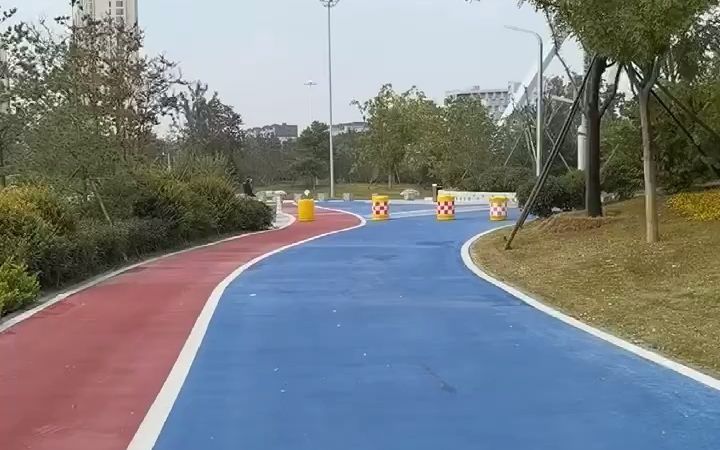
One of the most common uses of colored asphalt coatings is in bicycle lane infrastructure. Cities use color-coded bike lanes to improve visibility and reduce conflicts between cyclists and motor vehicles.
Typical benefits include:
Strong visual separation from vehicle lanes
Improved cyclist safety in intersections
Clear guidance in urban traffic networks
Enhanced nighttime visibility with reflective aggregates
Green is the most commonly used color for bike lanes, although red and blue systems are also used depending on regional standards.
Colored asphalt coatings are widely used in pedestrian areas to improve safety and visibility. Anti-slip formulations help reduce accidents caused by wet or slippery surfaces.
Applications include:
Crosswalks at intersections
School zones and campus areas
Transit stations and bus stops
Urban sidewalks and promenades
Public squares and pedestrian streets
These coatings increase driver awareness and improve pedestrian protection in high-footfall areas.
Colored asphalt coatings are frequently used to mark dedicated bus lanes and transit corridors. These applications help improve traffic efficiency and reduce lane misuse.
Key advantages include:
Clear lane separation for public transport
Reduced traffic congestion in mixed-use roads
Improved priority signaling for buses
Enhanced urban mobility efficiency
Red-colored coatings are commonly used for bus rapid transit (BRT) systems in many cities.
Intersections, ramps, and sharp curves are high-risk areas where vehicle accidents are more likely. Colored asphalt coatings with high-friction properties are used to enhance safety in these zones.
Benefits include:
Improved braking performance
Reduced skid risk during turning movements
Better visibility of hazard zones
Increased driver reaction awareness
High-friction colored surfacing is especially effective in wet or low-visibility conditions.
Colored asphalt coatings are also widely used in parking infrastructure and commercial developments. They help organize traffic flow while improving aesthetics and safety.
Common uses include:
Parking space marking and zoning
Directional driving lanes
Pedestrian walkways within parking areas
Commercial plaza surfacing
Shopping mall access roads
These coatings help create more structured and visually appealing environments.
In industrial facilities and logistics centers, colored asphalt coatings are used to improve safety and operational efficiency.
Applications include:
Forklift lanes
Loading and unloading zones
Hazard warning areas
Warehouse access roads
Equipment movement pathways
Color coding helps reduce operational risks and improve workflow organization.
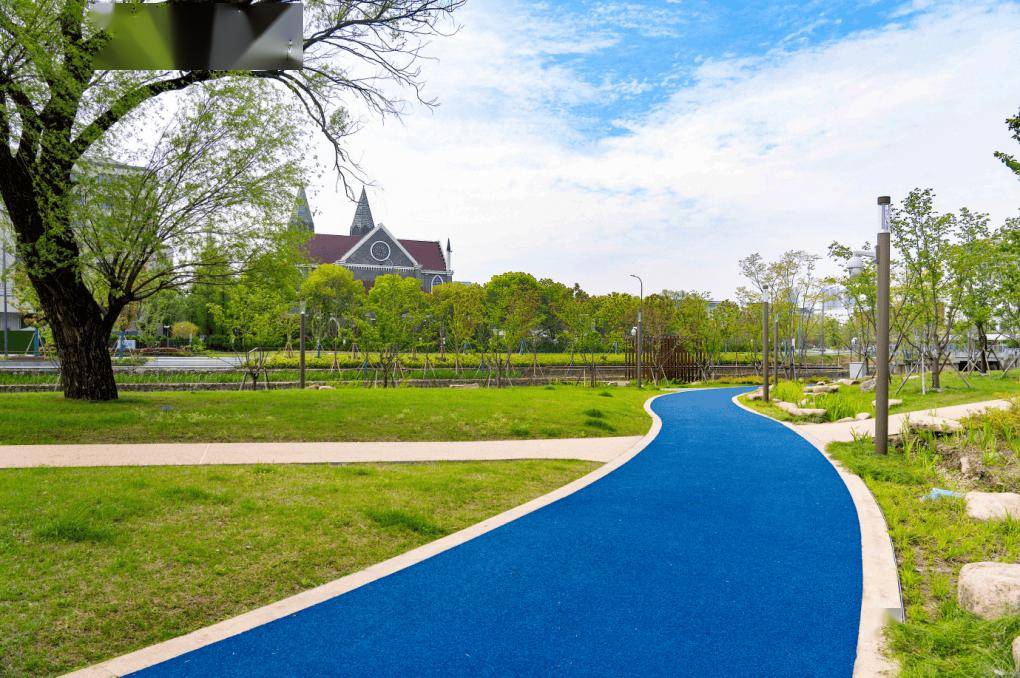
Colored asphalt coatings are also used in parks, recreational areas, and tourism zones where aesthetics and functionality must be balanced.
Examples include:
Park walking trails
Waterfront promenades
Sports and cycling tracks
Cultural and tourism districts
Public plazas and event spaces
These coatings enhance visual appeal while maintaining safe walking and cycling conditions.
Modern colored asphalt coatings use advanced materials designed for durability and long service life.
Key technologies include:
MMA resin systems for fast curing and high strength
Waterborne SP systems for eco-friendly applications
High-friction aggregate coatings for skid resistance
Polymer-modified micro surfacing for maintenance projects
These systems ensure resistance to UV exposure, heavy traffic, and weathering.
Colored asphalt coatings contribute to sustainable urban development by supporting safer and more efficient transportation systems.
Environmental benefits include:
Low VOC emissions in water-based systems
Reduced maintenance frequency
Longer pavement lifecycle
Support for non-motorized transport (cycling and walking)
These factors align with modern green city initiatives.
As urban infrastructure evolves, colored asphalt coating technology continues to advance. Future trends include:
Improved wear-resistant pigments
Longer-lasting color stability
Smart reflective coating systems
Enhanced eco-friendly formulations
Integration with intelligent traffic systems
Colored asphalt coatings are becoming a key element in modern urban road design, combining safety, durability, and visual communication to support the next generation of transportation infrastructure.