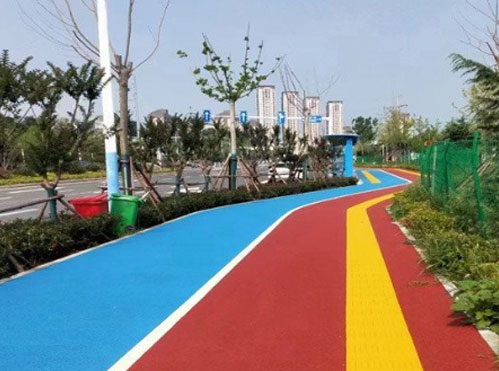
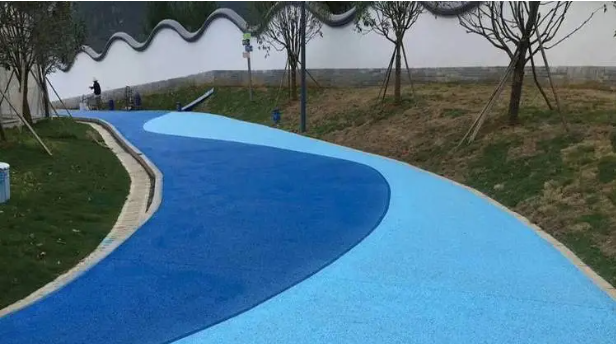
Water-based SP colored pavement systems are advanced surface treatment solutions designed for urban roads, bicycle lanes, pedestrian areas, and traffic safety zones. “SP” typically refers to slurry-type polymer-modified systems that combine water-based binders with mineral fillers and pigments to create a durable, anti-skid, and visually distinctive pavement layer.
These systems are widely used in smart city projects due to their environmental friendliness, fast construction, and strong functional performance.
A water-based SP colored pavement system is a thin-layer surfacing technology composed of:
Water-based polymer emulsions (acrylic or modified resin systems)
Colored pigments for traffic identification
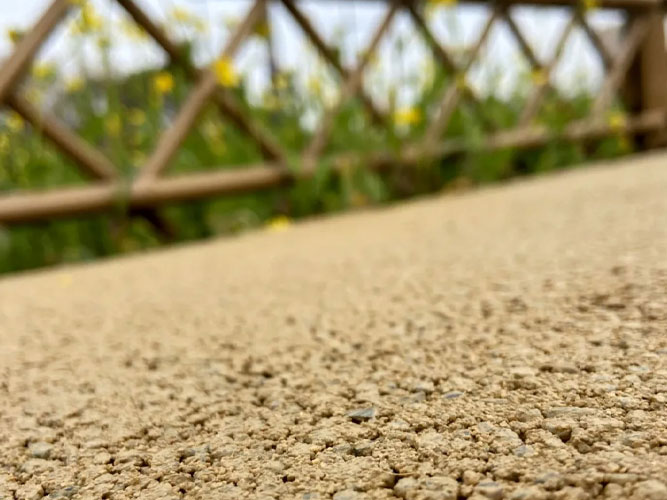
Fine aggregates for texture and strength
Mineral fillers for stability
Additives for curing and adhesion
Once applied, the mixture forms a continuous colored surface layer that bonds tightly with asphalt or concrete substrates.
One of the most important advantages is its low environmental impact. Since the system uses water as the dispersion medium, it significantly reduces VOC (volatile organic compound) emissions.
Environmental benefits include:
Low odor during installation
Reduced air pollution
Safer working conditions
Compliance with green construction standards
This makes it ideal for urban and residential applications.
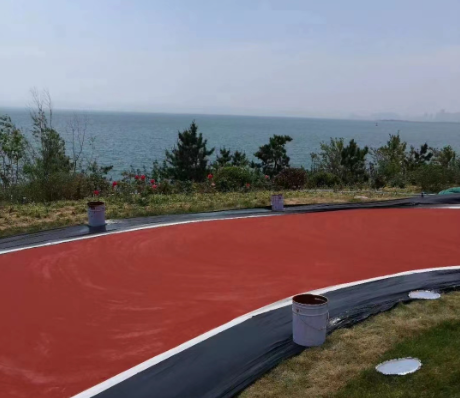
The bright colored surface improves road visibility and helps clearly define different traffic zones. This reduces confusion and improves driver and cyclist awareness.
Common applications include:
Bicycle lanes
Bus priority lanes
Crosswalks
School zones
Pedestrian streets
Color differentiation improves traffic organization and reduces accident risks in busy urban environments.
SP colored pavement systems are designed with textured aggregates that improve surface friction. This helps prevent slipping and enhances vehicle stability, especially in wet conditions.
Performance advantages:
Improved braking safety
Reduced skidding risk
Better cyclist traction
Enhanced pedestrian safety
This makes it suitable for high-frequency traffic areas.
Compared to full pavement reconstruction, water-based SP systems provide a more economical solution for surface upgrading and traffic reorganization.
Cost benefits include:
Lower material usage
Faster application process
Reduced labor requirements
Minimal traffic disruption
This makes it a practical choice for municipal maintenance projects.
Water-based SP coatings can be applied quickly and allow for relatively short curing times depending on weather conditions. This reduces road closure time and improves construction efficiency.
Maintenance advantages:
Easy surface renewal
Simple repair process
Long service life with periodic re-coating
Low long-term maintenance cost
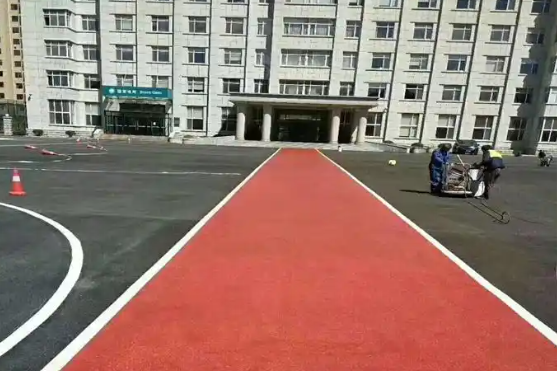
Modern SP systems are engineered to bond effectively with existing asphalt or concrete surfaces. They resist common pavement issues such as peeling and cracking.
They also provide resistance to:
UV exposure
Rain and moisture
Temperature variation
Light to medium traffic wear
This ensures stable performance in urban environments.
Water-based SP colored pavement systems are commonly used in:
Urban bicycle lanes
Pedestrian walkways
Residential streets
Parking areas
Campus roads
Park pathways
Commercial plazas
They are especially useful in areas requiring both functional marking and aesthetic improvement.
These systems align well with modern urban planning trends by supporting:
Clear traffic zoning
Safer non-motorized transport routes
Improved urban aesthetics
Sustainable infrastructure development
They help cities build more organized and human-centered transportation networks.
Water-based SP colored pavement systems provide an effective combination of environmental sustainability, safety enhancement, and cost efficiency. With strong anti-skid properties, good durability, and high visual impact, they are widely used in modern urban infrastructure projects.
As cities continue to focus on green construction and smart transportation systems, SP colored pavement technology will remain an important solution for safer and more sustainable road environments.