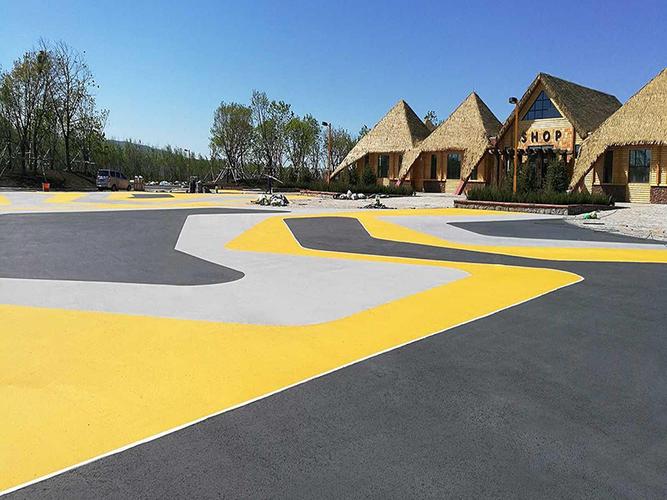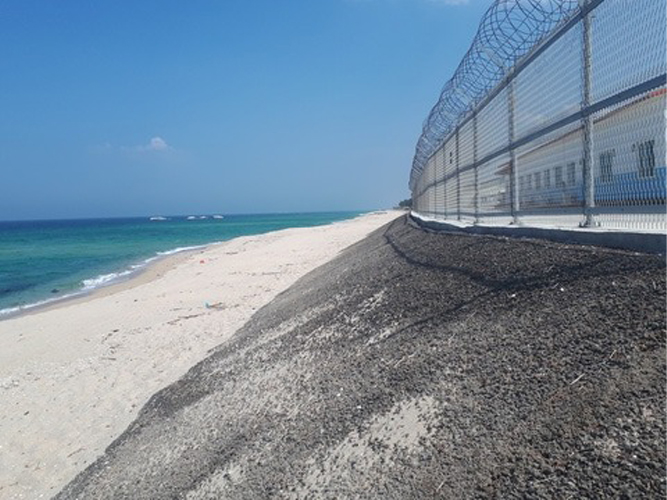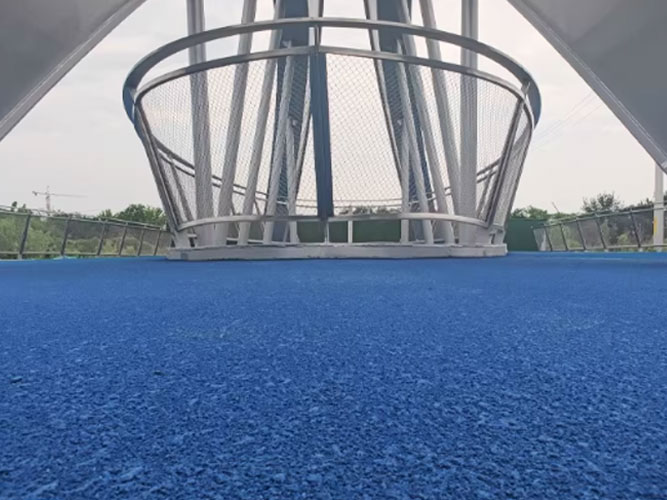
Colored pavement is no longer just a decorative option—it has become a functional infrastructure solution used in modern cities for safety, traffic organization, and urban design. Whether you are a contractor, municipal planner, or project developer, choosing the right system requires understanding materials, performance levels, cost, and long-term maintenance.
This buyer’s guide breaks down everything you need to know before purchasing or specifying colored pavement.
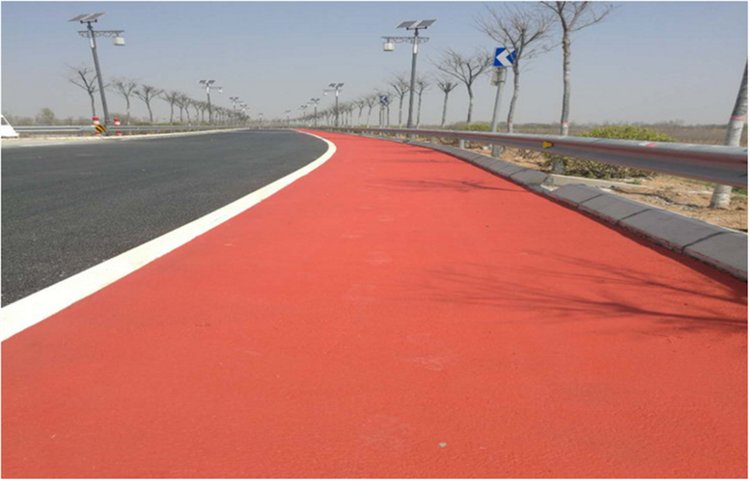
Colored pavement refers to any road or surface system where color is integrated into or applied onto asphalt or concrete to serve functional or aesthetic purposes.
It is commonly used for:
Bicycle lanes
Pedestrian crossings
Bus lanes
School zones
Parking areas
Parks and public spaces
Unlike traditional gray pavement, colored systems help visually organize transportation spaces.
Pigments or colored binders are mixed into asphalt or applied as overlays.
Best for:
Roads
Bike lanes
Large-scale urban projects
Pros:
Good durability
Integrated color option
Suitable for heavy traffic
High-performance systems using synthetic resins.
Best for:
Urban intersections
Bus lanes
High-visibility safety zones
Pros:
Fast curing
High skid resistance
Strong color retention
Thin-layer coatings applied over existing pavement.
Best for:
Parking lots
Renovation projects
Budget-sensitive upgrades
Pros:
Low cost
Easy application
Quick installation
Combines color with anti-slip aggregates.
Best for:
Curves
Ramps
Accident-prone areas
Pros:
Excellent safety performance
Strong braking grip
Long service life
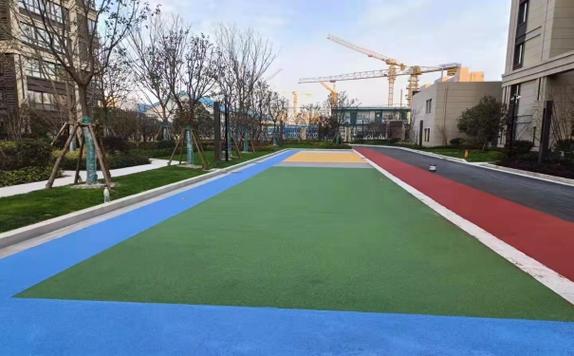
When selecting a colored pavement system, evaluate the following:
Durability
Heavy traffic requires resin or asphalt-based systems, while light pedestrian use can rely on coatings.
Skid Resistance
Critical for bike lanes and intersections. Aggregate-enhanced systems provide the best performance.
Color Stability
UV resistance is essential for long-term vibrancy. MMA and polyurethane systems perform best.
Installation Speed
MMA is fastest, asphalt is moderate, and concrete-based systems are slower.
Prices vary depending on material type and project scale:
Coating systems: low cost
Colored asphalt: medium cost
Epoxy/PU systems: medium to high cost
MMA systems: high cost (premium performance)
High-friction surfacing: high cost (safety-critical use)
Premium systems cost more initially but often reduce long-term maintenance and repainting expenses.
High-value applications:
City bike networks
Smart city corridors
Airport and transit zones
Safety-critical areas:
Intersections
School zones
Pedestrian crossings
Ramps and curves
Aesthetic projects:
Parks
Tourism roads
Commercial districts
Campuses
Choosing based only on price
Ignoring skid resistance requirements
Skipping surface preparation
Using coatings for heavy traffic roads
Not considering UV stability
These mistakes often lead to early failure or high maintenance costs.
Simple decision guide:
Need durability and traffic load → Colored asphalt or MMA system
Need fast installation → MMA or coating system
Need maximum safety → High-friction colored surfacing
Need low budget upgrade → Acrylic coating
Need urban design and comfort → PU or epoxy systems
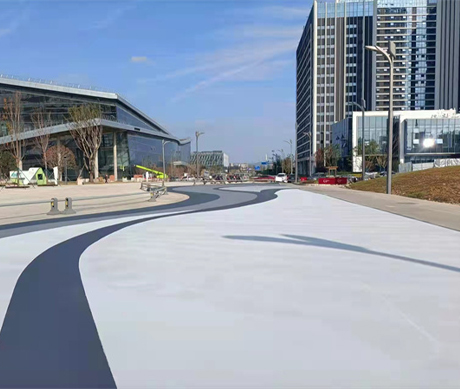
Proper maintenance improves lifespan significantly:
Regular cleaning of debris
Oil stain removal
Periodic inspection in high-traffic zones
Recoating for thin-layer systems when fading occurs
Resin-based systems require less maintenance than painted solutions.
Colored pavement is a strategic infrastructure investment rather than just a surface treatment. The right system depends on traffic conditions, safety needs, budget, and expected lifespan.
For buyers, the key is balancing performance and cost. Coatings work well for light-duty upgrades, colored asphalt suits large road networks, and resin or high-friction systems are best for high-performance safety zones. With proper selection, colored pavement delivers long-term safety, lower maintenance, and improved urban environments.