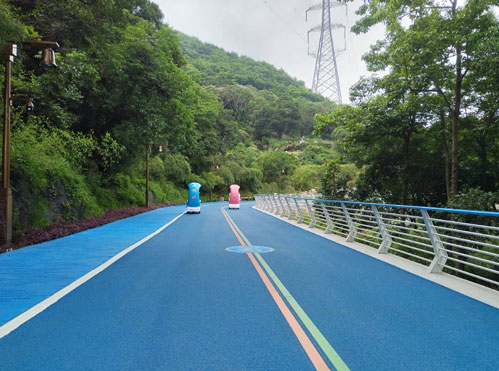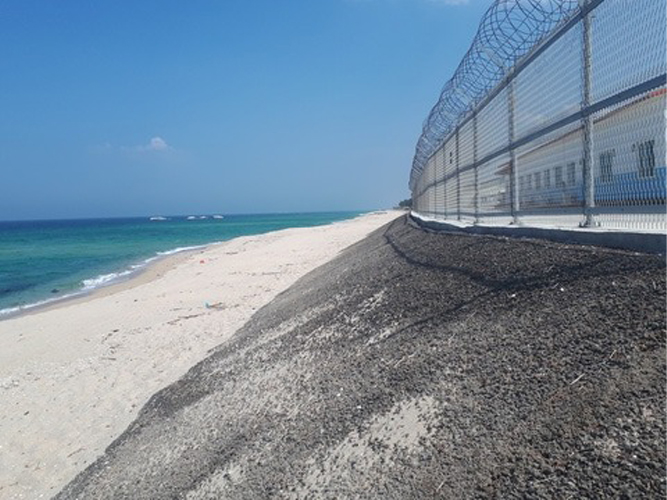
As cities seek innovative ways to improve transportation infrastructure, colored pavement has emerged as a solution that delivers both functional and visual benefits. More than just a decorative surface treatment, colored pavement enhances road safety, improves traffic organization, and creates more attractive urban environments. From busy intersections and bicycle lanes to pedestrian crossings and public spaces, colored pavement is helping cities build roads that are both safer and more visually appealing.
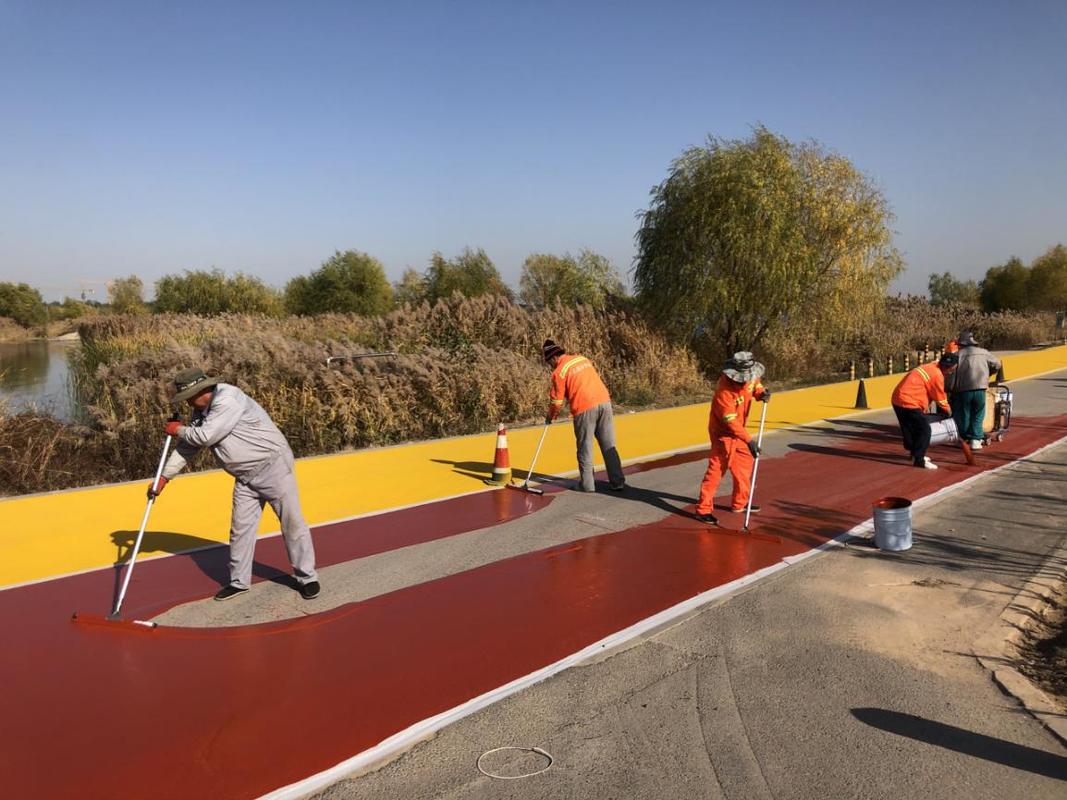
Modern transportation networks must serve a variety of road users, including drivers, cyclists, pedestrians, and public transit vehicles. Traditional asphalt surfaces often provide limited visual guidance, making it difficult to distinguish between different traffic zones. Colored pavement solves this challenge by creating highly visible surfaces that clearly communicate road functions and improve user awareness.
As a result, colored pavement is increasingly used in urban development, road safety projects, and sustainable transportation initiatives.
Safety is one of the most important advantages of colored pavement. High-visibility surfaces help drivers recognize critical traffic areas more quickly and respond appropriately.
Key safety benefits include:
Enhanced driver awareness
Improved pedestrian visibility
Better bicycle lane recognition
Reduced traffic conflicts
Increased attention at intersections
Improved guidance in complex road environments
Many colored pavement systems also incorporate anti-slip aggregates that provide superior skid resistance, helping improve vehicle control during wet or challenging weather conditions.
Colored pavement helps separate different transportation zones, making streets easier to navigate and safer for all users.
Common applications include:
Bicycle lanes
Pedestrian crossings
Bus priority lanes
School zones
Traffic-calming areas
Recreational pathways
The use of color creates immediate visual recognition and reduces confusion among road users, contributing to smoother traffic flow and improved safety.
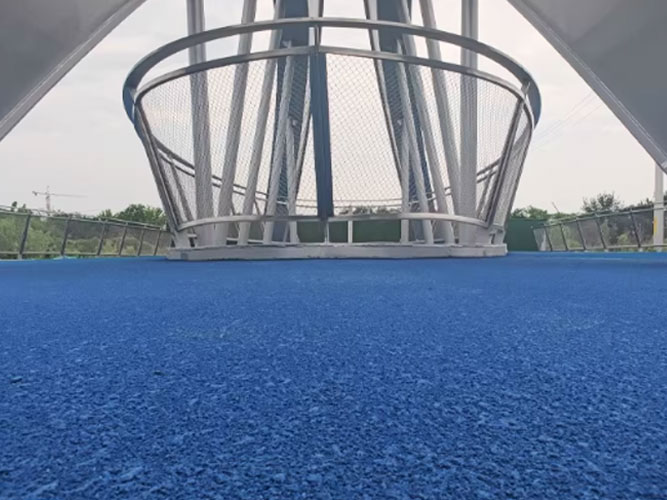
In addition to its safety benefits, colored pavement contributes to the visual quality of urban environments. Vibrant colors can transform ordinary roads and public spaces into attractive, modern landscapes.
Aesthetic advantages include:
Improved streetscape design
Stronger community identity
Enhanced public spaces
Better integration with urban architecture
Increased appeal for residents and visitors
Colorful pavement helps create welcoming environments while supporting city branding and urban renewal efforts.
Cities worldwide are promoting walking, cycling, and public transit as part of sustainable mobility strategies. Colored pavement helps support these goals by creating dedicated, highly visible routes for non-motorized transportation.
Benefits include:
Encouraging cycling and walking
Improving accessibility
Enhancing public transit infrastructure
Reducing vehicle-pedestrian conflicts
Supporting smart city development
Well-designed colored pavement systems make sustainable transportation safer and more attractive to users.
Several innovative technologies provide durable and high-performance colored pavement surfaces.
An environmentally friendly solution featuring excellent color retention, strong adhesion, and reliable skid resistance.
Designed for high-traffic areas where safety, durability, and long-term performance are critical.
A rapid-curing system that minimizes traffic disruption while delivering exceptional wear resistance and vibrant colors.
A cost-effective pavement preservation technology that extends pavement life while enhancing appearance and surface performance.
Provides outstanding friction performance and durability, making it ideal for intersections, ramps, and high-risk traffic locations.
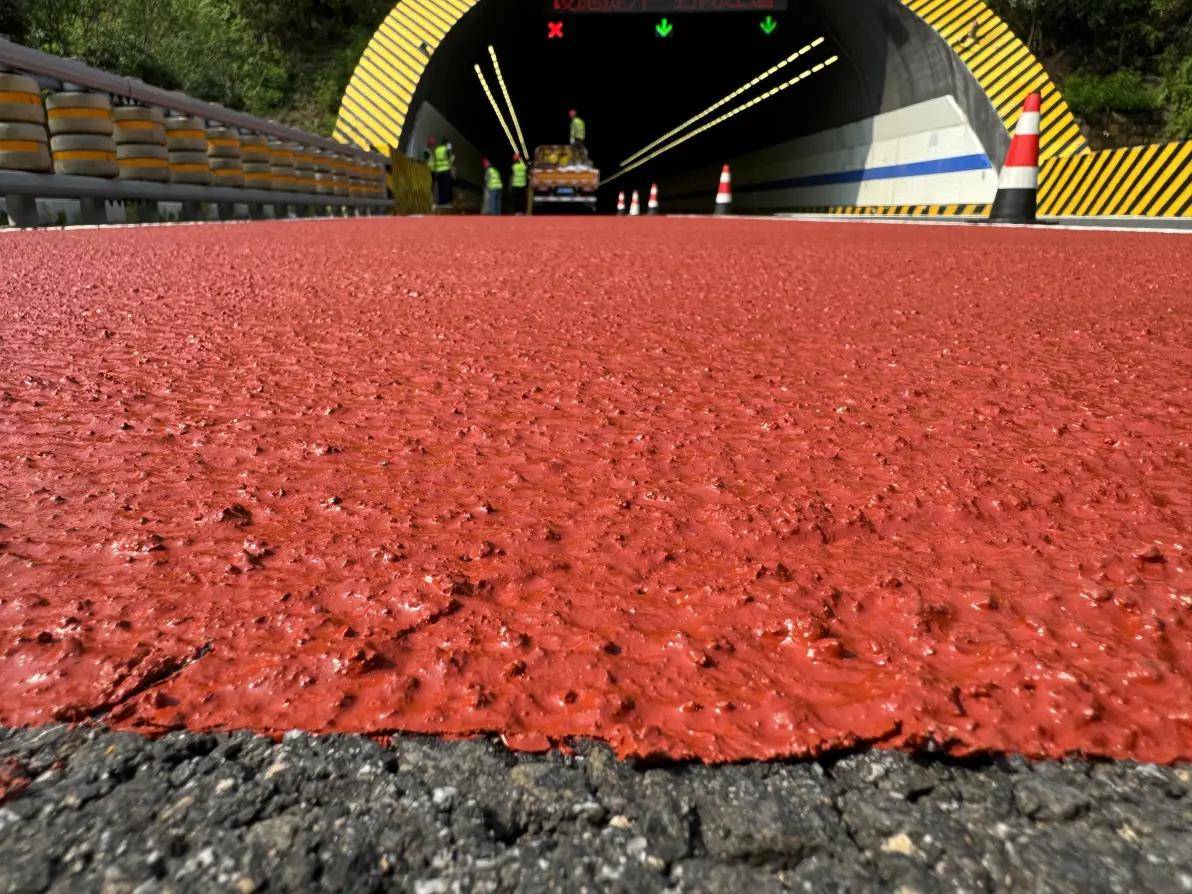
As urban populations continue to grow, transportation infrastructure must balance safety, efficiency, and aesthetics. Colored pavement offers a practical solution that addresses all three objectives. By combining high visibility, durable performance, and appealing design, colored pavement is becoming a key component of modern road construction and urban planning.
Colored pavement delivers a powerful dual advantage: safer streets and more attractive roads. By improving visibility, enhancing traffic organization, increasing skid resistance, and creating visually engaging public spaces, colored pavement supports the development of smarter and more sustainable cities. Technologies such as Water-Based EAU Colored Anti-Slip Pavement, Water-Based SP Colored Anti-Skid Pavement System, MMA Colored Pavement, Color Emulsified Micro-Surfacing, and Ceramic Particle Anti-Slip Pavement continue to play a vital role in shaping the future of urban transportation infrastructure.