As cities continue to adopt smart mobility solutions, road safety and sustainable transportation infrastructure have become increasingly important. From bicycle lanes and pedestrian zones to bus rapid transit corridors and intelligent traffic systems, modern transportation networks require road surfaces that are both safe and durable. Road anti-skid materials play a critical role in achieving these goals.

Road anti-skid materials are high-friction surfacing systems designed to improve traction between vehicle tires and pavement surfaces. By increasing skid resistance, these materials help reduce braking distances and minimize the risk of accidents, particularly in areas where safety is a priority. Common applications include intersections, roundabouts, steep ramps, bridges, pedestrian crossings, school zones, bicycle lanes, and public transportation corridors.
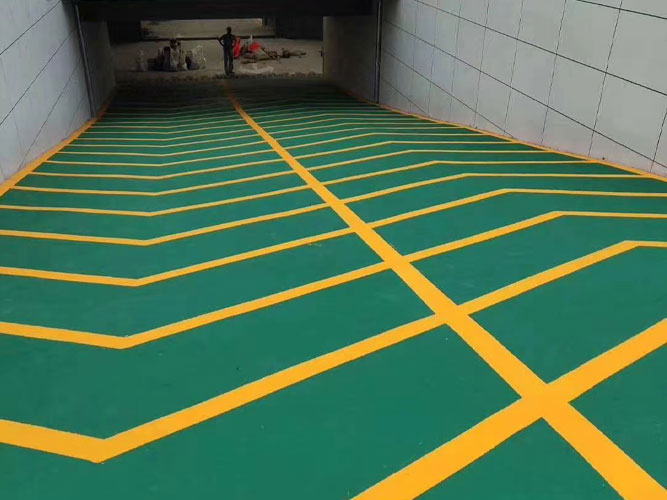
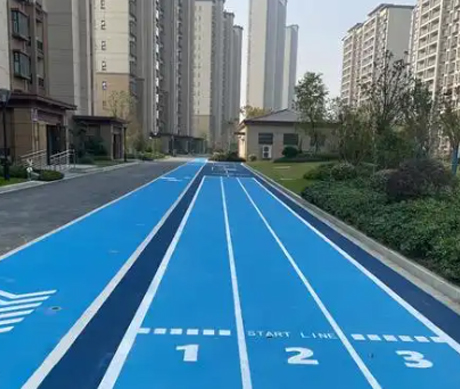
One of the key advantages of anti-skid pavement systems is their ability to enhance visibility. Colored anti-skid surfaces can be used to clearly define traffic zones, bicycle routes, pedestrian pathways, and bus lanes. The use of bright colors helps drivers, cyclists, and pedestrians quickly recognize designated areas, improving traffic organization and reducing conflicts between different road users.

For smart mobility infrastructure, durability is equally important. High-quality anti-skid materials are engineered to withstand heavy traffic loads, harsh weather conditions, ultraviolet exposure, and daily wear. Advanced resin binders combined with high-friction aggregates create a long-lasting surface that maintains both traction and color performance over time. This reduces maintenance requirements and lowers lifecycle costs for municipalities and infrastructure operators.
Environmental considerations are also driving the adoption of modern anti-skid technologies. Water-based and low-VOC pavement systems support sustainable construction practices while delivering excellent performance. Many cities are incorporating these environmentally friendly solutions into urban renewal projects and smart transportation initiatives.
As urban populations continue to grow, transportation infrastructure must become safer, more efficient, and more sustainable. Road anti-skid materials provide an effective solution by improving road safety, increasing visibility, enhancing traffic guidance, and supporting long-term infrastructure performance.
For governments, contractors, and transportation planners, high-friction anti-skid pavement systems are becoming an essential component of smart mobility infrastructure, helping create safer and more connected cities for the future.