Sustainable Road Anti-Skid Materials for Eco-Friendly Construction
Sustainable road construction is becoming a global priority as cities aim to reduce carbon emissions, improve safety, and extend infrastructure lifespan. One of the most important innovations in this field is the use of sustainable road anti-skid materials, which combine high performance with environmental responsibility.

Unlike traditional surfacing methods that rely heavily on high-energy asphalt production and frequent maintenance, modern eco-friendly anti-skid materials are designed to reduce resource consumption while improving road safety. These materials are engineered to provide strong friction, better drainage, and long-term durability, helping to prevent accidents in both dry and wet conditions.
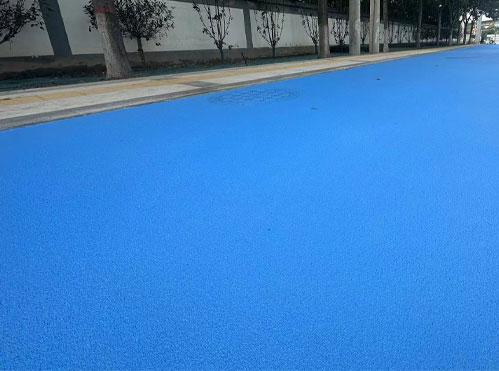
One widely used solution is water-based anti-skid coatings. These systems use low-VOC (volatile organic compounds) binders, which significantly reduce air pollution during application. Because they are waterborne, they also minimize the use of harmful solvents, making them safer for workers and surrounding environments. Despite their eco-friendly composition, they still deliver excellent skid resistance and color stability for traffic zones, bicycle lanes, and pedestrian walkways.
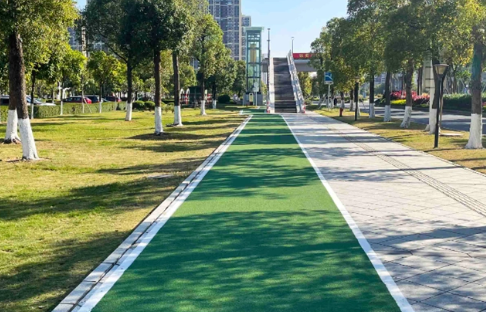
Another advanced option is ceramic aggregate surfacing. This material is produced by sintering natural minerals at high temperatures, resulting in extremely hard and wear-resistant particles. When applied to road surfaces, ceramic aggregates create a high-friction texture that improves grip under braking and cornering. Their long service life also reduces the need for frequent resurfacing, lowering overall material consumption and maintenance emissions.
Recycled materials are also playing a growing role in sustainable anti-skid road systems. Reclaimed asphalt pavement (RAP), crushed glass, and industrial by-products can be incorporated into surface layers to reduce landfill waste and decrease reliance on virgin raw materials. These recycled components, when properly engineered, maintain strong mechanical performance while supporting circular economy goals.
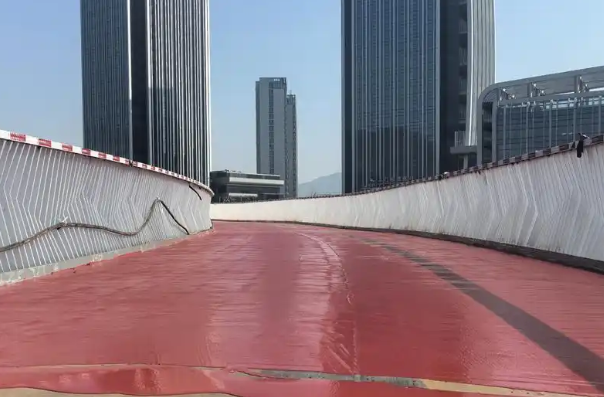
Polymer-modified micro-surfacing is another eco-efficient technology. It uses a thin layer application, which means less material usage compared to full-depth reconstruction. This not only saves resources but also reduces traffic disruption during construction. The addition of polymers enhances flexibility, crack resistance, and skid performance, making it suitable for urban roads and high-traffic corridors.
From an environmental perspective, sustainable anti-skid materials also contribute to urban heat reduction. Light-colored or reflective surface technologies can lower surface temperatures, reducing the heat island effect in densely built environments. This improves comfort for pedestrians and reduces energy demand in surrounding buildings.
In conclusion, sustainable road anti-skid materials represent a critical step toward greener infrastructure development. By combining safety, durability, and environmental efficiency, these advanced materials help cities build roads that are not only safer for users but also more responsible toward the planet. As technology continues to evolve, eco-friendly pavement systems will play an increasingly important role in shaping the future of transportation infrastructure.