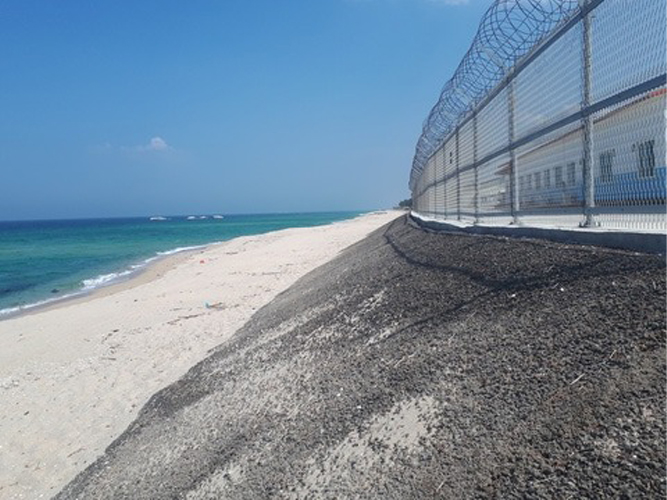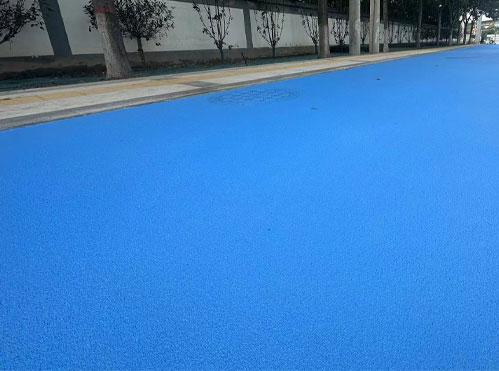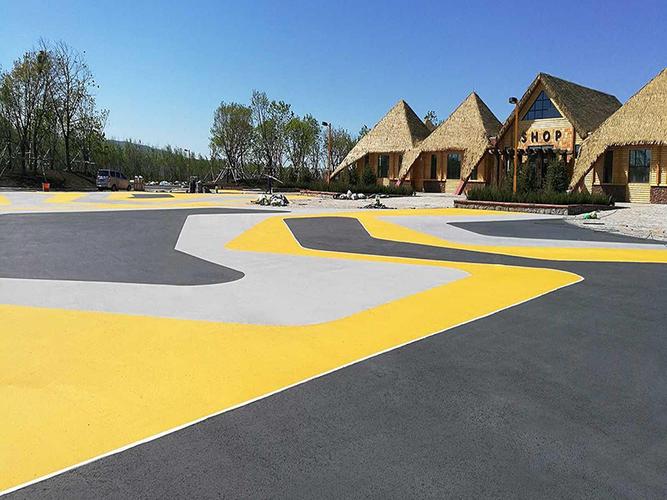
As cities continue to grow and modernize, urban road design is evolving beyond traditional black asphalt and gray concrete. Today, city planners and transportation authorities are increasingly adopting colorful pavement solutions to improve safety, enhance traffic management, and create more attractive public spaces. Combining functionality with aesthetics, colorful pavements are becoming an important part of future urban infrastructure.
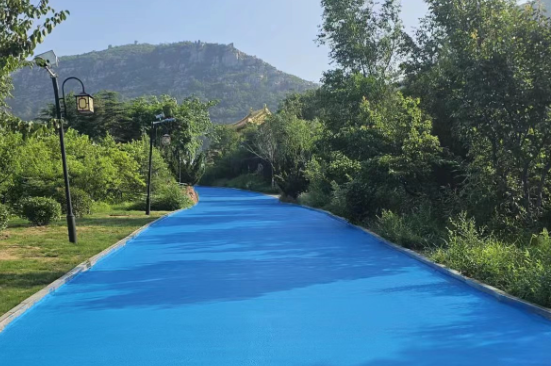
Modern transportation networks must accommodate vehicles, cyclists, pedestrians, and public transit systems while maintaining safety and efficiency. Colorful pavements help organize these complex environments by providing clear visual guidance and improving road user awareness.
Key benefits include:
Enhanced road safety
Improved traffic organization
Better visibility for drivers and pedestrians
Attractive urban landscapes
Increased cycling and walking accessibility
Long-term pavement durability
As a result, colorful pavement systems are being incorporated into smart city and sustainable transportation projects worldwide.
Safety is one of the primary reasons for using colored pavement. Bright, highly visible surfaces help drivers quickly recognize important traffic zones and respond appropriately.
Common safety applications include:
Pedestrian crossings
Bicycle lanes
School zones
Bus priority lanes
Traffic-calming areas
Intersection conflict zones
Many colored pavement systems also feature anti-slip aggregates that improve traction and reduce the risk of skidding during wet weather conditions.
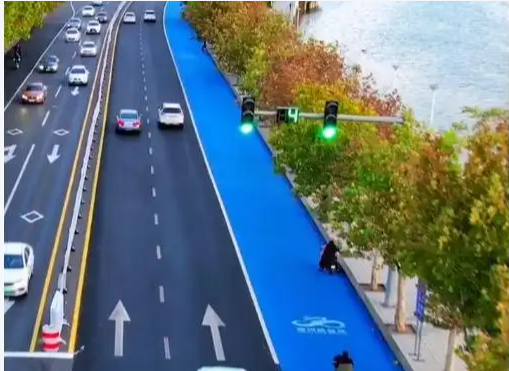
Future cities are placing greater emphasis on sustainable transportation. Colorful pavements help encourage walking, cycling, and public transit by creating clearly defined and visually appealing transportation corridors.
Benefits for sustainable mobility include:
Safer bicycle infrastructure
Improved pedestrian accessibility
Better public transportation guidance
Reduced vehicle-pedestrian conflicts
Enhanced user experience
Well-designed colored pavement networks can encourage more residents to choose environmentally friendly modes of transportation.
Colorful pavements do more than improve functionality—they also contribute to the visual identity of a city. Different colors can be used to create attractive streetscapes, public plazas, parks, and recreational spaces.
Urban design advantages include:
Modern city appearance
Stronger community identity
Improved public space attractiveness
Better wayfinding and navigation
Enhanced tourism and commercial appeal
Color can transform ordinary roads into vibrant and engaging public environments.
Several innovative pavement technologies are helping shape the future of urban road design.
An environmentally friendly solution that offers excellent color stability, strong adhesion, and reliable skid resistance for urban streets and pedestrian areas.
Designed for high-traffic environments where safety and durability are essential, including intersections, bicycle lanes, and public transit routes.
Known for rapid curing and exceptional wear resistance, MMA pavement is ideal for projects that require minimal traffic disruption and long-term performance.
A cost-effective pavement preservation solution that restores aging roads while adding color and improving surface performance.
Provides superior friction and long-lasting durability, making it ideal for ramps, curves, intersections, and other high-risk areas.
As smart city technologies continue to develop, colorful pavements will play an increasingly important role in intelligent transportation systems. Color-coded road networks can improve traffic management, support autonomous vehicle navigation, and enhance communication between infrastructure and road users.

Future applications may include:
Smart mobility corridors
Connected transportation systems
Sustainable urban developments
Multi-modal transportation networks
Climate-resilient infrastructure projects
Colorful pavements represent the future of urban road design by combining safety, functionality, sustainability, and visual appeal. From bicycle lanes and pedestrian crossings to public plazas and smart transportation corridors, colored pavement technologies help create safer and more efficient cities. Solutions such as Water-Based EAU Colored Anti-Slip Pavement, Water-Based SP Colored Anti-Skid Pavement System, MMA Colored Pavement, Color Emulsified Micro-Surfacing, and Ceramic Particle Anti-Slip Pavement are leading the way toward modern, vibrant, and people-friendly urban environments.