Performance Analysis of Vibration-Free Anti-Slip Ramp Materials
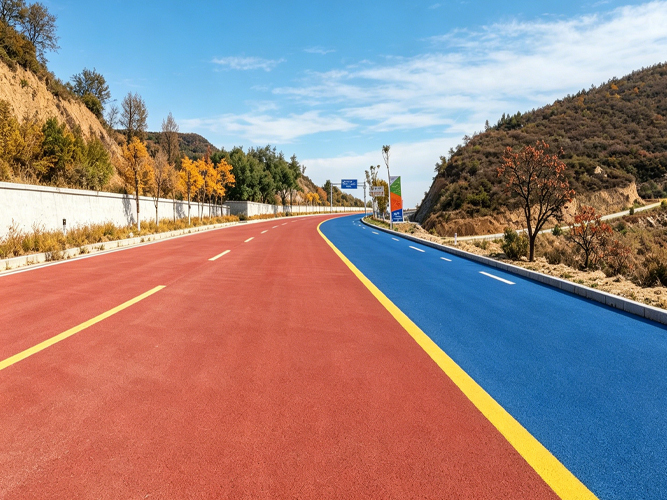
Vibration-free anti-slip ramp materials are engineered to provide a balanced combination of safety, stability, durability, and user comfort in transition areas such as stairs, doorways, loading zones, and accessibility ramps. A performance analysis of these materials focuses on their friction behavior, structural stability, impact response, and long-term environmental resistance.
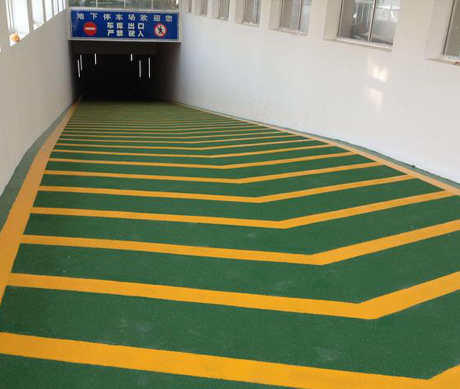
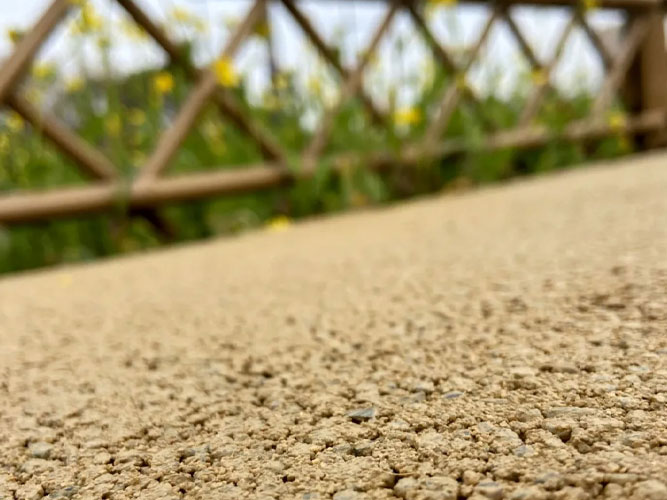
The most critical performance indicator is skid resistance. These systems typically use MMA resin, epoxy, or polyurethane binders combined with high-friction aggregates such as quartz sand or ceramic particles. The resulting micro-textured surface significantly increases the coefficient of friction, ensuring stable foot and wheel traction under dry, wet, or contaminated conditions. This makes them highly effective in reducing slip-related accidents in high-traffic or high-risk zones.
Another key performance factor is vibration attenuation. Unlike rigid or uneven ramp surfaces that generate impact shocks during movement, vibration-free systems are designed with optimized surface leveling and controlled aggregate distribution. This ensures a smooth transition between elevation changes, minimizing vertical impact forces. As a result, users experience improved comfort, and equipment such as wheelchairs, carts, and trolleys operate with greater stability and reduced mechanical stress.
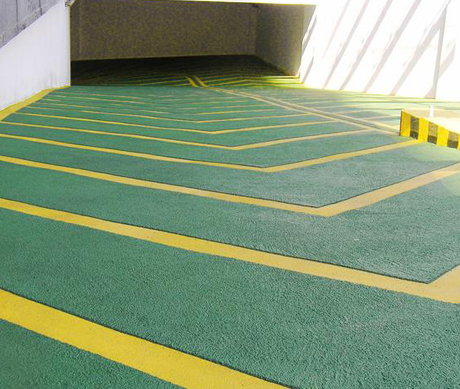
Structural adhesion performance is also essential. High-performance binders form a strong chemical and mechanical bond with substrates such as concrete, stone, or metal. This ensures that the ramp surface remains intact under repeated loading cycles without delamination or edge failure. Proper adhesion is particularly important in outdoor environments where moisture, freeze-thaw cycles, and thermal expansion can otherwise compromise performance.
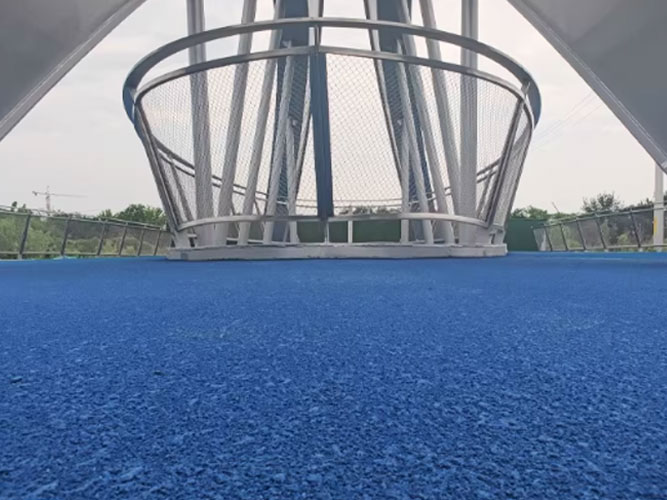
Wear resistance is another major evaluation parameter. In real-world applications, ramp surfaces are subjected to continuous pedestrian traffic, rolling loads, and occasional heavy impacts. Ceramic-reinforced or quartz-reinforced systems show strong resistance to abrasion, maintaining both texture depth and friction performance over long service periods. This helps extend maintenance intervals and reduces lifecycle costs.
Environmental durability also plays a significant role in performance assessment. High-quality vibration-free anti-slip materials are designed to resist UV radiation, water penetration, oil contamination, and chemical exposure. This ensures consistent performance in both indoor and outdoor environments, including industrial facilities and public infrastructure.

In addition, surface smoothness and transition quality are important usability metrics. A well-designed system eliminates abrupt height differences and uneven joints, ensuring a seamless passage between surfaces. This directly improves accessibility compliance and user experience, particularly for elderly users and individuals with mobility challenges.
In conclusion, vibration-free anti-slip ramp materials deliver strong overall performance across multiple engineering criteria. Their combination of high friction, vibration reduction, structural stability, and environmental resistance makes them an effective solution for safe and comfortable transition surfaces in modern infrastructure and building design.