When evaluating road and surface materials, cost is not only about initial construction price but also long-term maintenance, durability, and safety performance. Comparing colored pavement with traditional asphalt or concrete surfaces reveals important differences in real-life project costs and overall value.
Traditional asphalt and concrete surfaces generally have a lower upfront cost. They are widely available, familiar to contractors, and require standard installation processes. This makes them attractive for projects with tight initial budgets.
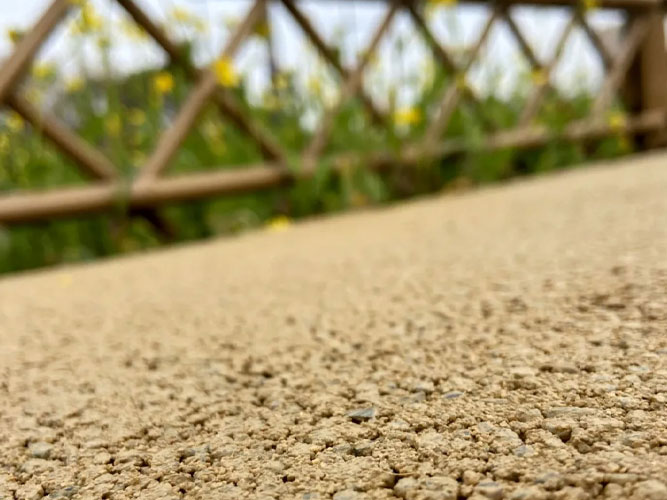
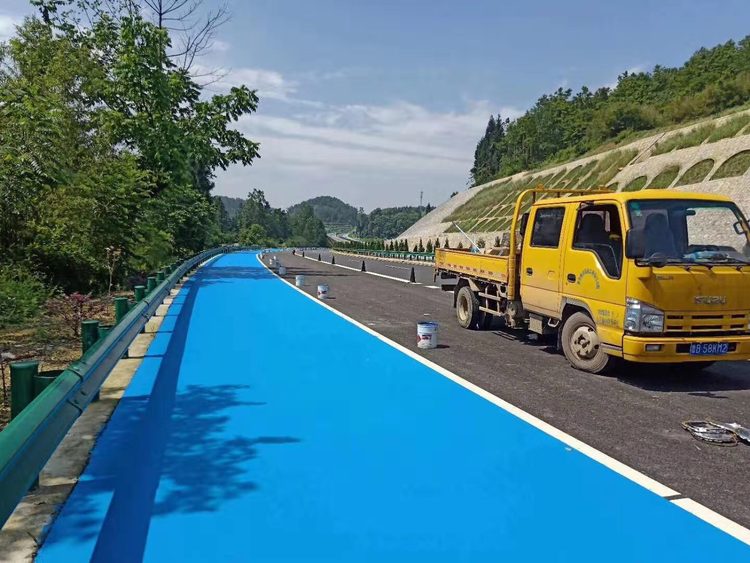
Colored pavement, especially systems using MMA, epoxy, or polyurethane with high-friction aggregates, typically has a higher initial cost. The materials are more specialized, and the application process may require additional surface preparation and technical expertise.
This is where colored pavement often becomes more economical in the long term. Traditional surfaces tend to develop cracks, fading, rutting, and surface wear, requiring frequent patching, resurfacing, or repainting.
Colored anti-slip pavement is designed for durability and wear resistance. Its strong bonding system and high-quality aggregates help it maintain performance and appearance for a longer period, reducing the frequency of repairs and lowering long-term maintenance expenses.
Traditional surfaces offer limited skid resistance, especially in wet or high-traffic conditions. This can increase accident risk, potentially leading to higher indirect costs such as liability, repairs, and safety improvements.
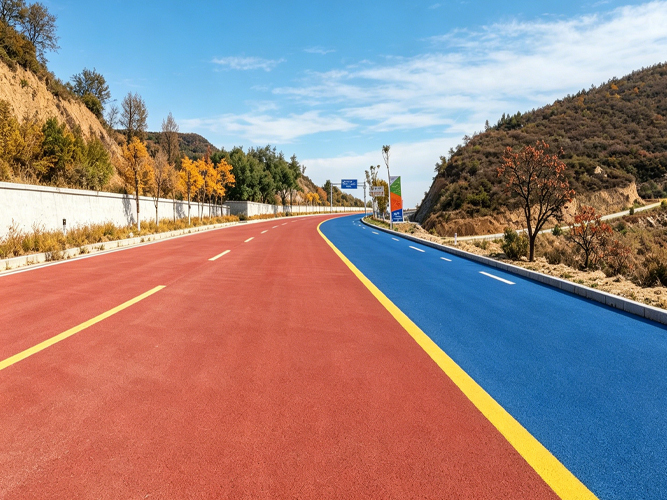
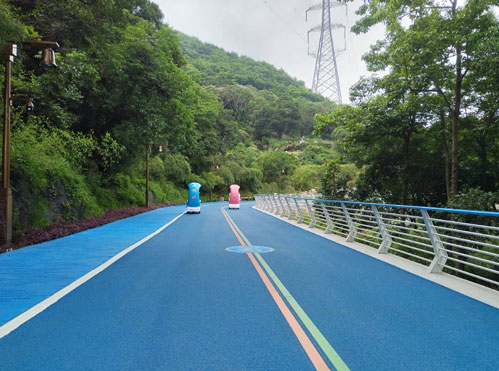
Colored anti-slip pavement provides high friction and better visibility. By improving traction and clearly defining traffic zones (bike lanes, crossings, ramps), it helps reduce accidents and enhances overall road safety. These safety benefits can translate into significant long-term economic savings.
Standard asphalt surfaces often require resurfacing every few years depending on traffic conditions. Concrete may last longer but can still suffer from cracking and surface degradation.
Colored pavement systems are designed for extended service life under heavy use and harsh weather conditions. A longer replacement cycle reduces overall lifecycle cost and minimizes disruption to traffic during maintenance.
Traditional pavement provides basic functionality but limited design flexibility. It does not contribute significantly to traffic organization or urban aesthetics.
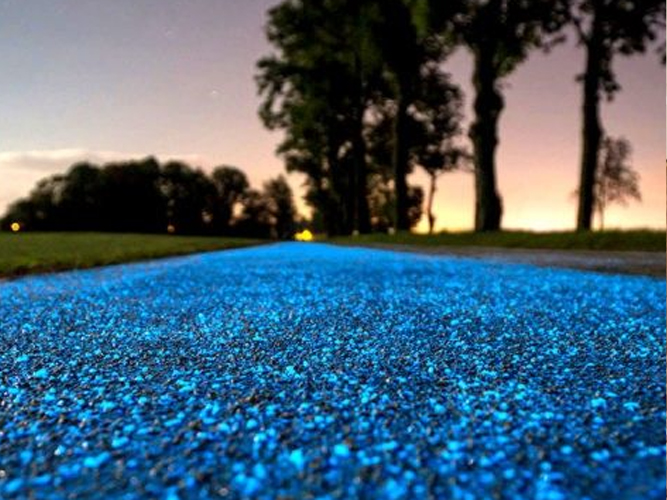
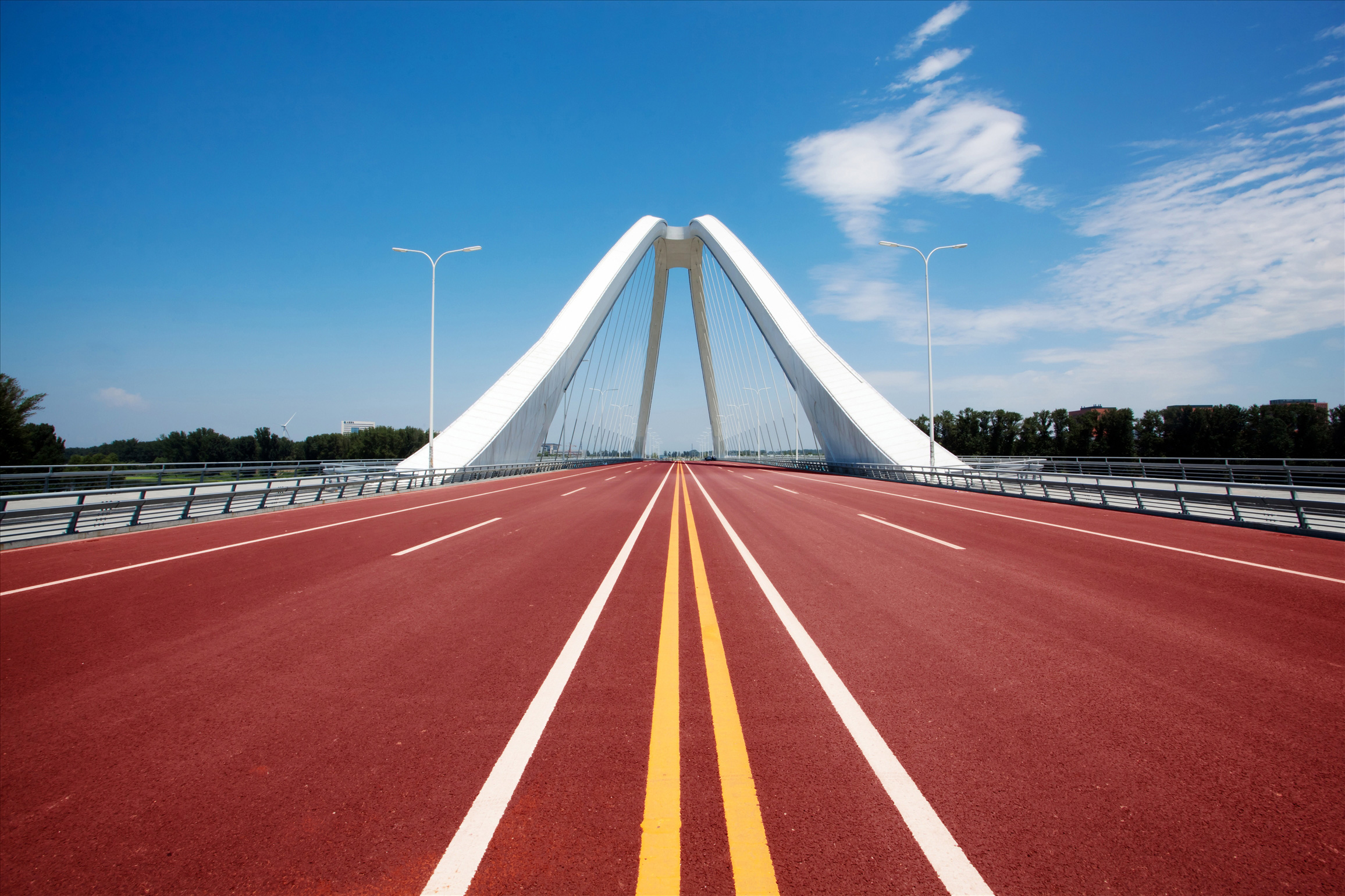
Colored pavement adds functional value through color zoning and improved road visibility. It also enhances the appearance of public spaces, which can support urban development, tourism, and property value indirectly—benefits not reflected in basic construction cost comparisons.
While traditional pavement may offer a lower initial investment, colored pavement often provides better long-term value. Its advantages in durability, safety, reduced maintenance, and functional design can significantly lower the real lifecycle cost of a project. For cities and developers focused on long-term performance and urban quality, colored pavement is often the more cost-effective solution.