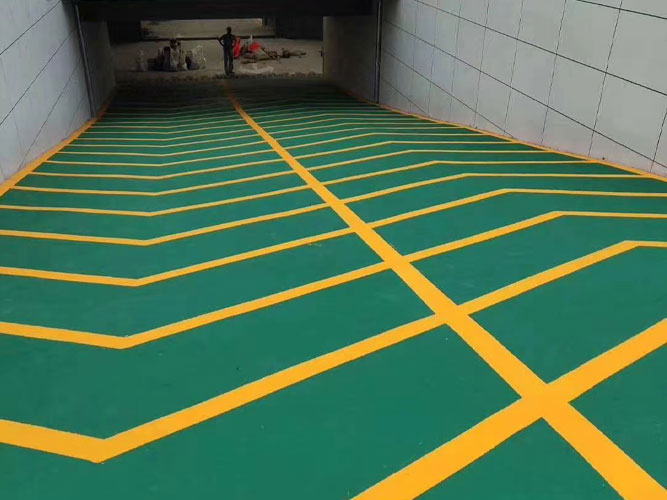
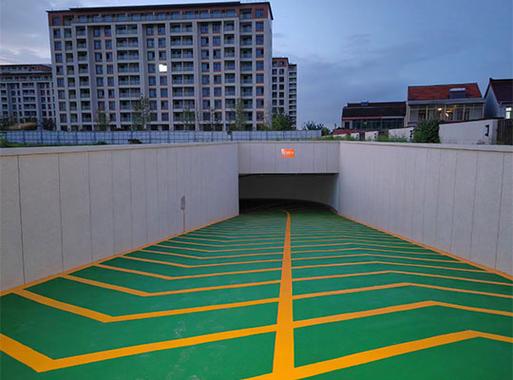
Vibration-free anti-slip ramps are advanced pavement systems designed to provide excellent skid resistance while maintaining a smooth and comfortable driving experience. Unlike traditional textured ramp surfaces that can produce excessive vibration and noise, vibration-free anti-slip ramp technology combines high-friction performance with optimized surface smoothness for improved vehicle stability and driving comfort.
This type of ramp surfacing is widely used in parking garages, underground entrances, bridges, commercial complexes, industrial facilities, and steep roadway sections where vehicle traction and driving safety are essential.
A vibration-free anti-slip ramp is a specially engineered pavement system that uses high-performance binders, anti-skid aggregates, and optimized surface texture technology to reduce tire vibration while maintaining strong friction performance.
Traditional anti-slip ramp surfaces often rely on deep grooves or rough textures to improve traction. Although effective for skid resistance, these surfaces can create uncomfortable vibration, increased tire wear, and excessive driving noise. Vibration-free systems are designed to solve these problems by balancing surface roughness and smoothness.
The system works by combining durable resin materials with carefully selected anti-slip aggregates to create a dense and uniform pavement texture. This structure improves tire grip while reducing impact vibration during vehicle movement.
The surface is engineered to:
Increase friction between tires and pavement
Reduce sudden vehicle slipping on steep ramps
Minimize vibration and noise
Improve vehicle stability during braking and turning
Enhance driving comfort in enclosed environments
The result is a safer and quieter ramp surface suitable for both vehicles and pedestrians.
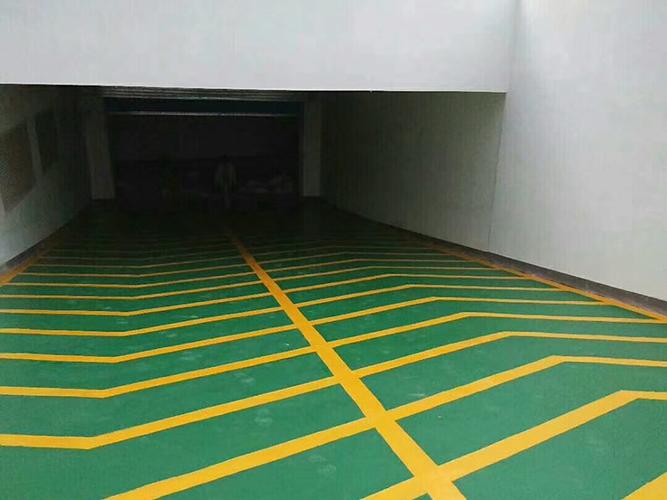
High-friction aggregates provide strong traction performance, especially on steep slopes and wet surfaces. This reduces the risk of slipping during acceleration or braking.
The optimized surface structure minimizes tire impact and vibration, creating a smoother driving experience and reducing noise pollution in parking structures and urban areas.
Compared with conventional rough-textured ramps, vibration-free systems improve driving comfort and vehicle handling.
High-quality resin binders and hard aggregates provide excellent resistance to heavy traffic, abrasion, water penetration, and chemical exposure.
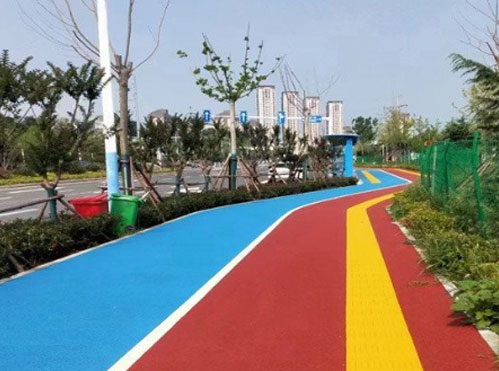
Many vibration-free ramp systems are available in different colors and patterns, helping improve traffic guidance and enhance architectural aesthetics.
Typical vibration-free anti-slip ramp systems include:
MMA resin binders
Epoxy or polyurethane materials
Colored ceramic aggregates
Quartz sand or anti-skid particles
Water-resistant sealing layers
These materials provide long-term durability and stable anti-slip performance.
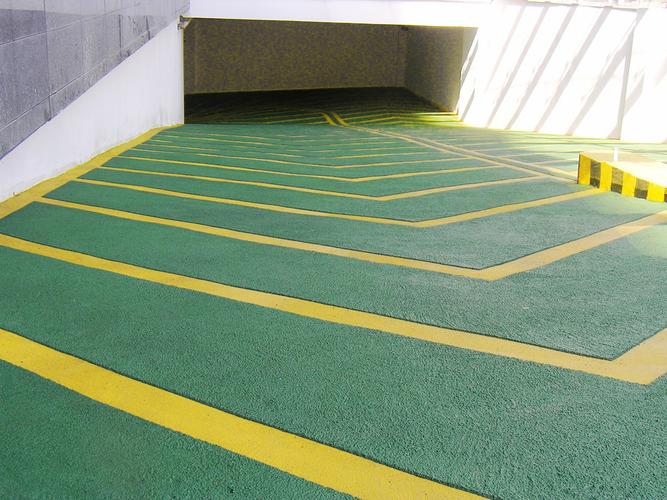
This technology is widely used in:
Parking garage ramps
Underground parking entrances
Commercial building ramps
Residential parking areas
Industrial facility ramps
Bridge approaches
Hospital and shopping center parking systems
Steep roadway sections
The system is especially effective in locations requiring both high safety standards and low-noise operation.
Compared with conventional grooved concrete or rough asphalt ramps, vibration-free anti-slip ramps offer several advantages:
Lower vibration levels
Reduced driving noise
Improved vehicle comfort
Better appearance
Enhanced skid resistance
Longer service life
Easier maintenance
These benefits make the technology increasingly popular in modern urban infrastructure projects.
As transportation infrastructure continues to prioritize safety, environmental performance, and user comfort, vibration-free anti-slip ramp systems are evolving rapidly. New materials and construction technologies are improving durability, reducing emissions, and increasing surface efficiency.
In the future, vibration-free anti-slip ramps will continue to become an important part of smart parking systems, sustainable building design, and modern transportation engineering.