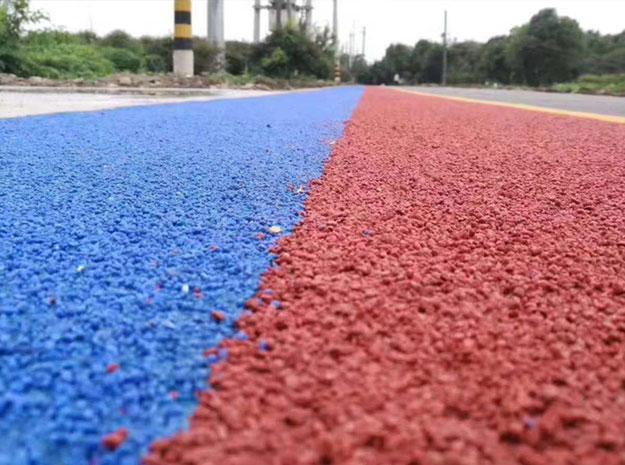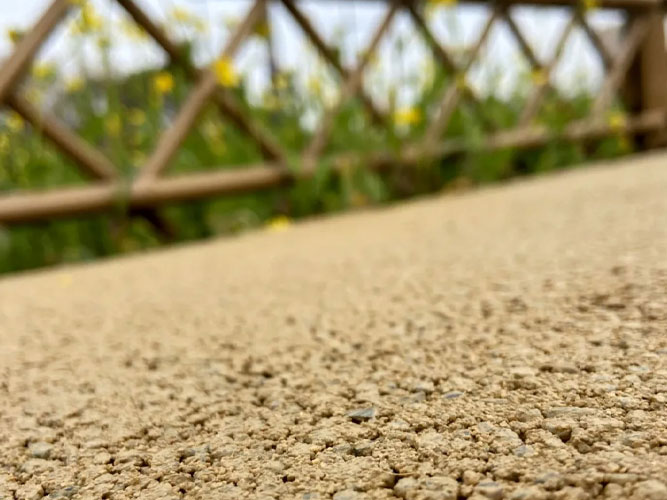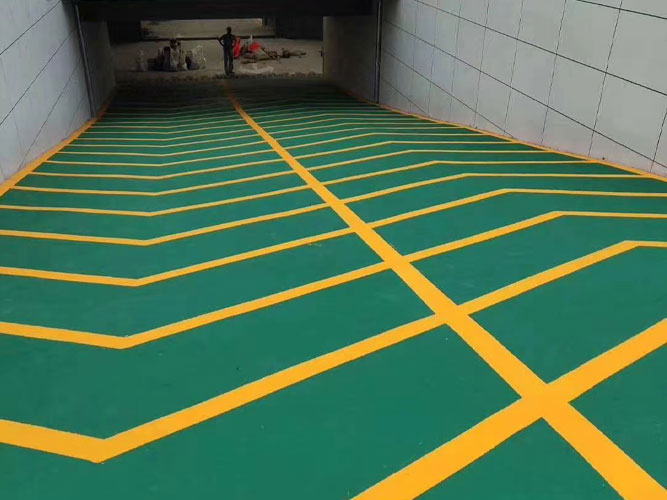
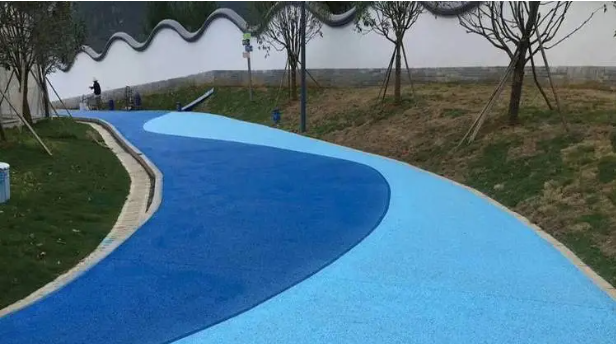
High-traffic roads demand surfacing systems that can withstand continuous vehicle loads while maintaining safety, visibility, and long-term structural integrity. Durable colored road surfacing has become an effective solution for modern infrastructure projects, combining high friction performance with clear visual guidance for improved traffic management.
Durable colored road surfacing is a specialized pavement treatment designed for areas with heavy traffic flow. It uses high-strength binders, wear-resistant aggregates, and UV-stable pigments to create a surface that is both functional and visually distinctive.
Unlike conventional asphalt or concrete, this system is engineered to provide:
Long-lasting surface durability
Enhanced skid resistance
High color visibility for traffic guidance
Strong adhesion to existing road substrates
Durable colored road surfacing systems are developed to perform under demanding conditions. Their key features include:
High resistance to abrasion and deformation
Strong bonding performance with asphalt and concrete
Anti-slip surface texture for improved traction
UV and weather resistance for long-term color stability
Fast application and curing process
These properties make it suitable for both new construction and road renovation projects.
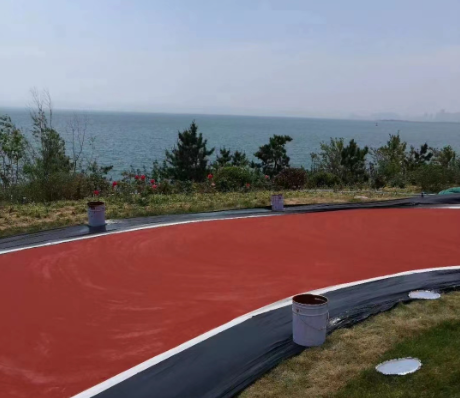
This type of surfacing is widely used in areas where traffic volume and safety requirements are high, including:
Urban arterial roads
Highway entrances and exits
Busy intersections and roundabouts
Bus lanes and dedicated transit corridors
Industrial parks and logistics centers
Bridge decks and elevated roadways
These locations require surfaces that can handle continuous stress while maintaining safety performance.
Durable colored road surfacing improves traffic safety through both physical and visual functions.
The textured aggregate surface increases friction, reducing the risk of skidding during braking, turning, or wet weather conditions.
Color differentiation helps define lanes, warnings, and functional zones, allowing drivers to quickly recognize road conditions.
Clear visual separation reduces lane confusion and helps prevent improper vehicle movements in complex traffic areas.
Even in rain or low-light conditions, the surface maintains strong visibility and anti-slip performance.
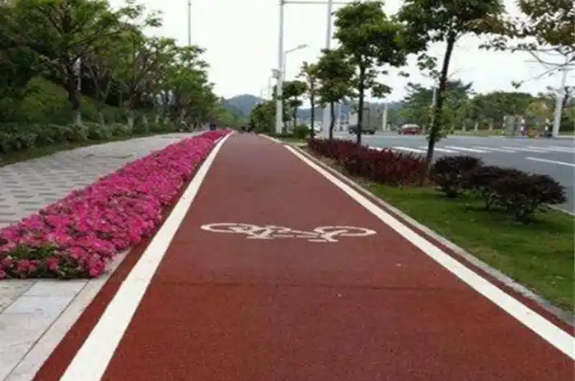
One of the key advantages of this system is its long service life under heavy traffic loads. It offers:
Resistance to wear from constant vehicle pressure
Reduced need for frequent maintenance or resurfacing
Stable performance under temperature fluctuations
Long-term cost efficiency for infrastructure owners
These benefits make it a practical choice for municipalities and transportation agencies.
As urban transportation systems evolve, road surfaces are expected to contribute more than just structural support. Durable colored road surfacing plays a role in:
Improving multimodal traffic organization
Enhancing road safety for all users
Supporting smart city infrastructure planning
Creating more efficient and visually structured road networks
Durable colored road surfacing for high-traffic applications provides a reliable balance of safety, durability, and visual functionality. Its ability to withstand heavy loads while improving traffic guidance makes it an important solution for modern urban and highway infrastructure development.