Colored pavement has become an important part of modern transportation engineering and urban road design. Cities around the world are increasingly using colored road surfaces to improve traffic safety, organize transportation systems, and enhance the appearance of public spaces. From bicycle lanes and pedestrian crossings to bus lanes and parking ramps, colored pavement provides both functional and visual advantages.
Colored pavement refers to a road surface system that uses pigments, colored aggregates, resin binders, or special coatings to create a visible and durable colored layer on asphalt or concrete pavement. Common colors include red, green, blue, and yellow, each used for different traffic management purposes.
Unlike ordinary asphalt surfaces, colored pavement improves visibility and provides clear traffic guidance for drivers, cyclists, and pedestrians. Many systems also include anti-slip materials to increase skid resistance and improve safety in wet conditions.
One of the main advantages of colored pavement is improved road safety. Bright and highly visible surfaces help drivers quickly identify special traffic zones such as bicycle lanes, school areas, and pedestrian crossings. High-friction colored pavement also reduces braking distance and minimizes the risk of skidding.
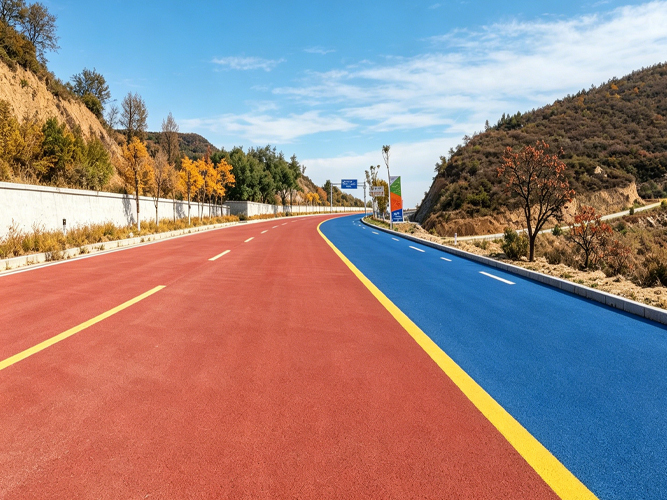
Colored road surfaces help separate different traffic functions. For example, red pavement is often used for bus lanes, while green pavement commonly marks bicycle lanes. This visual distinction improves traffic flow and reduces confusion.
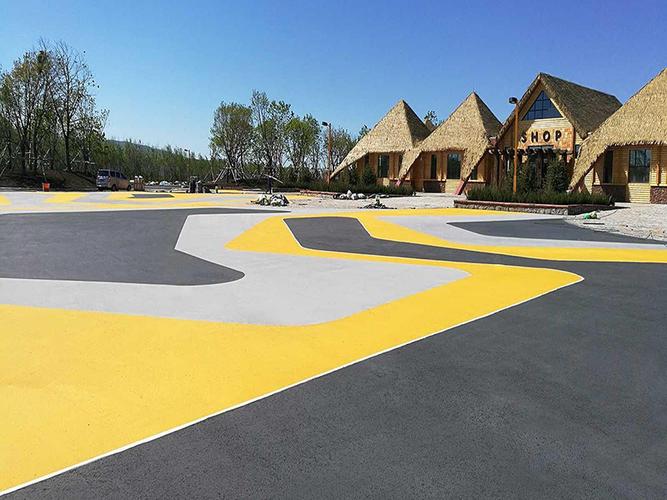
Modern cities use colored pavement to create cleaner, more attractive streetscapes. Decorative colored surfaces can enhance commercial districts, parks, pedestrian zones, and public plazas while supporting smart city development.
Many colored pavement systems are designed with strong wear resistance, UV stability, and water resistance. Materials such as MMA resin, epoxy coatings, and water-based anti-slip systems can maintain long-term color performance under heavy traffic conditions.
Water-based systems are environmentally friendly and suitable for urban roads, sidewalks, and non-motorized lanes. These coatings produce low VOC emissions and offer good adhesion and anti-slip performance.
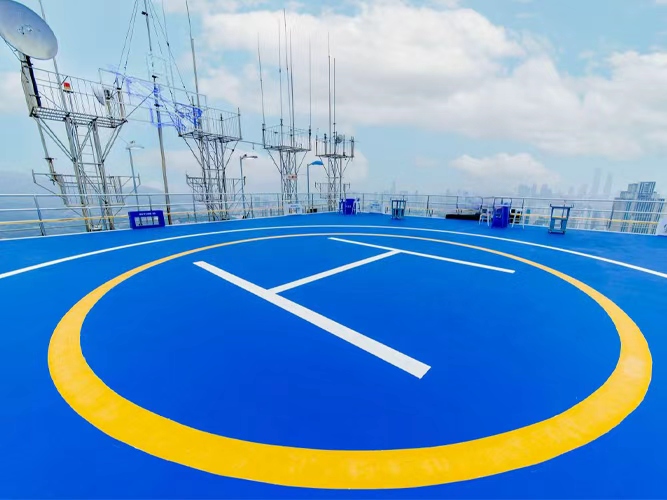
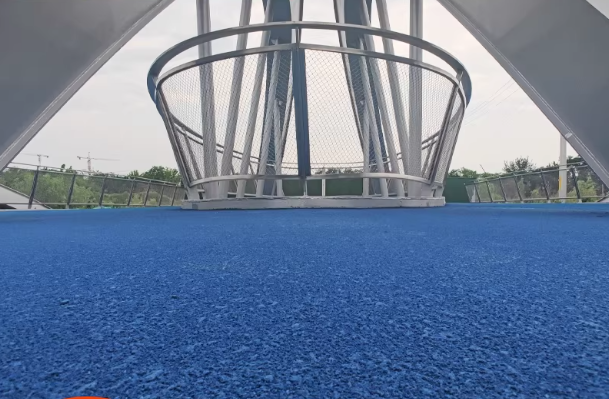
MMA (Methyl Methacrylate) pavement systems cure rapidly and provide excellent durability. They are widely used in intersections, bridges, tunnels, and high-traffic areas requiring strong skid resistance.
Colored micro-surfacing combines emulsified asphalt, pigments, and aggregates to create a cost-effective road preservation treatment. It improves pavement texture while adding color and anti-skid functionality.
This system uses high-hardness ceramic aggregates bonded with resin materials. It provides outstanding friction performance and is commonly applied on ramps, curves, and dangerous road sections.
Colored pavement is widely used in transportation and municipal infrastructure projects, including:
Bicycle lanes
Pedestrian crossings
Bus rapid transit lanes
Parking garage ramps
School safety zones
Highway exits and curves
Bridges and tunnels
Decorative public streets
These applications help improve road awareness and increase safety for all road users.
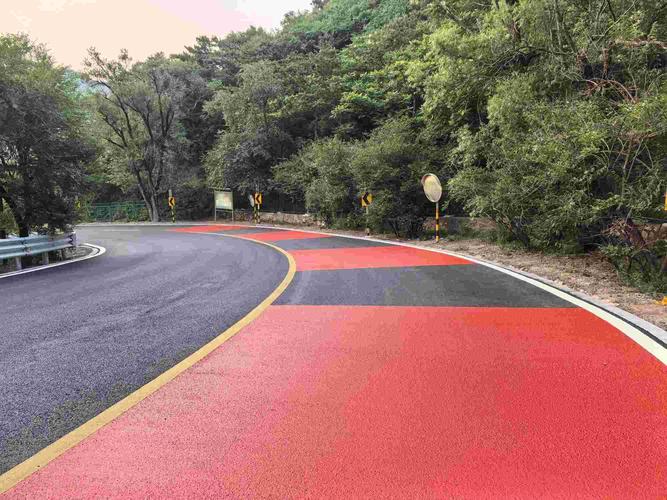
As cities continue to focus on sustainable transportation and smart infrastructure, colored pavement technology is evolving rapidly. New materials now offer better environmental performance, longer service life, and improved anti-slip properties. Water-based systems and energy-efficient construction methods are becoming increasingly popular in urban development projects.
Colored pavement is no longer only a decorative road treatment. It has become an essential solution for safer, smarter, and more efficient transportation systems.