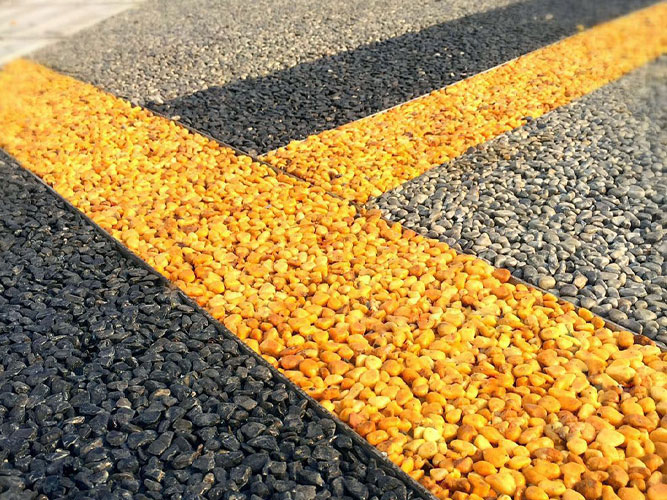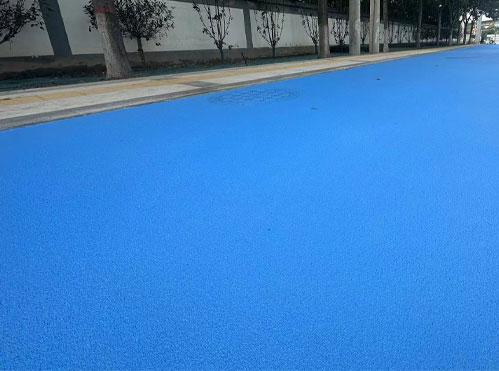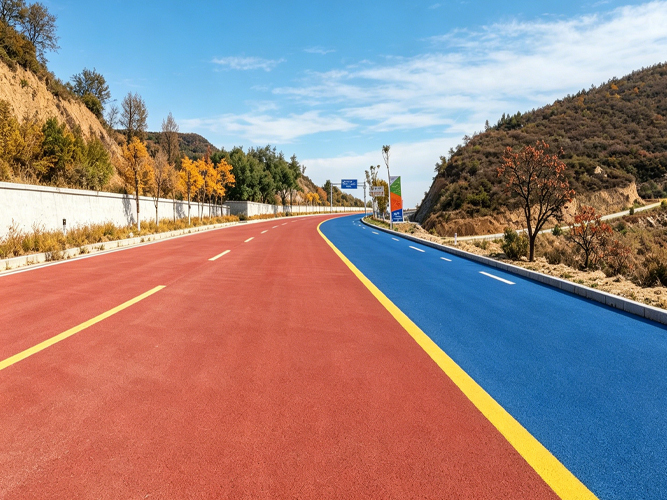
Colored anti-skid road surfacing is a high-performance pavement system designed to improve road safety, increase surface friction, and enhance traffic visibility at the same time. It is widely used on highways, intersections, bicycle lanes, pedestrian crossings, bridges, ramps, and urban traffic zones.
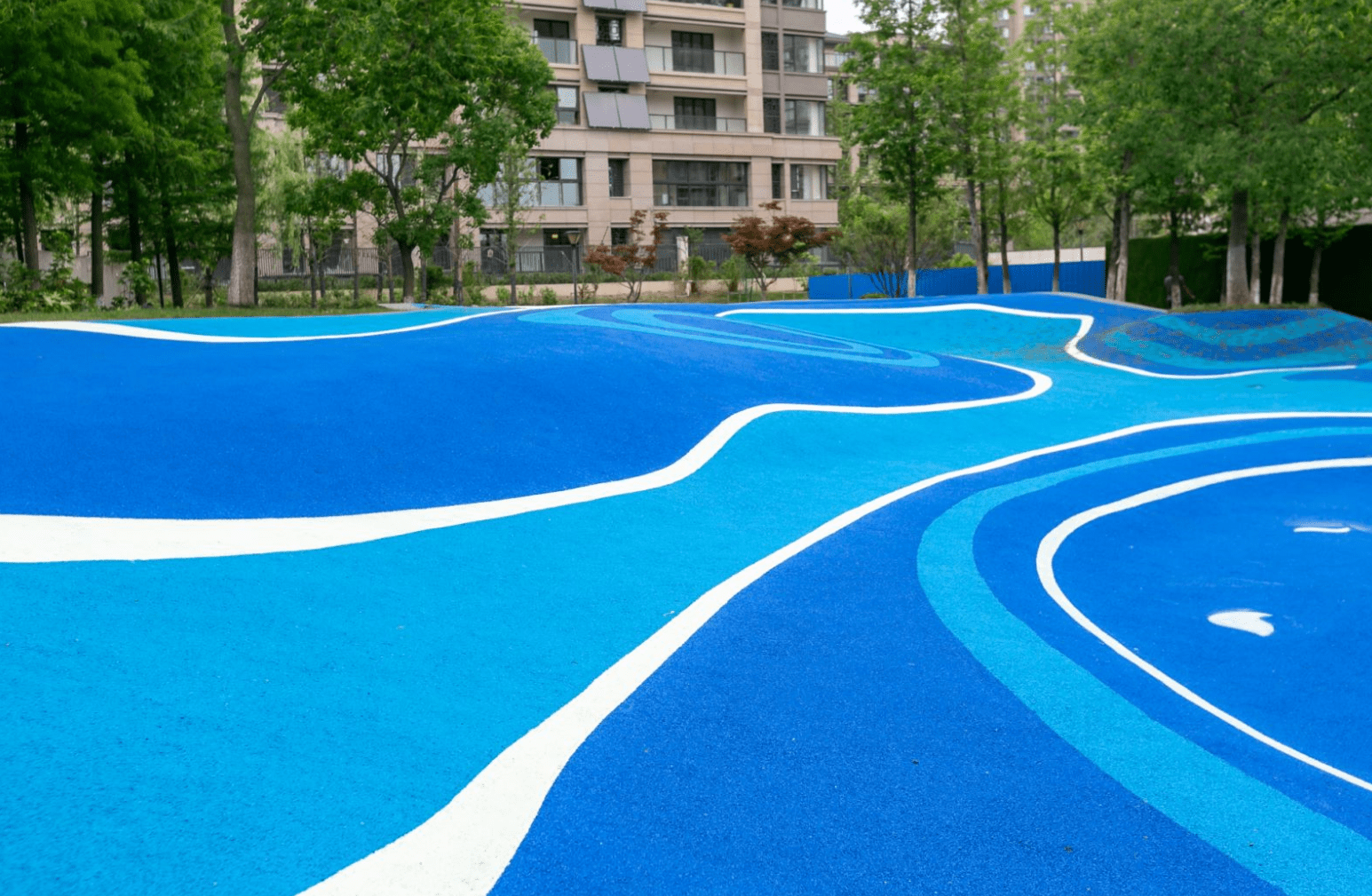
Colored anti-skid surfacing is a thin-layer pavement system made of high-strength resin binders combined with anti-skid aggregates such as ceramic particles or calcined bauxite. The surface is finished with durable pigments that provide clear visual guidance for different traffic zones.
The system works in two ways:
First, the textured aggregate surface increases friction between tires and the road, reducing skidding and improving braking performance—especially in wet conditions.
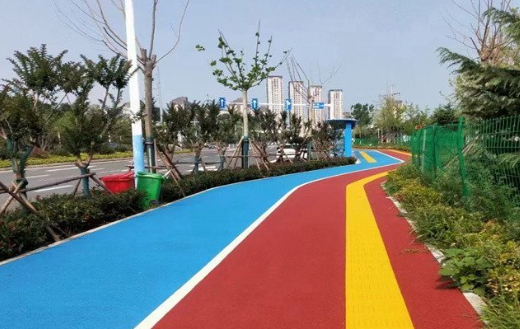
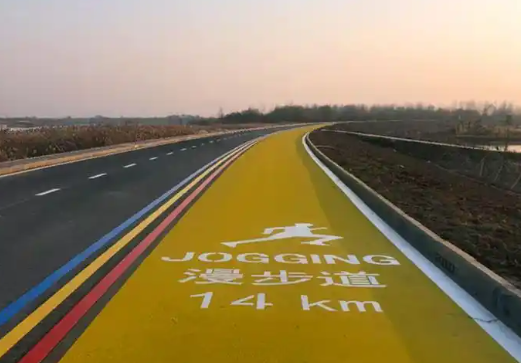
Second, the colored layer improves visibility, helping drivers, cyclists, and pedestrians quickly identify lanes, crossings, and safety zones.
✔ High skid resistance for safer driving
✔ Reduced braking distance in wet and dry conditions
✔ Clear visual road guidance through color zoning
✔ Strong weather and UV resistance
✔ Fast installation with minimal traffic disruption
✔ Long service life with low maintenance needs
It is commonly applied in:
Urban intersections and roundabouts
Bicycle lanes and bus lanes
Pedestrian crossings and school zones
Bridge decks and ramps
Parking areas and traffic-calming zones
As cities move toward smarter mobility systems, road surfaces are no longer just structural layers—they are becoming active safety tools. Colored anti-skid surfacing helps reduce accidents, organize traffic flow, and create safer environments for all road users.
Safer Roads. Better Visibility. Smarter Cities.