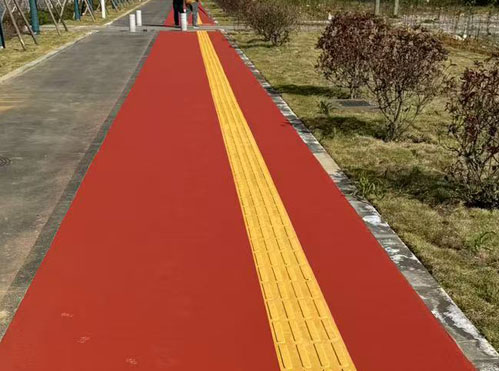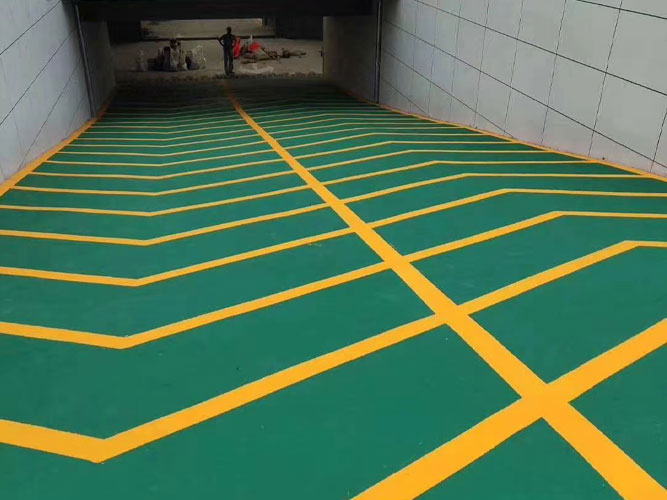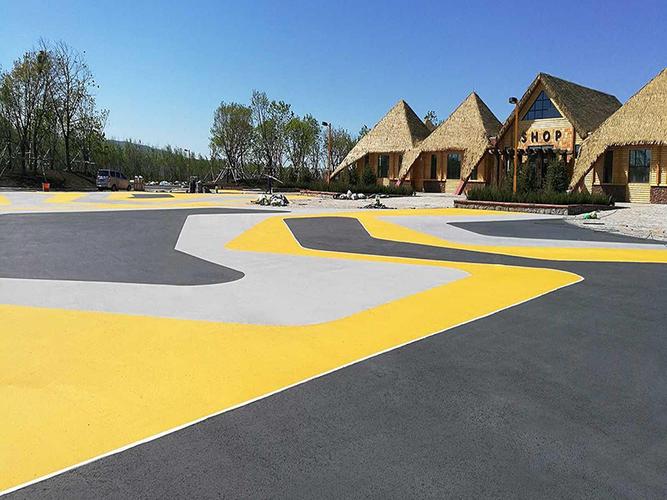
As cities and communities pursue sustainable development goals, eco-friendly colored pavement solutions are becoming an increasingly popular choice for transportation infrastructure, public spaces, and landscape projects. These innovative pavement systems combine environmental responsibility with enhanced safety, durability, and visual appeal. By incorporating sustainable materials and long-lasting construction technologies, eco-friendly colored pavements help reduce environmental impact while creating attractive and functional urban environments.
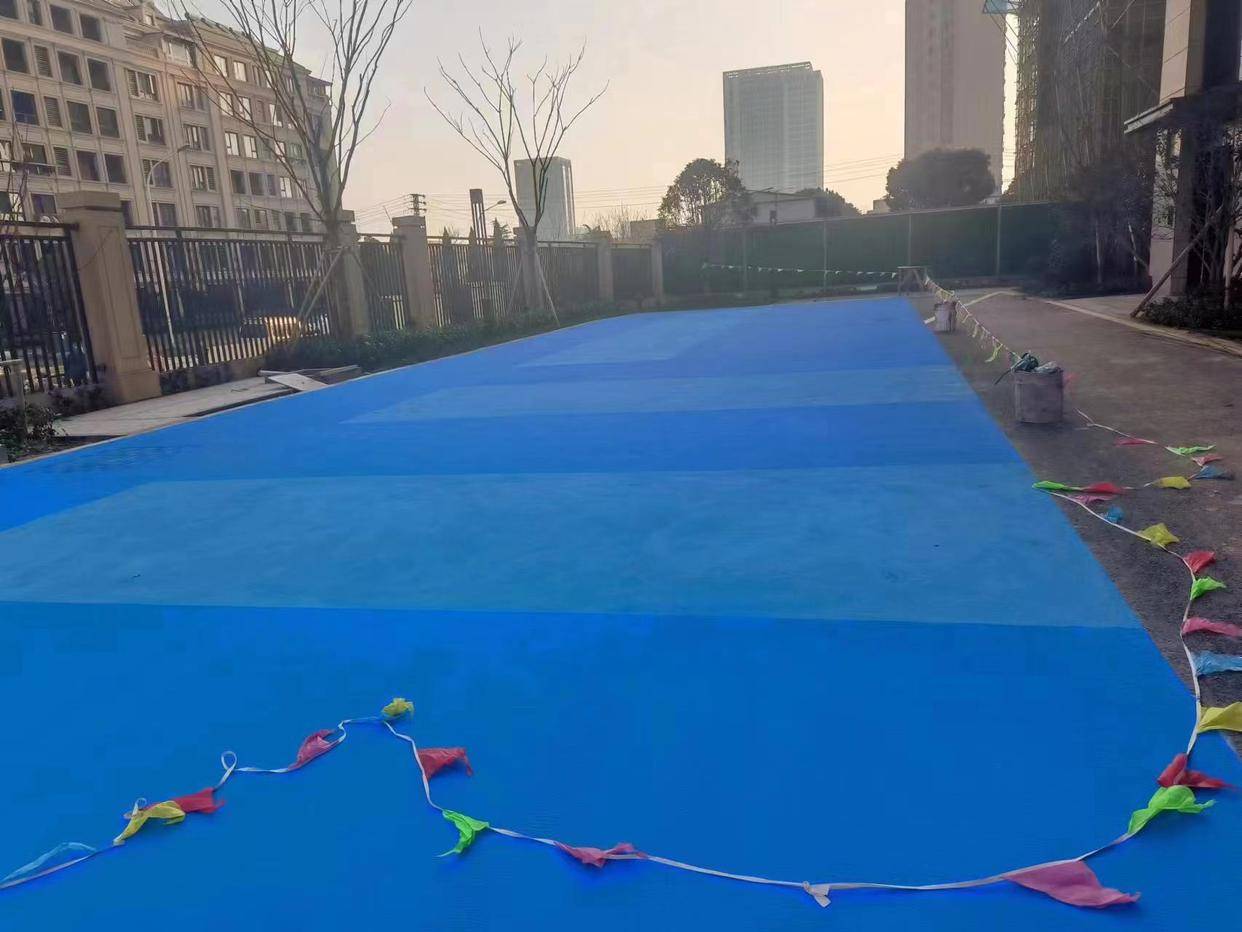
Eco-friendly colored pavement solutions are paving systems designed to minimize environmental impact throughout their lifecycle. They typically utilize durable colored aggregates, low-emission binders, and sustainable construction practices to create visually appealing surfaces with long service lives.
Common applications include:
Bicycle lanes
Pedestrian walkways
Urban roads
Parks and recreational areas
School zones
Public plazas
Residential communities
Commercial developments
These systems offer both environmental and performance benefits compared to traditional pavement treatments.
Many eco-friendly colored pavement systems incorporate materials selected for durability, resource efficiency, and reduced environmental impact.
Colored ceramic aggregate is widely used because of its exceptional durability and long-lasting color retention. Its extended service life reduces the need for frequent maintenance and replacement.
Some pavement systems incorporate recycled mineral materials, helping reduce the demand for virgin resources and minimizing construction waste.
Water-based binders produce lower emissions than many traditional solvent-based products, contributing to cleaner construction processes.
Modern resin technologies often feature low volatile organic compound (VOC) content, improving environmental performance and worker safety during installation.
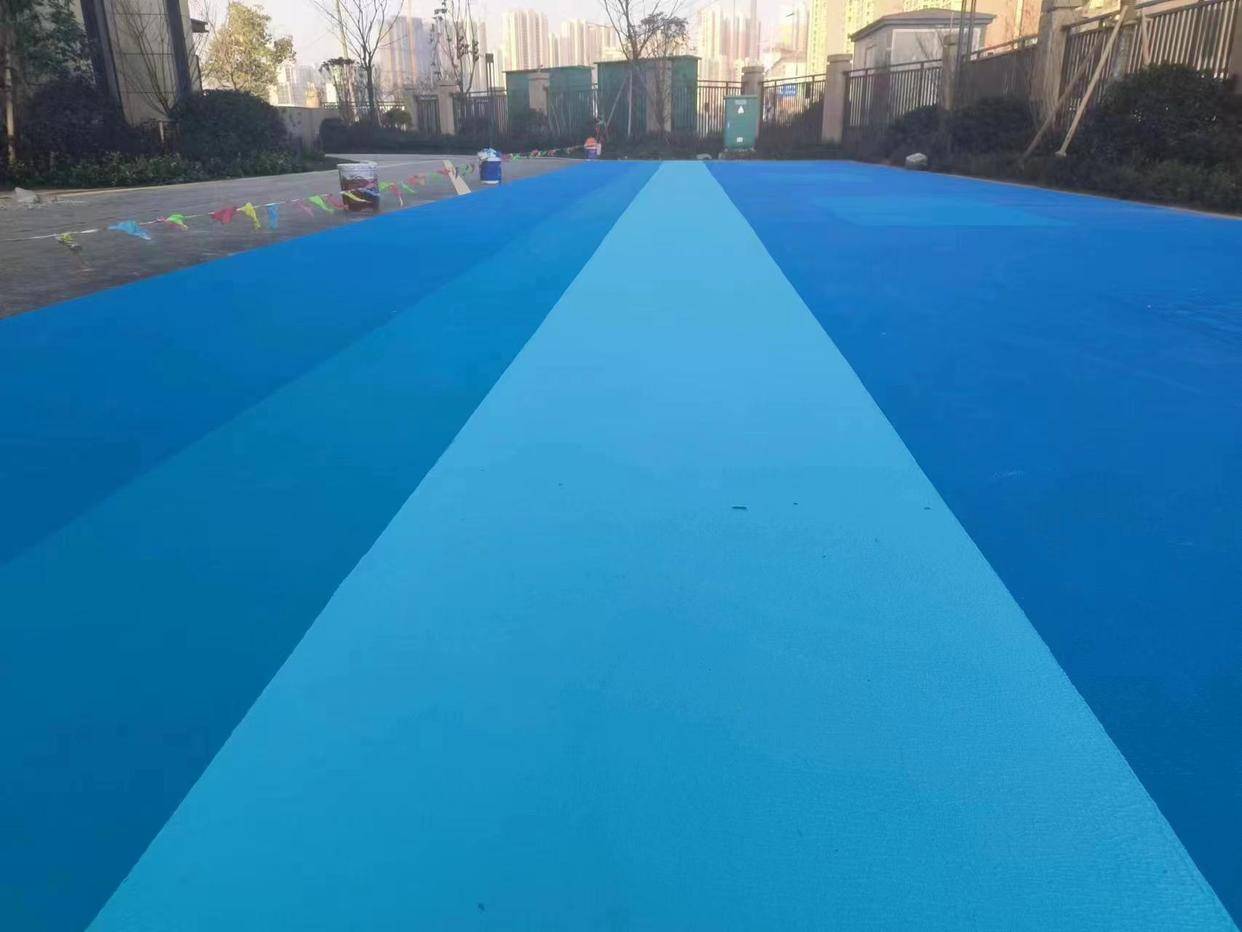
One of the most important sustainability advantages of colored pavement systems is their durability. High-quality materials maintain their appearance and functionality for many years, reducing the frequency of repairs and resurfacing.
Benefits include:
Lower material consumption
Reduced construction waste
Fewer maintenance operations
Reduced traffic disruptions
Lower lifecycle environmental impact
A longer-lasting pavement system generally results in a smaller overall carbon footprint.
Eco-friendly colored pavements support safer and more sustainable transportation networks.
Green-colored bicycle lanes encourage cycling by providing clearly defined routes and improved visibility.
Colored walkways improve navigation and safety while enhancing the appearance of public areas.
Highly visible pavement surfaces help encourage safer driving behavior in school zones, residential streets, and urban centers.
By supporting active transportation, colored pavements contribute to healthier and more sustainable communities.
Certain colored pavement systems can help reduce surface temperatures compared to traditional dark asphalt surfaces. Lighter-colored materials may reflect more sunlight and absorb less heat, helping mitigate urban heat island effects.
Potential benefits include:
Improved pedestrian comfort
Reduced heat accumulation
Enhanced urban environmental quality
Better performance in hot climates
While performance varies depending on material selection and color, reflective pavement technologies are gaining attention in sustainable urban design.
Some eco-friendly pavement systems can be integrated with permeable or porous pavement designs. These systems allow water to infiltrate through the surface, reducing runoff and supporting sustainable stormwater management.
Advantages include:
Reduced surface water accumulation
Improved drainage
Lower flood risk
Enhanced groundwater recharge
This makes colored pavements suitable for environmentally sensitive developments.
Durable colored pavement systems require fewer repairs and less frequent replacement than many conventional surface treatments.
Maintenance typically involves:
Routine cleaning
Periodic inspections
Minor localized repairs when necessary
Reduced maintenance activities help conserve resources and lower long-term operational costs.
Eco-friendly colored pavement solutions are commonly used in:
Bicycle lanes
Pedestrian crossings
Public parks
University campuses
Transit stations
Residential developments
Commercial centers
Waterfront promenades
Recreational trails
Smart city infrastructure projects
These applications demonstrate how sustainability and functionality can be successfully combined.
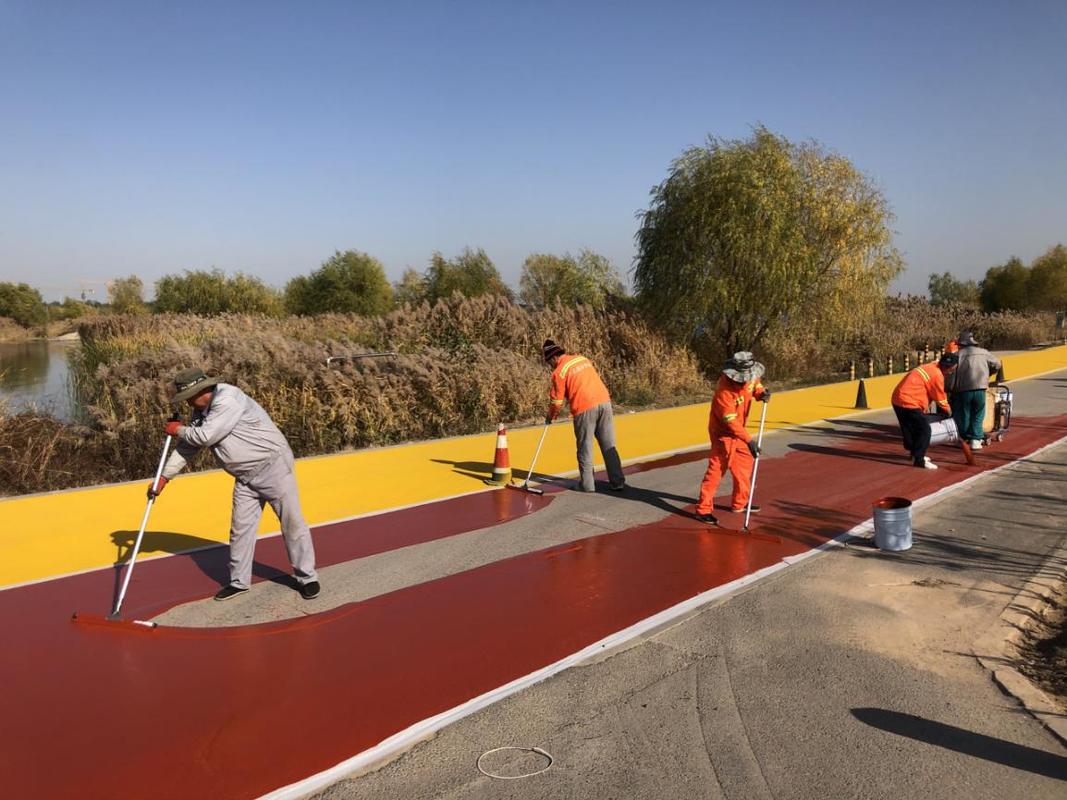
Many municipalities are adopting green infrastructure strategies aimed at reducing environmental impacts while improving urban livability. Eco-friendly colored pavements align well with these objectives by providing:
Sustainable material options
Long-term durability
Improved safety
Attractive public spaces
Support for active transportation
These benefits contribute to more resilient and environmentally responsible communities.
Eco-friendly colored pavement solutions offer a sustainable approach to modern infrastructure development. By utilizing durable materials, low-emission technologies, and long-lasting designs, these systems help reduce environmental impact while enhancing safety and visual appeal. Whether used for bicycle lanes, pedestrian pathways, public plazas, or urban roads, eco-friendly colored pavements provide an effective balance of sustainability, performance, and aesthetics for the cities of the future.