This Colored Anti-Skid Road Surfacing Is Changing Road Safety Forever
Meta Description
Discover how colored anti-skid road surfacing is transforming modern transportation by improving grip, visibility, and safety across highways, bike lanes, and pedestrian zones. Learn its benefits, applications, and future potential.
H1
This Colored Anti-Skid Road Surfacing Is Changing Road Safety Forever
H2
What Is Colored Anti-Skid Road Surfacing?
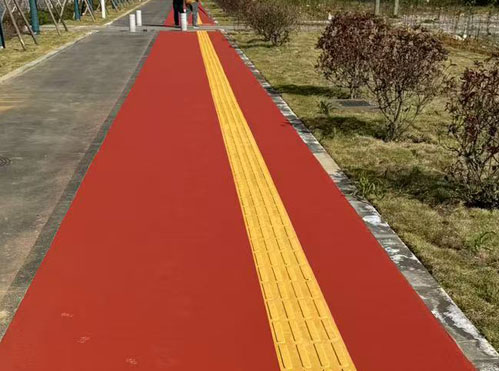
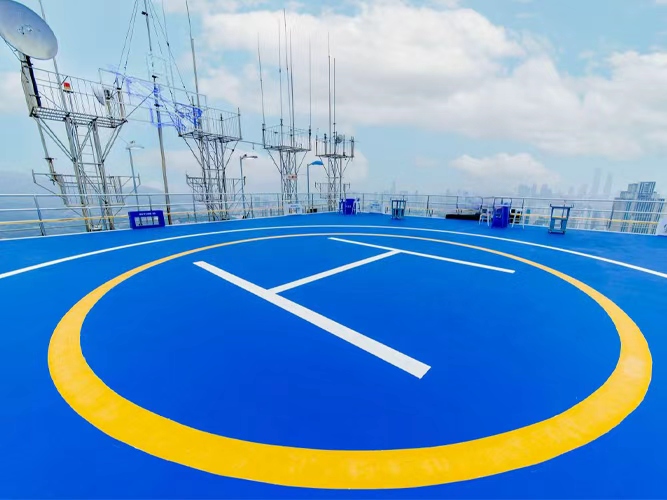
Colored anti-skid road surfacing is a high-performance pavement system designed to improve both road safety and visual guidance. Unlike traditional asphalt, this surface uses specially engineered aggregates and resin or polymer binders to create a textured, high-friction layer with strong color visibility.
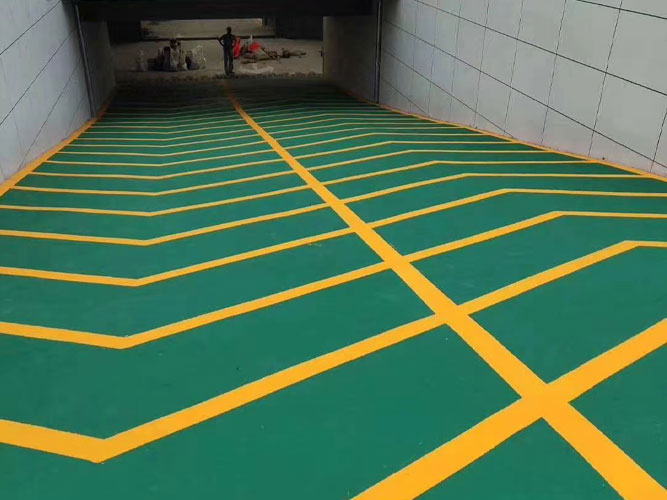
It is widely used in areas where safety is critical, such as intersections, ramps, bicycle lanes, pedestrian crossings, school zones, tunnels, and high-risk curves. The combination of color contrast and anti-slip performance makes it an advanced solution for modern traffic management.
H2
Why It Is Becoming a Global Road Safety Solution
Traditional road surfaces often fail in two key areas: visibility and traction. Especially in wet, foggy, or high-traffic conditions, accidents are more likely to occur.
Colored anti-skid surfacing solves these problems in three important ways:
First, it increases friction. The textured aggregate structure significantly improves tire grip, reducing braking distance and skidding risk.
Second, it enhances visibility. Bright and durable pigments help drivers quickly identify lanes, danger zones, and pedestrian areas.
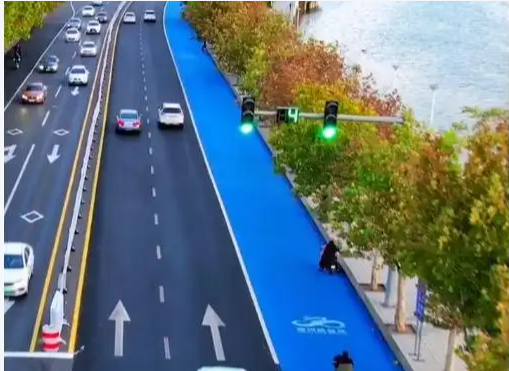
Third, it improves traffic discipline. Different colors can be used to separate vehicle lanes, cycling paths, and pedestrian zones, reducing confusion and conflicts.
These combined benefits make it a powerful tool for urban planners and road engineers.
H2
Key Materials and Technology Behind It
Modern colored anti-skid surfacing systems typically use advanced materials such as resin-based binders, polymer-modified binders, or emulsified asphalt systems combined with ceramic or mineral aggregates.
Ceramic aggregates are especially important because they provide extremely high hardness, wear resistance, and long-term color stability. They also maintain skid resistance even under heavy traffic loads.
Some systems also use fast-curing technologies like MMA resin, allowing roads to reopen within hours instead of days. This is especially valuable for highways and busy urban intersections where downtime must be minimized.
H2
Major Advantages of Colored Anti-Skid Surfacing
One of the biggest advantages is safety improvement. By increasing road friction and visual clarity, it significantly reduces accident risks in critical areas.
Another advantage is durability. High-quality systems are designed to resist UV exposure, heavy traffic wear, oil contamination, and extreme weather conditions.
It also offers design flexibility. Engineers can use different colors to create functional road zoning, traffic calming effects, or aesthetic urban landscapes.
In addition, maintenance is relatively simple. Compared with traditional resurfacing, damaged sections can often be repaired locally without full road reconstruction.
H2
Common Application Scenarios
Colored anti-skid surfacing is widely used in:
Urban intersections where sudden braking is common
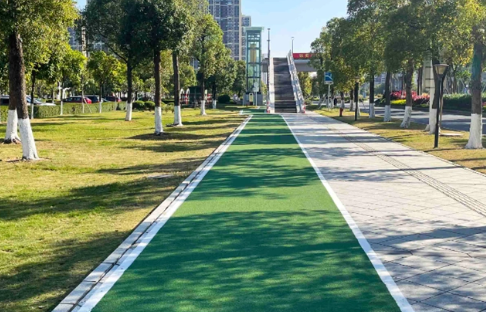
Bicycle lanes and shared mobility corridors
Pedestrian crossings and school zones
Highway ramps, curves, and tunnel entrances
Parking lots and commercial complexes
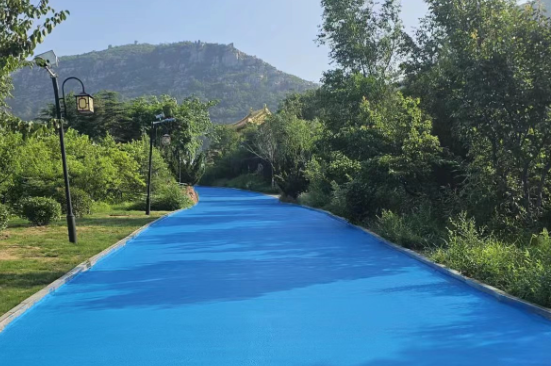
Tourist attractions and scenic roads for visual enhancement
Each application benefits from improved grip and clearer road guidance, reducing both minor collisions and serious accidents.
H2
The Future of Road Safety Infrastructure
As cities continue to grow and traffic systems become more complex, the demand for intelligent and visually guided road surfaces is increasing.
Colored anti-skid road surfacing is moving from a “special use” solution to a mainstream infrastructure standard. With advancements in eco-friendly binders, low-VOC formulations, and longer-lasting pigments, future systems will be even more sustainable and cost-effective.
In the coming years, we can expect wider adoption in smart cities, green transportation corridors, and high-density urban environments.
Conclusion
Colored anti-skid road surfacing is not just a material upgrade—it is a complete rethink of how roads communicate with drivers and pedestrians. By combining safety, visibility, and durability, it is actively reshaping the future of road infrastructure worldwide.