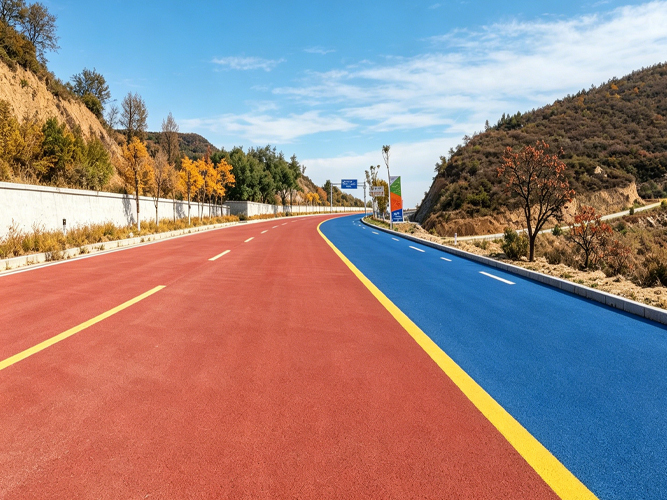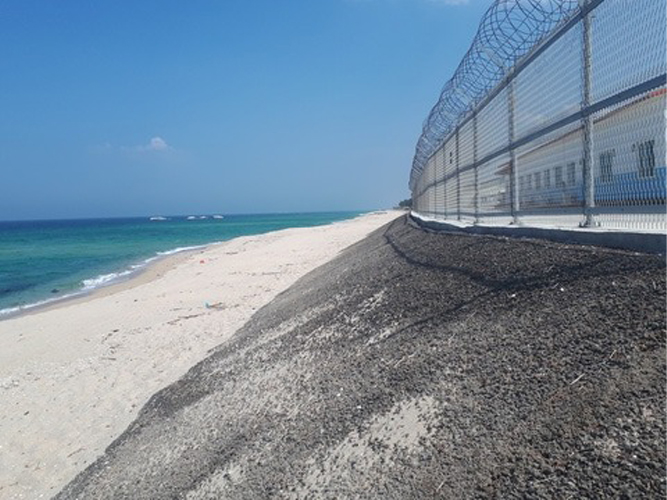
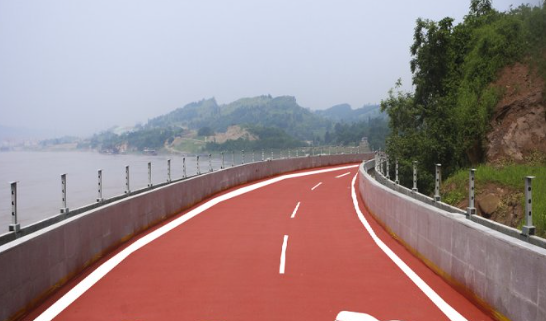
Rapid-curing colored pavement is an advanced surfacing solution designed for road engineering projects that require fast installation, minimal traffic disruption, and high-performance durability. It is widely used in urban roads, highways, intersections, bridges, bus lanes, bicycle paths, and maintenance zones where construction time must be minimized without compromising safety or quality.
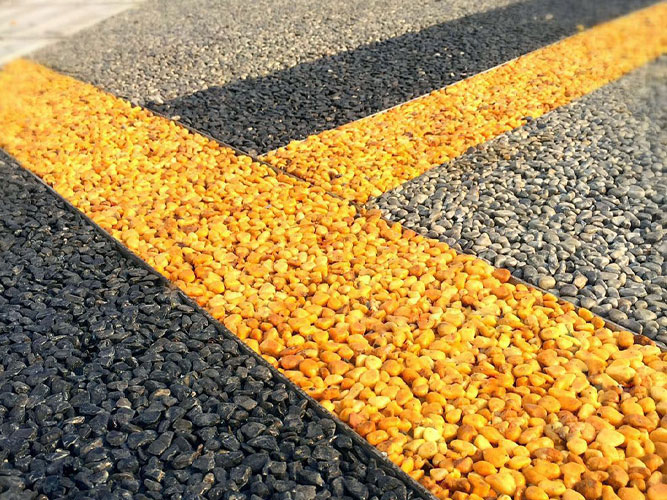
Rapid-curing colored pavement refers to a high-performance coating or surfacing system that hardens quickly after application. It is typically based on fast-reacting resin binders combined with colored and anti-skid aggregates, forming a durable, high-friction surface within a short time frame.
Common system components include:
Fast-curing resin binders MMA resin system
Colored ceramic or mineral aggregates
Anti-slip quartz or bauxite particles
Stabilizing additives for weather resistance
This combination allows the pavement to reach usable strength in a short period, sometimes within one to two hours depending on temperature and system type.
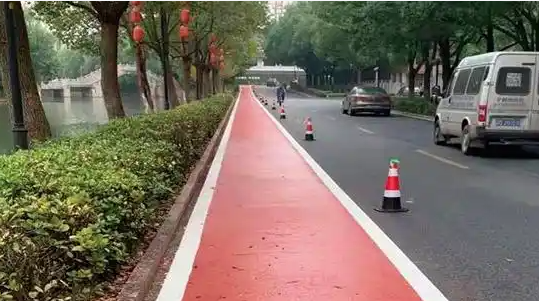
One of the biggest advantages of rapid-curing systems is their ability to significantly reduce road closure time. Roads can often be reopened quickly after installation, making them ideal for busy urban networks and emergency repairs.
Despite fast curing, these pavements maintain strong skid resistance. The textured surface improves tire grip and reduces accident risks in critical areas such as intersections, curves, and pedestrian crossings.
Rapid-curing colored pavement is engineered for long-term performance under heavy traffic loads and harsh environmental conditions. It resists:
Abrasion from vehicle traffic
UV radiation and fading
Water and moisture penetration
Temperature fluctuations
The fast reaction time allows for efficient nighttime or off-peak construction. This is particularly important in cities where traffic congestion must be minimized.
Rapid-curing colored pavement is widely used in:
Urban intersections and road repairs
Highway ramps and emergency resurfacing
Bus rapid transit (BRT) lanes
Bicycle and pedestrian corridors
Bridge decks and elevated roads
Airport service roads and logistics zones
These environments benefit most from quick installation and immediate usability.
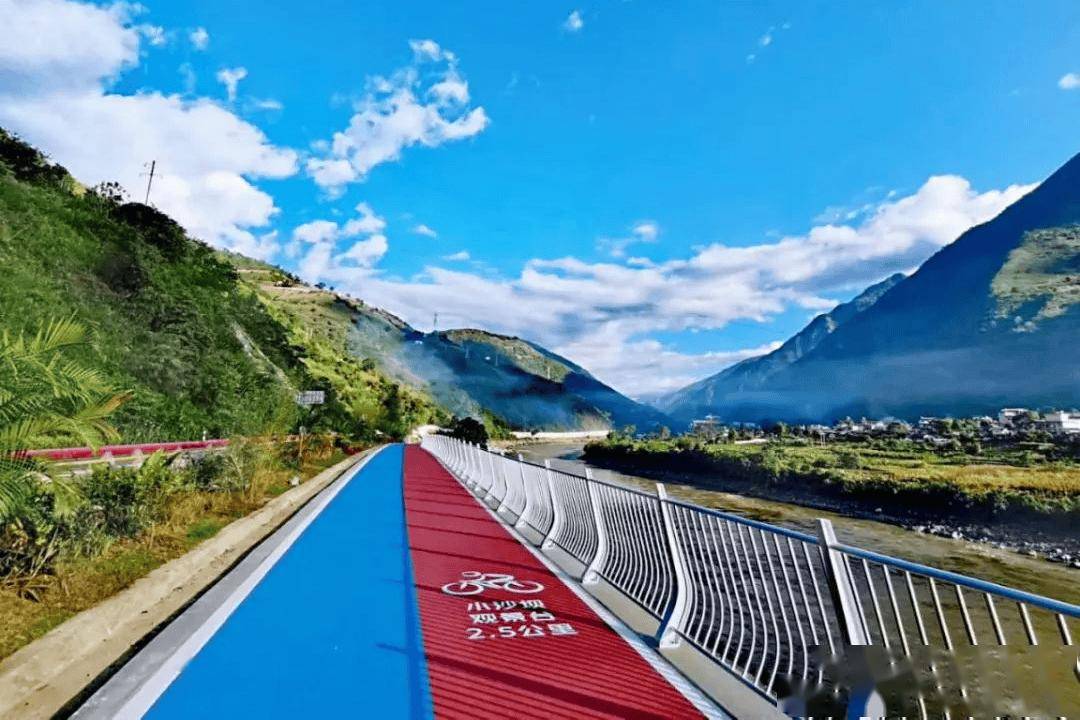
In modern infrastructure planning, speed and efficiency are just as important as durability. Rapid-curing colored pavement supports this demand by enabling:
Faster project completion cycles
Reduced economic impact from road closures
Improved traffic management during construction
Enhanced safety through high-friction colored surfaces
It is especially valuable for smart city development and urban renewal projects where continuous traffic flow is critical.
Rapid-curing colored pavement has become an essential material in modern road engineering due to its combination of fast installation, strong durability, and high safety performance. By reducing downtime and improving surface friction, it provides a practical solution for cities and transportation authorities aiming to build safer and more efficient road systems.
As construction technology continues to evolve, rapid-curing systems will play an increasingly important role in future infrastructure development.