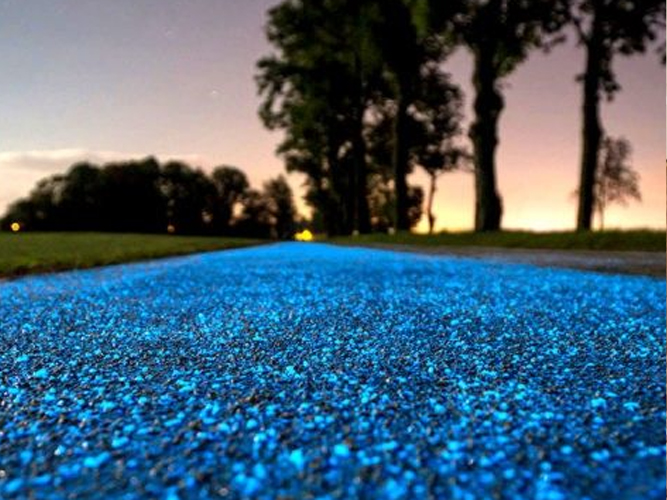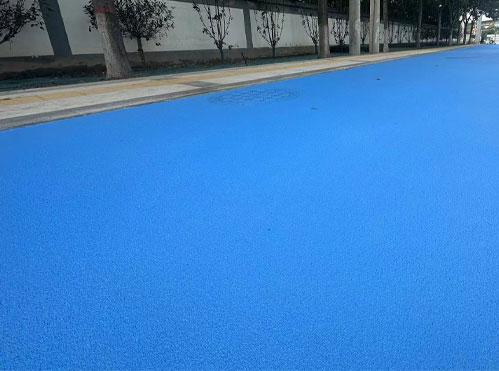
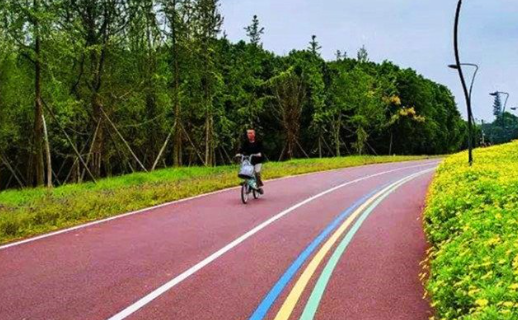
Colored pavement improves traffic safety by combining visual guidance, surface friction, and functional road zoning into a single system. In modern transportation engineering, it is widely used to reduce accidents, enhance driver awareness, and improve the overall organization of urban and highway traffic networks.
One of the main safety benefits of colored pavement is its ability to provide immediate visual cues. Unlike standard gray asphalt, colored surfaces stand out clearly and help road users quickly identify different functional zones.
For example:
Red areas signal bus lanes or high-priority zones
Green indicates bicycle paths
Blue highlights pedestrian or shared spaces
Yellow marks warning or conflict areas
This visual coding reduces confusion and improves decision-making time, especially in complex intersections.
Many colored pavement systems are designed as high-friction surfaces, using aggregates such as ceramic particles or calcined bauxite. This textured surface significantly improves tire grip and reduces slipping.
Safety improvements include:
Shorter braking distance on wet roads
Better control during cornering
Reduced risk of skidding at intersections
Improved pedestrian traction in crossings
This is especially important in rainy or high-traffic conditions.
Colored pavement is often installed in locations where accidents are more likely to occur, such as:
Intersections and roundabouts
Highway ramps and curves
School and hospital zones
Pedestrian crossings
Bus rapid transit corridors
By increasing visibility and friction in these areas, accident risk is significantly reduced.
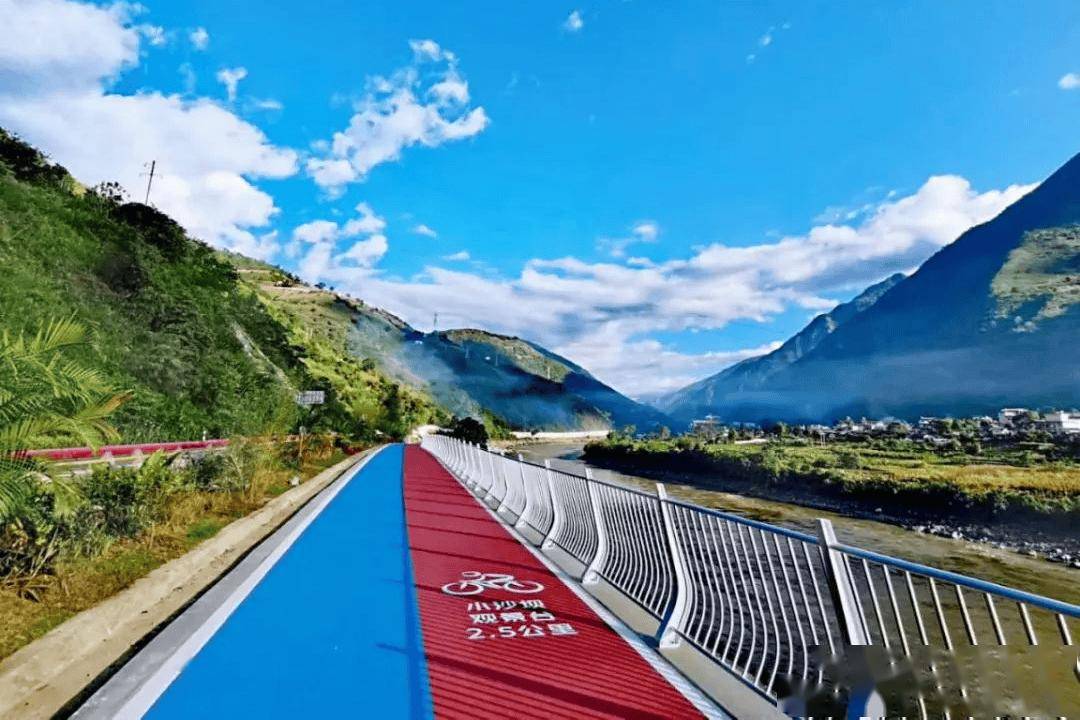
Bright and contrasting pavement colors help drivers recognize road conditions earlier. This improves reaction time when approaching:
Sudden lane changes
Pedestrian crossings
Stop lines and intersections
Speed reduction zones
Earlier recognition leads to smoother and safer driving behavior.
Colored pavement helps define clear boundaries between different types of traffic. This reduces conflicts between vehicles, cyclists, and pedestrians.
Benefits include:
Fewer lane violations
Reduced illegal parking in restricted zones
Clear separation of mobility types
More orderly traffic flow
Better organization naturally leads to fewer accidents.
In rain, fog, or nighttime conditions, traditional road markings can become difficult to see. Colored pavement provides a larger, more visible surface area that remains easier to identify.
This improves:
Night driving safety
Wet-weather visibility
Tunnel and underpass navigation
Pedestrian crossing awareness
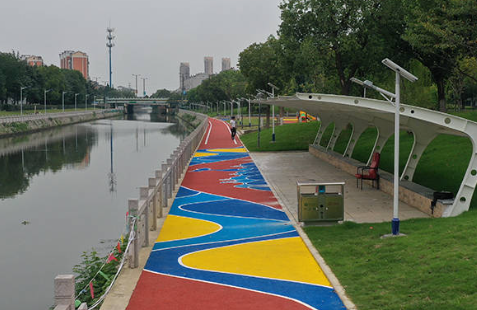
Color also influences driver behavior. Bright or contrasting pavement areas naturally encourage drivers to slow down and pay more attention.
This is especially effective in:
School zones
Residential streets
Commercial pedestrian areas
Shared mobility spaces
The visual change in surface conditions acts as a subtle warning signal.
In modern smart cities, colored pavement is used as part of integrated traffic management strategies. It works alongside signage, signals, and lane control systems to create a more intuitive transport environment.
It supports:
Dedicated bus and bicycle networks
Safer pedestrian corridors
Data-driven urban planning
Clear mobility hierarchy
Colored pavement improves traffic safety by enhancing visibility, increasing surface friction, organizing traffic flow, and reducing driver reaction time. Its combination of functional and visual benefits makes it an essential tool in modern road design.
As urban traffic becomes more complex, colored pavement systems will continue to play a key role in creating safer, more efficient, and more user-friendly transportation environments.