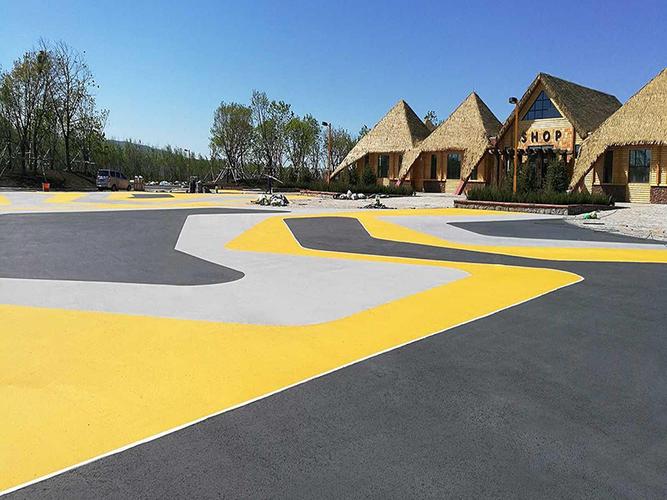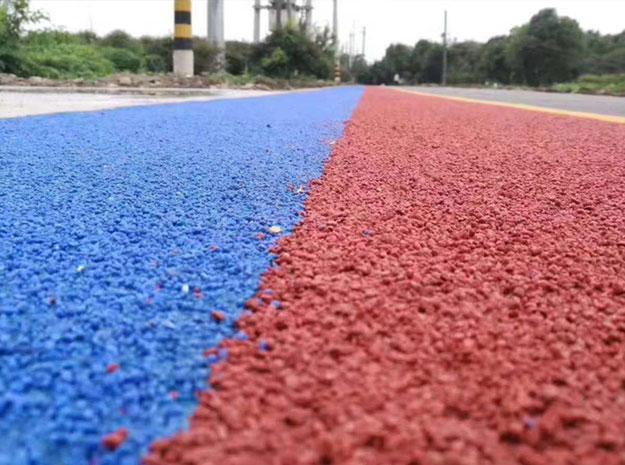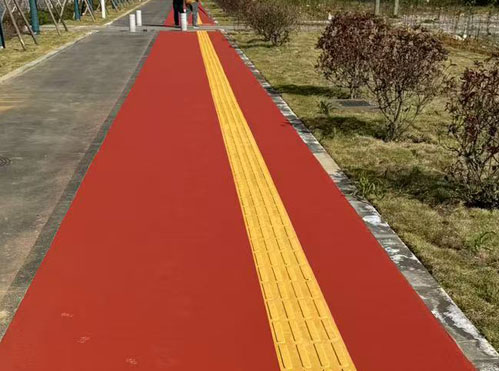
As cities around the world invest in safer, smarter, and more attractive transportation infrastructure, colored asphalt has become an increasingly popular pavement solution. Once used primarily for decorative purposes, colored asphalt is now recognized for its ability to improve road safety, enhance traffic management, and support sustainable urban development. While it may require a higher initial investment than traditional black asphalt, the long-term benefits often make it well worth the cost.
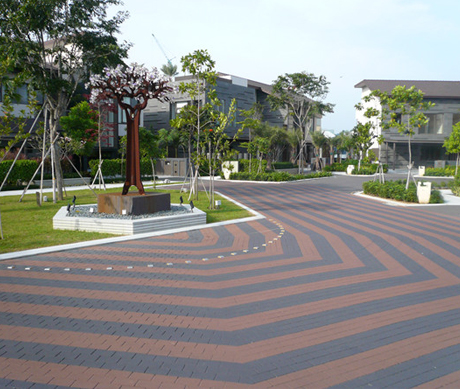
Colored asphalt is a pavement system that uses pigments, colored binders, or surface coatings to create visually distinctive road surfaces. Common colors include red, green, blue, yellow, and brown, each serving different traffic and design purposes.
Colored asphalt is widely used for:
Bicycle lanes
Pedestrian crossings
Bus lanes
School zones
Traffic-calming areas
Parks and recreational paths
Scenic roads
Commercial and residential developments
One of the strongest reasons to choose colored asphalt is its contribution to road safety.
Brightly colored surfaces help road users quickly recognize designated traffic zones. Cyclists can easily identify bike lanes, pedestrians can locate crossing areas, and drivers can better understand roadway layouts. This visual guidance reduces confusion and lowers the risk of accidents.
In many cases, colored asphalt is also combined with anti-slip aggregates that improve traction and braking performance, especially during wet weather conditions.
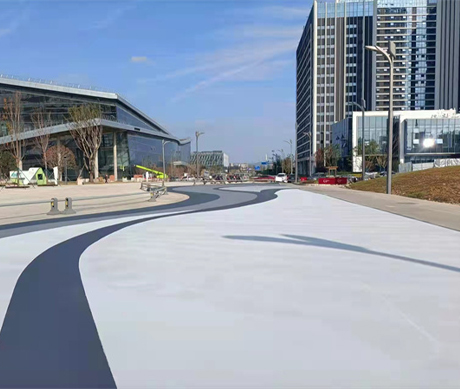
Colored asphalt serves as an effective traffic management tool. Different colors can be assigned to specific functions, creating a clear visual language for road users.
For example:
Red lanes often indicate bicycle routes.
Green surfaces may highlight shared-use paths.
Colored intersections draw attention to conflict areas.
Special colors can designate bus-only lanes.
This improves traffic flow and helps all road users navigate more efficiently.
Traditional black asphalt can sometimes blend into the surrounding environment, especially during poor weather or low-light conditions. Colored asphalt provides greater visual contrast and makes important roadway features easier to recognize.
Improved visibility is particularly valuable in:
School zones
Busy intersections
Pedestrian-heavy districts
Urban cycling networks
Traffic-calming installations
The result is a safer and more user-friendly transportation environment.
Modern colored asphalt systems are designed to withstand demanding traffic and environmental conditions. Advanced materials such as MMA resins, epoxy binders, and polymer-modified coatings provide excellent resistance to:
Abrasion
UV exposure
Weathering
Heavy traffic
Chemical contamination
When properly installed and maintained, colored asphalt can deliver many years of reliable performance while retaining its appearance.
Painted road markings often fade over time and require regular repainting. Colored asphalt provides a more durable visual solution because the color is integrated into the pavement system itself.
This can reduce maintenance costs and minimize disruptions caused by frequent repainting operations.
Modern cities place increasing importance on attractive public spaces. Colored asphalt contributes to a cleaner, more organized, and visually appealing streetscape.
Whether used in parks, city centers, campuses, or tourist destinations, colored pavement helps create a stronger sense of place and enhances the overall urban environment.
Many contemporary colored asphalt products use water-based technologies and low-VOC materials, reducing environmental impact during installation.
In addition, lighter-colored pavement surfaces can reflect more sunlight than traditional dark asphalt, helping reduce surface temperatures and contributing to efforts to mitigate urban heat island effects.
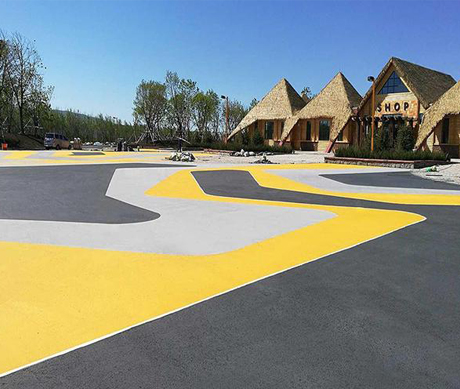
Although colored asphalt generally costs more than conventional asphalt initially, the long-term value can be substantial. Benefits include:
Improved road safety
Reduced accident risks
Better traffic flow
Lower maintenance of markings
Enhanced urban aesthetics
Greater public satisfaction
Longer service life for specialized applications
For municipalities, developers, and transportation agencies, these advantages often outweigh the higher upfront costs.
Colored asphalt is more than a decorative pavement solution. It combines safety, functionality, durability, and visual appeal in a single system. By improving visibility, enhancing skid resistance, organizing traffic more effectively, and creating attractive public spaces, colored asphalt delivers significant long-term benefits. As urban infrastructure continues to evolve, colored asphalt remains one of the most valuable investments for modern roads, bicycle networks, pedestrian areas, and public spaces.