The water-based SP pavement system is an advanced, environmentally friendly road surfacing technology designed for urban infrastructure, traffic safety improvement, and surface functional enhancement. It is widely used in bike lanes, pedestrian crossings, bus lanes, parking areas, and municipal road projects where durability, skid resistance, and sustainability are key requirements.
Compared with traditional solvent-based coatings, the water-based SP system uses water as the dispersion medium, making it safer, lower in emissions, and more suitable for modern green city development.
A water-based SP pavement system is a specialized thin-layer surfacing material composed of polymer-modified emulsions, high-strength aggregates, fillers, and functional additives. After application, it forms a durable, textured, and anti-slip surface with improved visibility and long-term performance.
Typical system components include:
Water-based polymer resin binder
High-friction aggregates (ceramic or mineral-based)
Mineral fillers for stability
Color pigments for visual guidance
Performance additives for curing and adhesion
This system is engineered to deliver both safety performance and environmental compliance.
One of the most important benefits of the water-based SP pavement system is its environmental performance. Since it uses water as the primary carrier instead of organic solvents, it significantly reduces harmful emissions.
Benefits include:
Low VOC emissions
Reduced environmental impact during construction
Safer working conditions for installers
Compliance with green building standards
This makes it ideal for sustainable urban infrastructure projects.
The system is designed with high-friction aggregates that create a rough surface texture, improving tire grip and pedestrian safety.
Key performance features include:
Strong wet-weather skid resistance
Reduced braking distance
Improved vehicle control in curves and intersections
Enhanced pedestrian traction in walkways
This makes it particularly suitable for high-risk traffic areas.
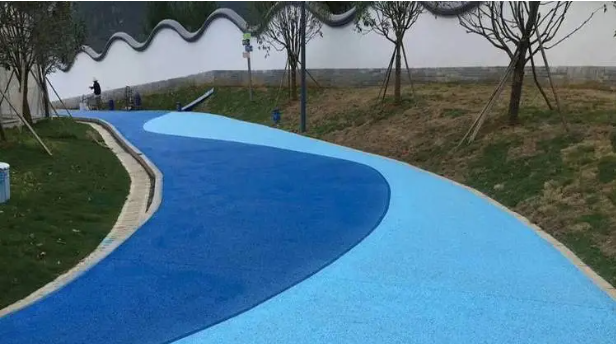
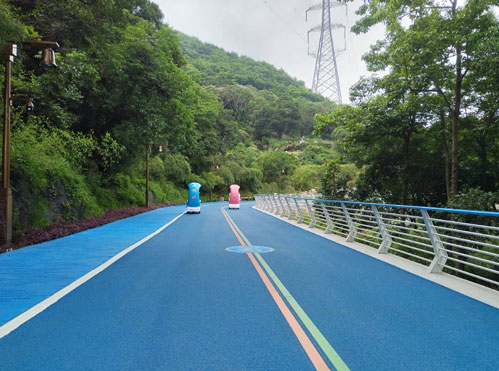
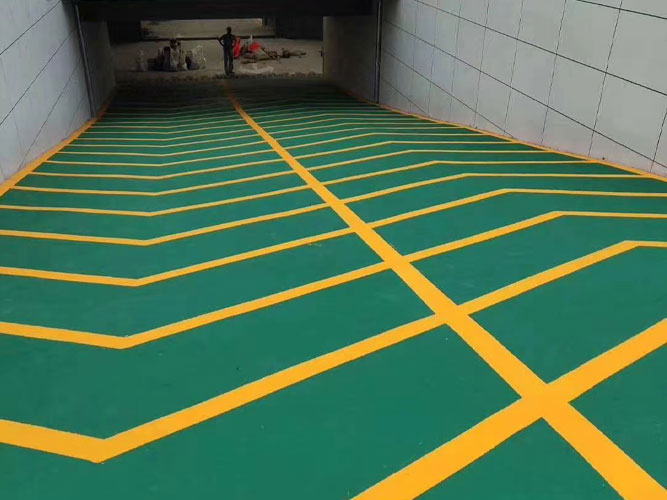
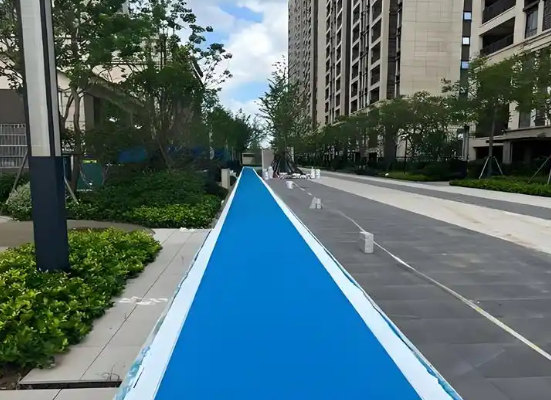
Water-based SP pavement systems are widely used to improve visibility and traffic guidance in urban environments. The colored surface helps define functional road zones clearly.
Common applications include:
Bicycle lanes (green surfacing)
Bus lanes (red surfacing)
Pedestrian crossings
School zones and safety areas
Intersection warning zones
This visual differentiation improves road user awareness and reduces accidents.
Despite being water-based, the SP pavement system offers strong durability and resistance to environmental stress.
Performance advantages include:
UV resistance and color stability
Strong adhesion to asphalt and concrete surfaces
Resistance to rain and moisture penetration
Long-term surface texture retention
Good wear resistance under urban traffic
This ensures long service life with stable performance.
Water-based SP pavement systems are designed for efficient application and quick curing, making them suitable for busy urban roads.
Construction benefits include:
Rapid drying and curing time
Short road closure periods
Night-time construction capability
Quick reopening to traffic
Easy maintenance and repair
This reduces inconvenience in high-traffic city environments.
The water-based SP pavement system is highly versatile and suitable for many types of urban infrastructure projects, including:
Urban arterial roads
Bicycle lane systems
Pedestrian walkways and plazas
Bus rapid transit corridors
Parking lots and commercial zones
School and hospital safety zones
Public parks and recreational areas
Its flexibility makes it a preferred solution for municipalities and contractors.
Water-based SP pavement supports sustainable development goals by reducing environmental impact while improving transportation safety.
Sustainability benefits include:
Reduced carbon footprint
Water-based, low-toxicity formulation
Longer pavement service life
Reduced maintenance frequency
Support for green transportation systems
It aligns well with smart city and eco-friendly infrastructure strategies.
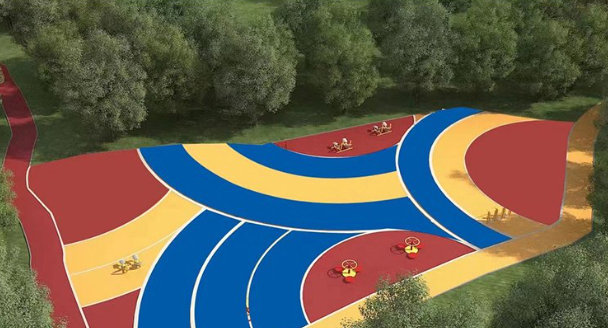
In addition to its technical performance, the SP system also enhances urban aesthetics. Colored surfaces help create organized and visually appealing public spaces.
Design applications include:
Modern city streetscapes
Tourism and cultural districts
Waterfront and park pathways
Commercial pedestrian zones
Urban landscape projects
This combination of safety and design improves overall city image.
As urban infrastructure continues to evolve, water-based SP pavement systems are expected to advance in several key areas:
Improved durability and wear resistance
Enhanced color stability and UV protection
Faster curing formulations
Higher friction performance materials
Integration with smart traffic systems
The water-based SP pavement system represents a modern, sustainable, and high-performance solution for urban road surfacing. By combining eco-friendly materials with strong anti-skid and visual guidance functions, it plays an important role in improving traffic safety and supporting green city development.
As cities move toward smarter and more sustainable infrastructure, water-based SP pavement systems will continue to be a key technology in modern transportation engineering.