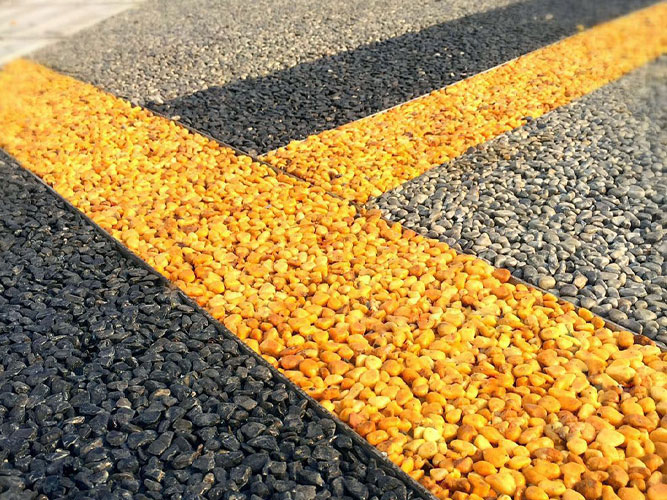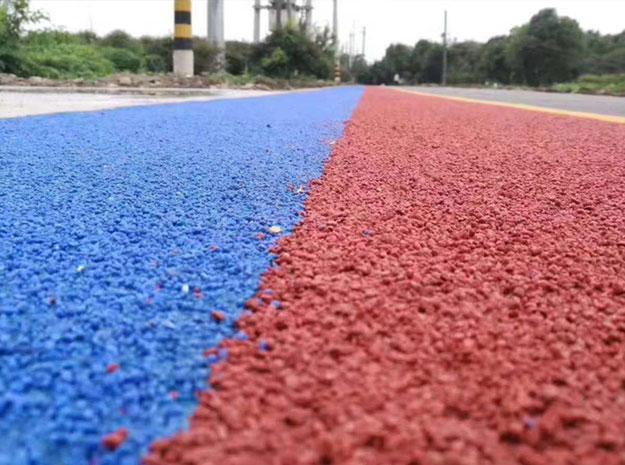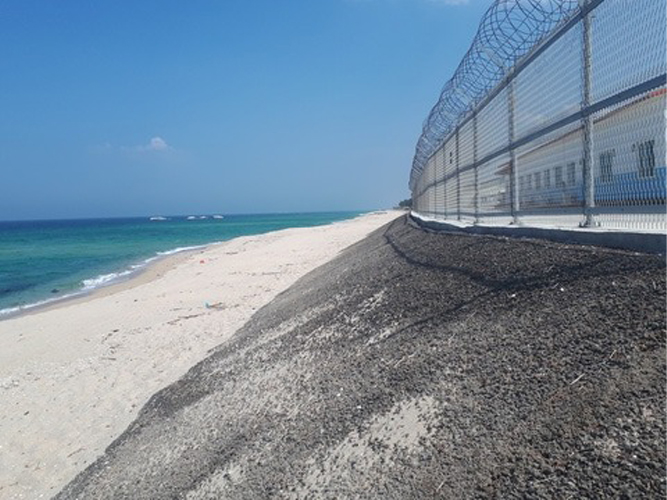
Urban roads are the backbone of modern cities, carrying heavy traffic while serving pedestrians, cyclists, and public transportation. Renovating these roads with colored anti-skid pavement provides an effective solution to enhance safety, improve aesthetics, and extend pavement lifespan. This approach is increasingly adopted in urban infrastructure projects to create safer, more organized, and visually appealing streets.
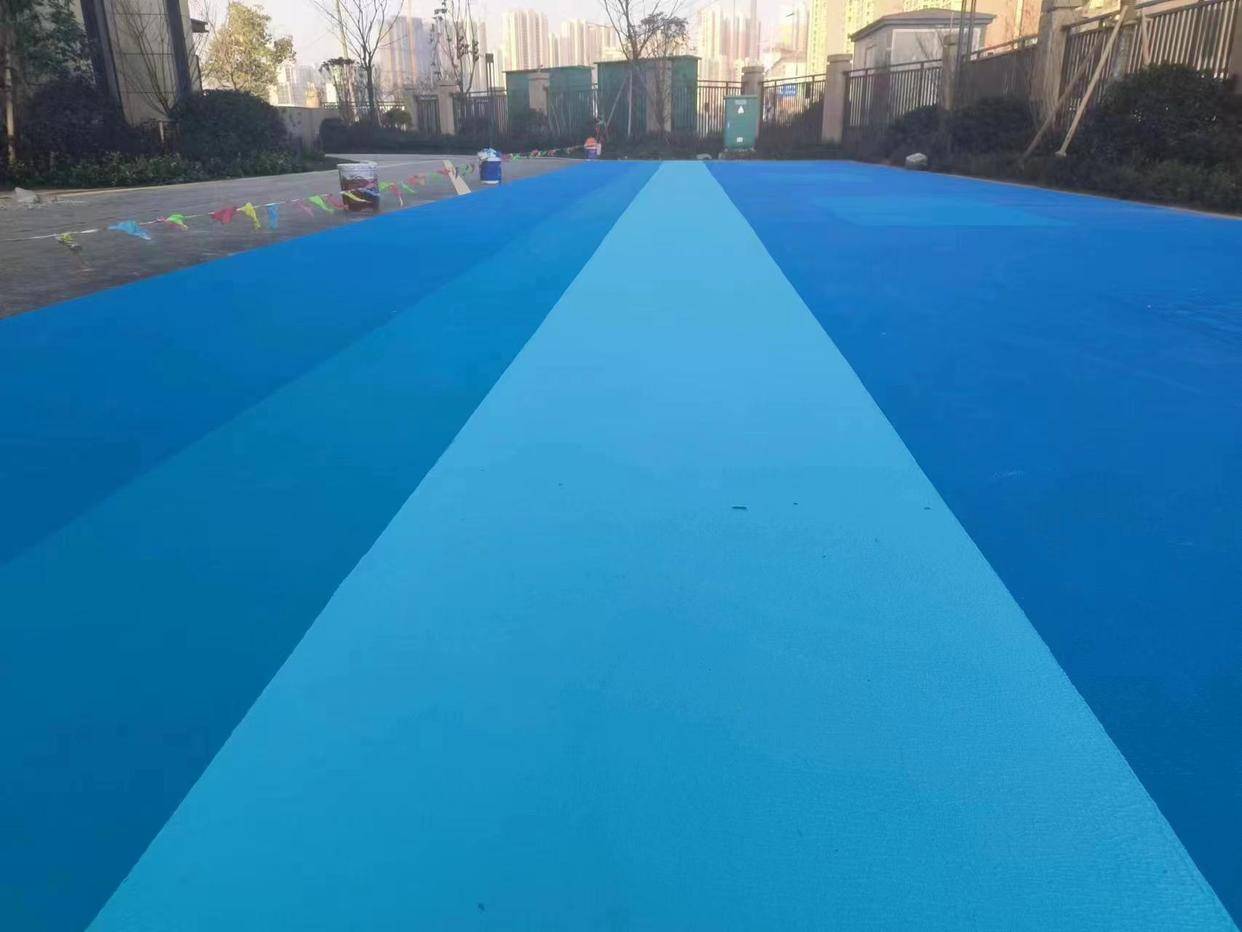
Safety Improvement is the primary benefit of using colored anti-skid pavement in road renovation. By integrating high-friction aggregates with durable resin binders such as MMA, epoxy, or polyurethane, the pavement surface offers excellent traction under both dry and wet conditions. This reduces the risk of vehicle skidding and pedestrian accidents, particularly at intersections, ramps, bus lanes, and sharp curves. Enhanced skid resistance is crucial in urban environments with high traffic density.
Durability and Longevity are critical for city roads that endure constant stress from vehicles and environmental factors. High-quality colored anti-skid pavement resists abrasion, heavy loads, UV exposure, and temperature fluctuations. This ensures that renovated roads maintain their structural integrity and anti-skid performance over time, reducing maintenance frequency and long-term costs. The use of resilient materials allows roads to withstand daily wear without cracking, fading, or losing texture.
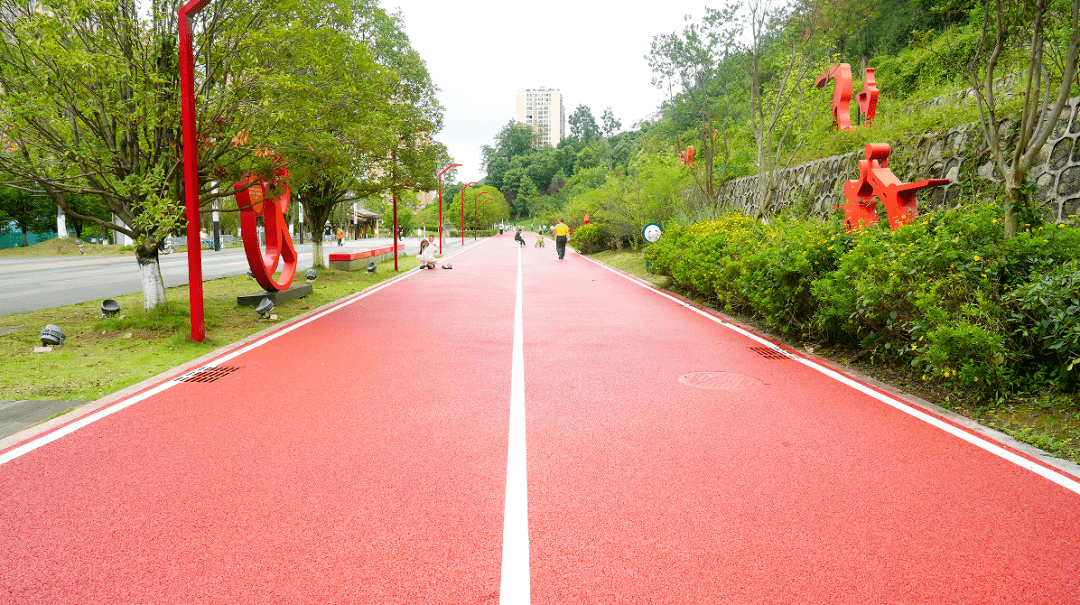
Traffic Organization and Visual Guidance is another advantage. The use of color not only beautifies urban roads but also serves functional purposes. Different colors can highlight bus lanes, bicycle paths, pedestrian zones, or traffic-calming areas. These visual cues enhance driver awareness, streamline traffic flow, and improve pedestrian safety. Color-coded pavement also makes the streets more user-friendly and intuitive for residents and visitors.
Efficient Renovation Process makes colored anti-skid pavement suitable for urban road projects. Fast-curing systems allow roads to reopen shortly after construction, minimizing traffic disruption. Additionally, the pavement can be applied over existing asphalt or concrete surfaces, reducing the need for complete reconstruction and saving time and costs.
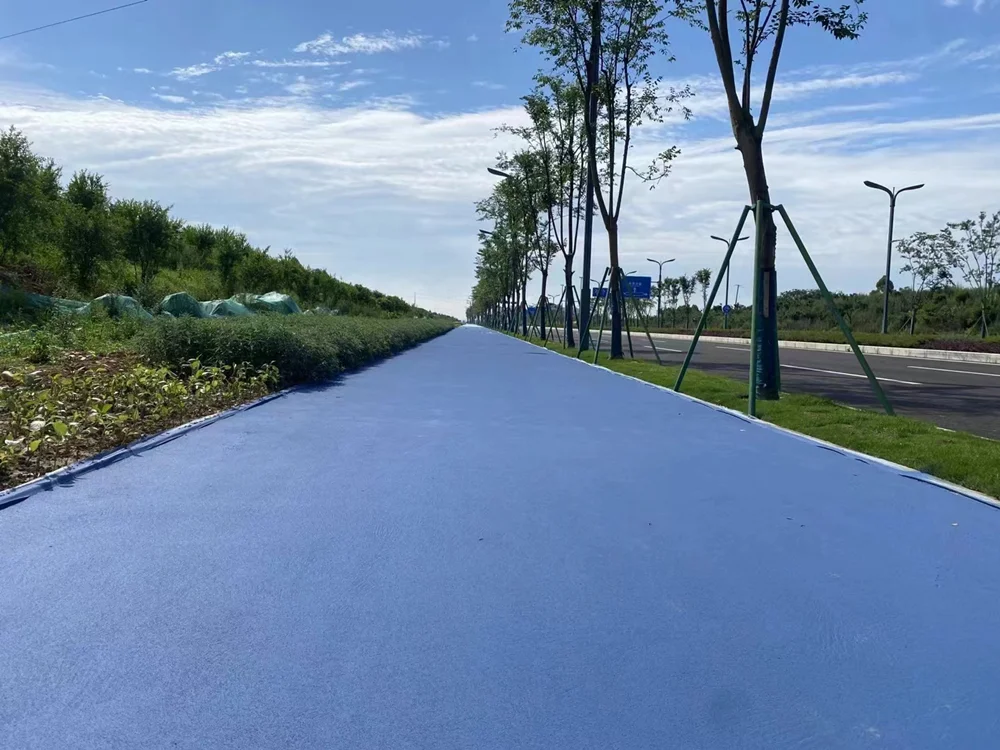
Environmental Considerations are increasingly important in urban planning. Many modern colored anti-skid pavements are eco-friendly, using low-VOC materials and reflective pigments to reduce heat absorption. Some systems improve surface drainage and contribute to sustainable urban infrastructure.
In summary, renovating urban roads with colored anti-skid pavement provides a comprehensive solution for modern cities. It enhances safety, ensures long-lasting performance, improves traffic organization, and creates visually appealing streetscapes. By integrating functionality with aesthetics, colored anti-skid pavement helps cities build safer, smarter, and more sustainable road networks.