Cities around the world are increasingly adopting colored anti-skid pavement coatings as part of modern urban infrastructure upgrades. This trend is driven by the need for safer roads, better traffic organization, and improved visual identity in densely populated urban environments.
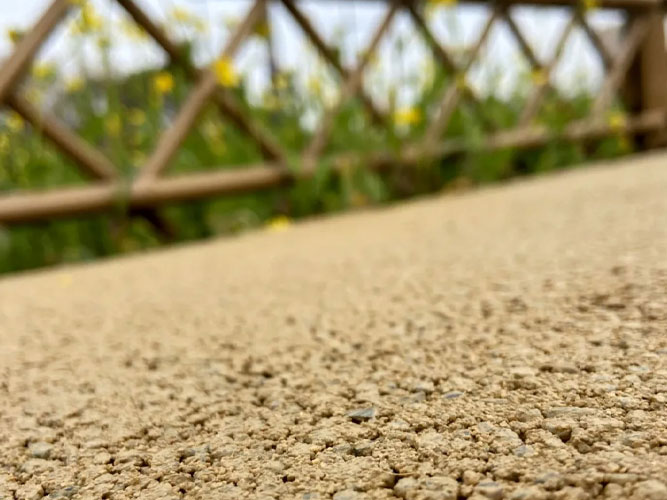
One of the main reasons cities prefer these coatings is enhanced road safety. The anti-skid surface texture provides strong friction, helping vehicles maintain better control during braking, turning, and wet-weather conditions. This is especially important at intersections, pedestrian crossings, ramps, and other high-risk areas where accidents are more likely to occur.
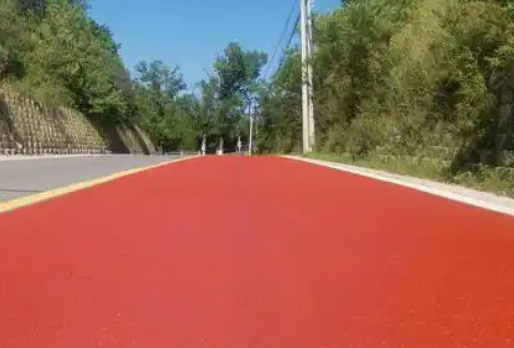
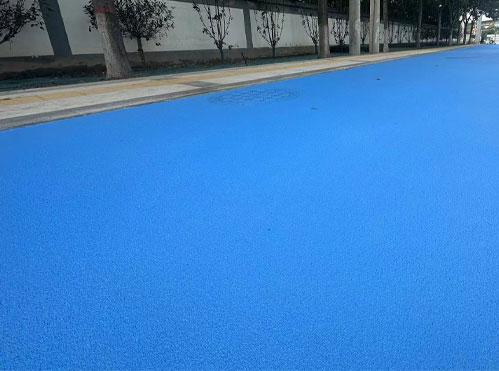
Another key advantage is improved traffic visibility and guidance. Bright and clearly defined colors help distinguish different road functions such as bicycle lanes, bus lanes, pedestrian zones, and restricted areas. This visual separation makes it easier for drivers and pedestrians to understand road usage, reducing confusion and improving traffic flow efficiency.
Urban planners also value the contribution of colored coatings to city design and aesthetics. Instead of plain gray asphalt, colored surfaces create a more organized and visually appealing streetscape. This supports modern city branding, tourism development, and public space improvement initiatives.
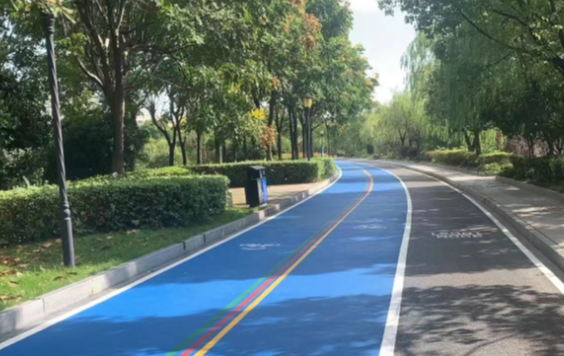
Durability and long-term performance are also important factors. High-quality colored anti-skid coatings are designed to withstand heavy traffic, UV exposure, temperature changes, and harsh weather conditions. Their long service life reduces maintenance frequency and helps cities control infrastructure costs over time.
In addition, many modern coating systems are quick to install and can be applied to existing road surfaces. This minimizes traffic disruption during construction, which is a major concern for busy urban areas.
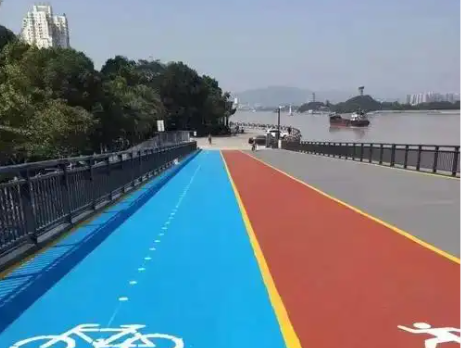
Overall, cities prefer colored anti-skid pavement coatings because they successfully combine safety, functionality, durability, and aesthetics. They provide a practical solution for improving urban mobility while creating cleaner, safer, and more visually structured road environments.