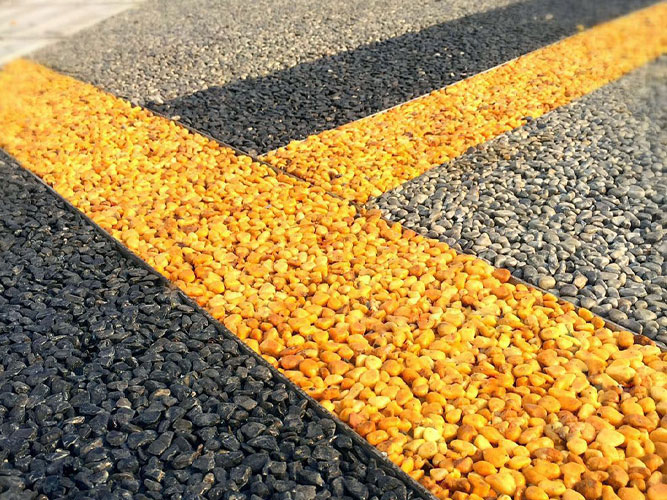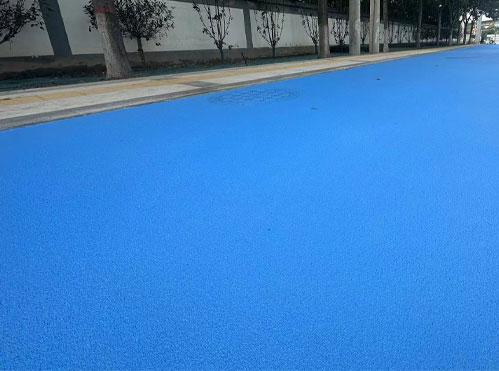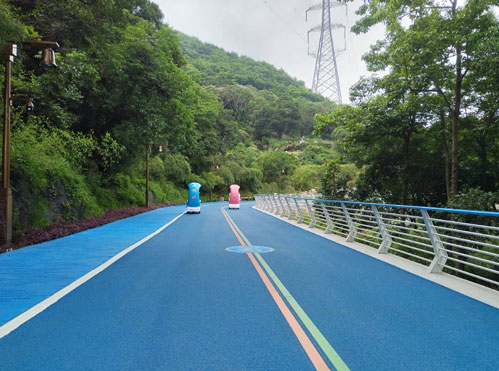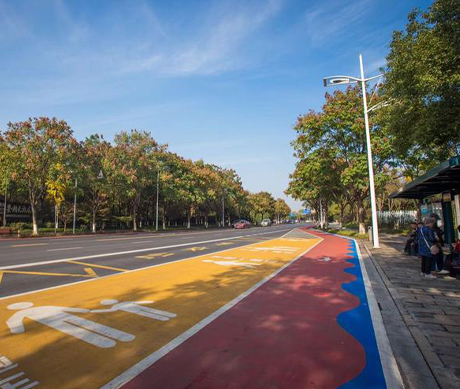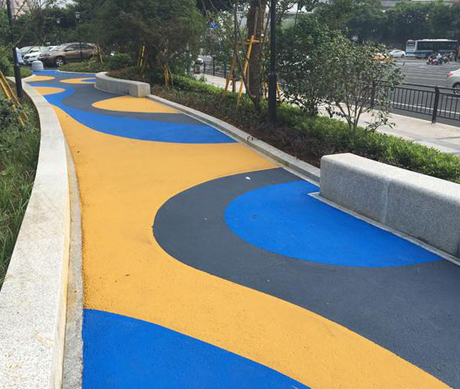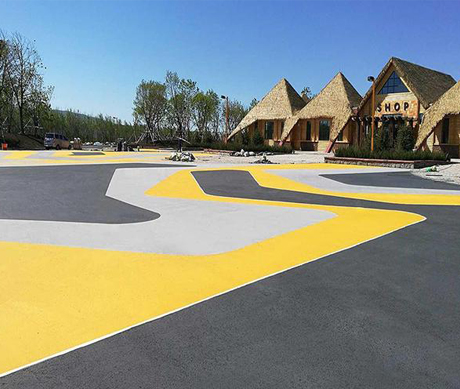
Color anti-slip pavement is an advanced surfacing solution designed to improve both safety and visual guidance on roads, sidewalks, bicycle lanes, parking areas, and pedestrian crossings. By combining high-friction aggregates with durable colored binders, this pavement system provides excellent skid resistance while enhancing the appearance and functionality of urban infrastructure.
|
|
|
One of the main advantages of color anti-slip pavement is improved traffic safety. The textured surface increases tire grip and reduces braking distance, especially during rainy or wet conditions. This helps prevent vehicle skidding and pedestrian slips, making it ideal for intersections, sharp curves, ramps, school zones, and public walkways. Bright surface colors such as red, green, blue, and yellow also improve visibility and guide traffic more effectively.
The system is commonly produced using materials such as MMA resin, epoxy, polyurethane, or water-based coatings combined with ceramic particles or anti-skid aggregates. These materials offer strong adhesion, wear resistance, weather durability, and long service life under heavy traffic conditions. Compared with ordinary asphalt or concrete, colored anti-slip pavement maintains its texture and color for a longer period with minimal maintenance.
In modern cities, colored anti-slip pavement is widely used to separate traffic zones and improve urban road management. Green lanes can indicate bicycle paths, red surfaces can highlight bus lanes or danger zones, and bright pedestrian crossings help drivers recognize high-footfall areas quickly. Besides improving safety, the decorative appearance also enhances the overall image of public spaces.
As cities continue to focus on sustainable and intelligent transportation systems, color anti-slip pavement has become an important solution for safer and more organized roads and walkways. Its combination of durability, visibility, and skid resistance makes it an excellent choice for modern traffic engineering projects.