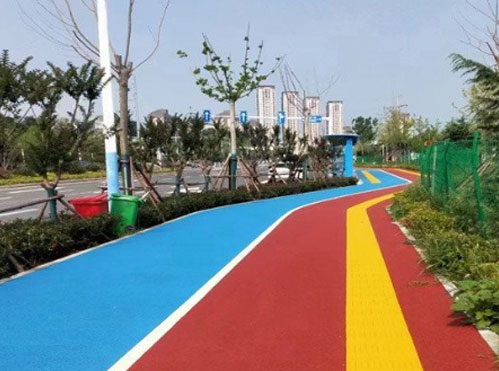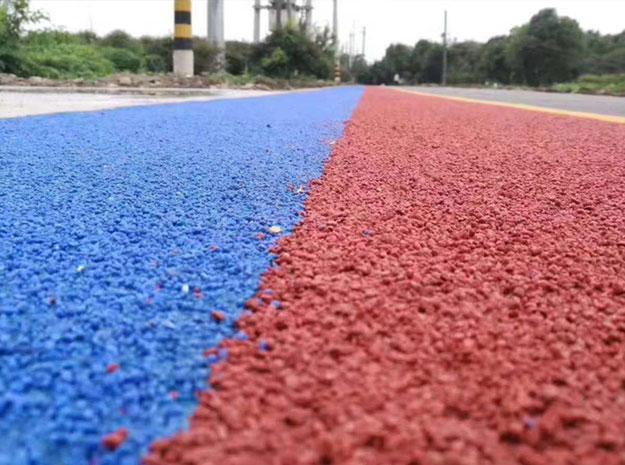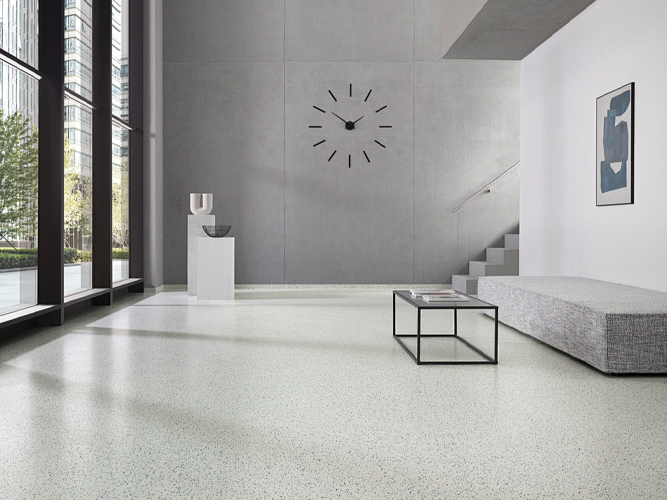
Colored pavement has become an important solution in modern road design, urban planning, and industrial safety management. However, one of the biggest challenges in colored surfacing systems is long-term color fading caused by sunlight exposure. UV-resistant colored pavement technology addresses this issue by maintaining stable color performance while ensuring durability and skid resistance over time.
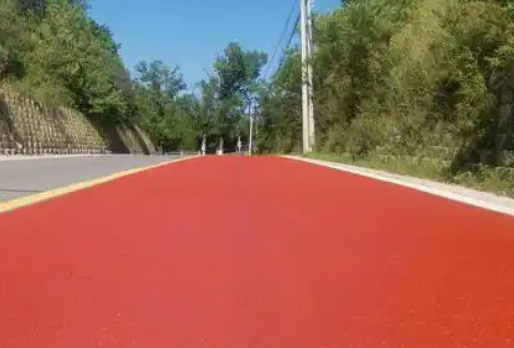
UV-resistant colored pavement is engineered with specialized pigments, high-performance resins, and protective additives that help resist ultraviolet radiation. In standard pavement systems, prolonged sun exposure can lead to fading, discoloration, and surface degradation. UV-resistant systems are designed to maintain color stability even under intense sunlight and harsh outdoor conditions.
One of the key benefits of UV-resistant colored pavement is long-lasting visual clarity. Roads, walkways, bicycle lanes, and safety zones remain clearly visible for extended periods, improving traffic guidance and reducing confusion for both drivers and pedestrians. This is especially important in high-exposure environments such as highways, airports, coastal roads, and open parking areas.
In addition to color stability, these systems also maintain strong anti-skid performance. The textured surface structure provides consistent friction, helping to improve tire grip and reduce slipping risks in both dry and wet conditions. This combination of visibility and safety makes UV-resistant pavement suitable for a wide range of traffic applications.
Durability is another important advantage. UV-resistant systems are designed to withstand not only sunlight but also temperature changes, rain, and heavy traffic loads. This ensures that the pavement retains both its functional and aesthetic properties over time, reducing maintenance frequency and overall lifecycle costs.
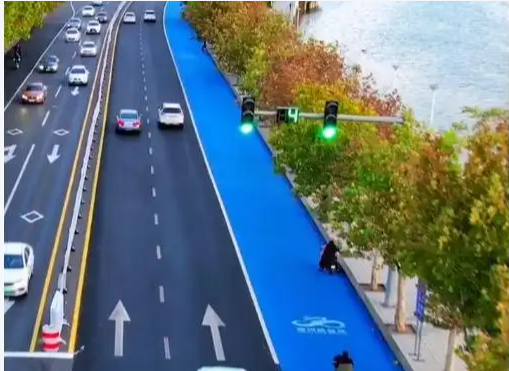
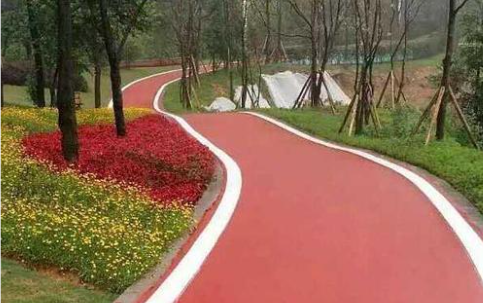
Colored pavement with UV resistance is widely used in urban road marking, pedestrian pathways, bicycle lanes, industrial zones, logistics centers, and recreational areas. It allows designers to use color coding for functional separation while ensuring that the visual system remains effective for years.
Modern UV-resistant technologies also support sustainable infrastructure development. By extending service life and reducing the need for frequent repainting or resurfacing, these systems help lower material consumption and maintenance-related disruptions. This makes them a practical choice for cities aiming to improve both efficiency and environmental performance.
Another important application is in safety-critical zones where visibility must remain consistent under all weather conditions. Examples include school zones, hospital access roads, airport service roads, and emergency vehicle routes. In these areas, fading pavement color can directly impact safety, making UV-resistant systems a valuable upgrade.
As demand for durable and visually clear road systems continues to grow, UV-resistant colored pavement is becoming a standard solution in modern infrastructure projects. By combining long-lasting color stability, skid resistance, and structural durability, it provides a reliable and cost-effective way to maintain both safety and appearance in demanding outdoor environments.