Color Emulsified Micro-surfacing for Road Surface Renovation
Color emulsified micro-surfacing is an advanced pavement preservation technology widely used for renewing and upgrading existing road surfaces. It combines a specially designed asphalt emulsion with fine aggregates, fillers, water, and performance additives to create a thin, durable, and fast-curing surface layer. When applied, it restores road function while also improving safety and aesthetics.
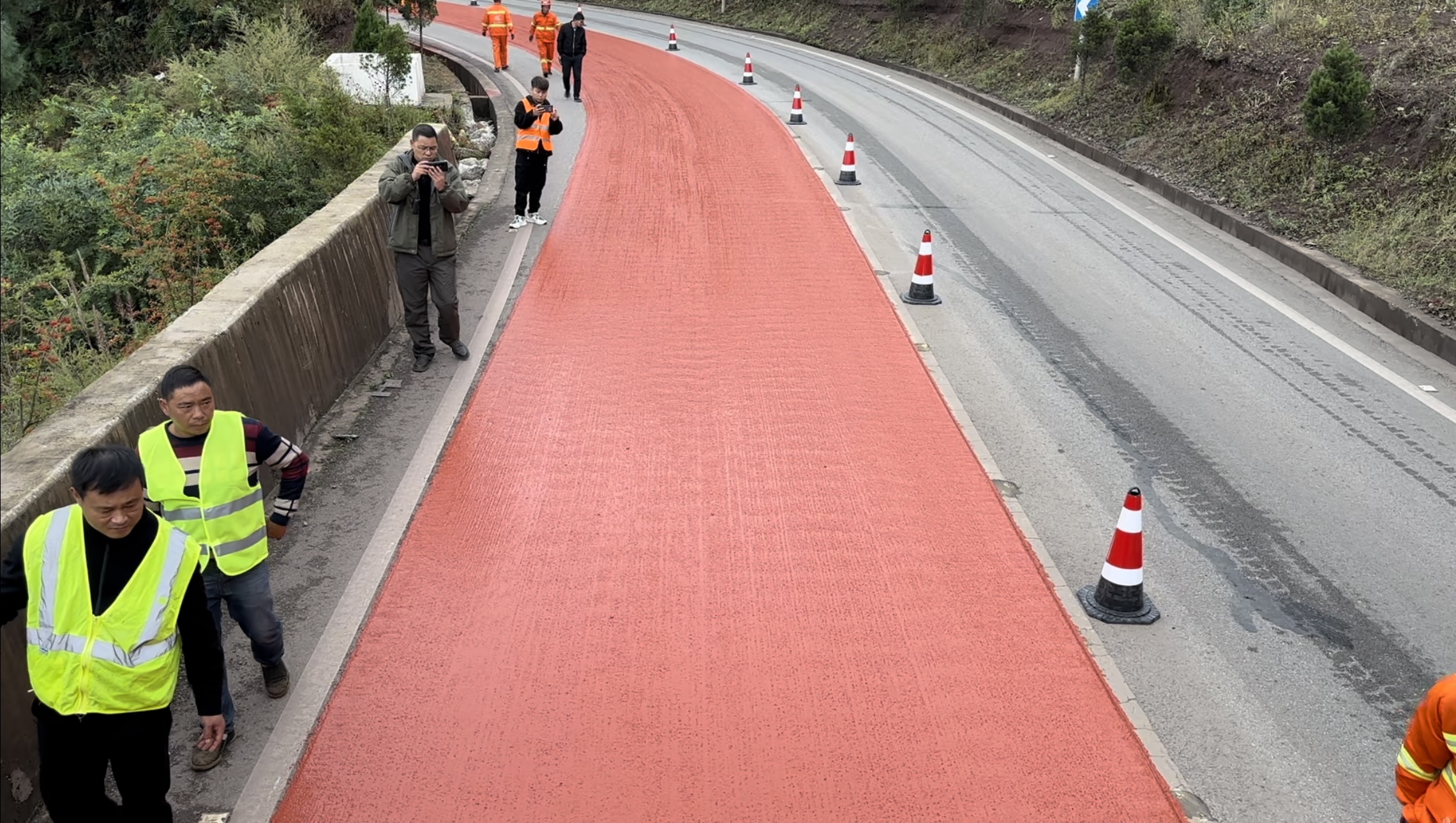
One of the key advantages of this system is its ability to quickly rehabilitate worn or aging pavements without requiring full reconstruction. Instead of removing the old asphalt, the micro-surfacing layer is applied directly on top, filling minor cracks, sealing the surface, and correcting early-stage defects such as raveling and oxidation. This makes it a cost-effective solution for highways, urban roads, and industrial zones.
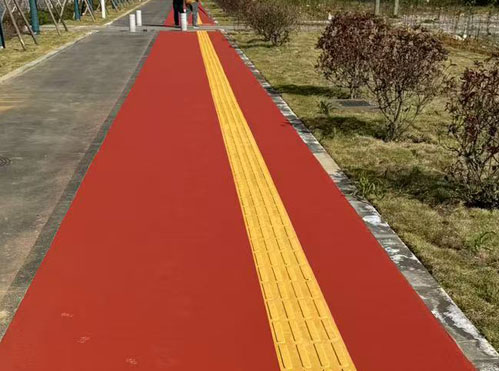
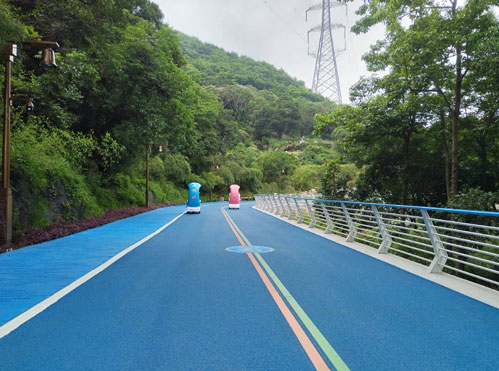
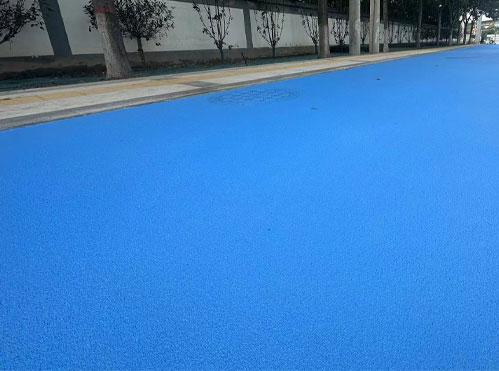
The “color emulsified” aspect refers to the use of pigments or colored aggregates integrated into the emulsion mix. This allows the finished surface to have distinct colors—commonly red, green, or blue—used for functional and visual road zoning. For example, red is often used for bus lanes or high-risk intersections, while green may indicate bike lanes or pedestrian pathways. This improves road readability and helps guide traffic more effectively.
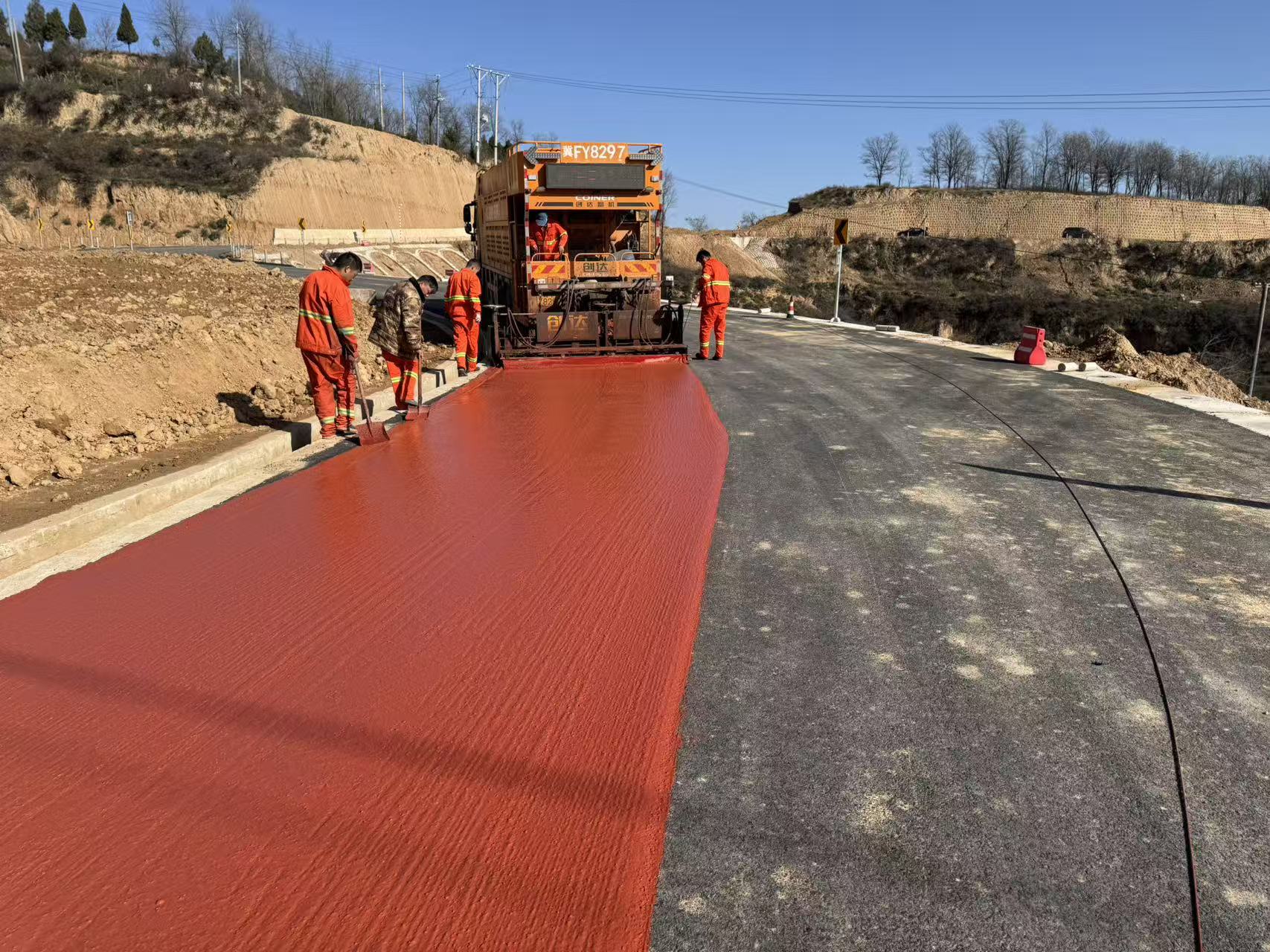
In terms of performance, color emulsified micro-surfacing provides excellent anti-skid properties due to its rough micro-textured surface. The aggregates embedded in the mix create high friction, significantly improving tire grip in both dry and wet conditions. This makes it especially suitable for areas with frequent braking or turning movements, such as roundabouts, school zones, and intersections.
Durability is another major benefit. Once cured, the surface forms a strong bond with the underlying pavement, resisting deformation, oxidation, and water damage. It also performs well under varying climatic conditions, making it suitable for tropical, temperate, and even cold environments when properly formulated.
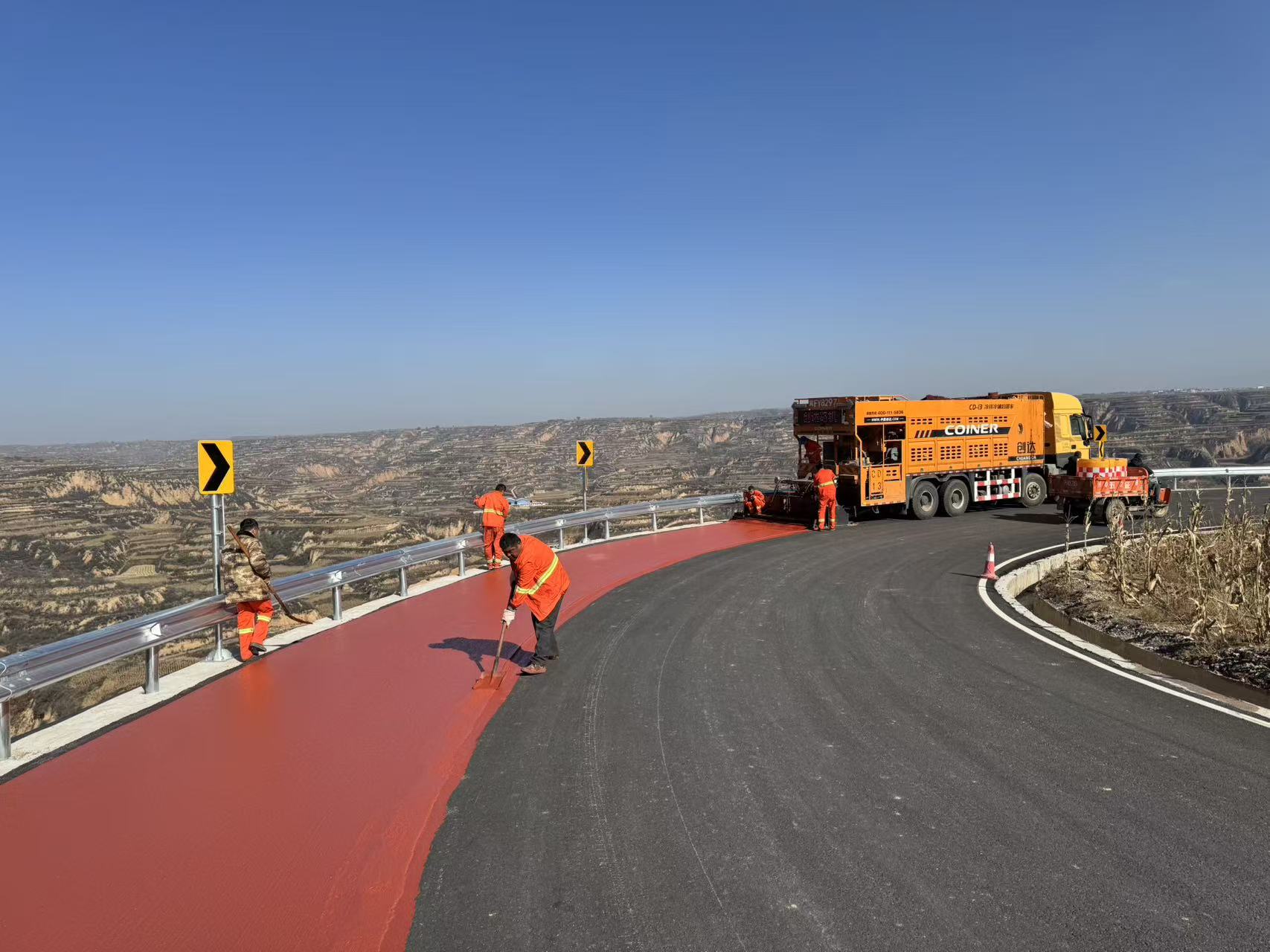
From a construction perspective, one of the biggest advantages is fast application and minimal traffic disruption. The material can typically be applied and opened to traffic within a short period, reducing road closure times and improving maintenance efficiency.
Environmentally, many modern formulations are designed to be low-VOC and energy-efficient, reducing emissions compared to traditional hot-mix asphalt resurfacing. This aligns with sustainable infrastructure goals in modern cities.
In summary, color emulsified micro-surfacing is not just a maintenance technique but a multifunctional road improvement system. It extends pavement life, enhances safety through high friction and color coding, and supports efficient urban traffic management—all while reducing cost and construction downtime.