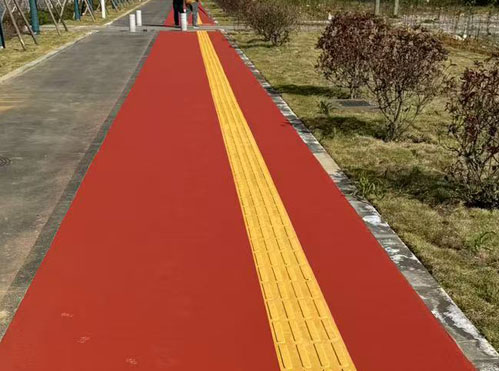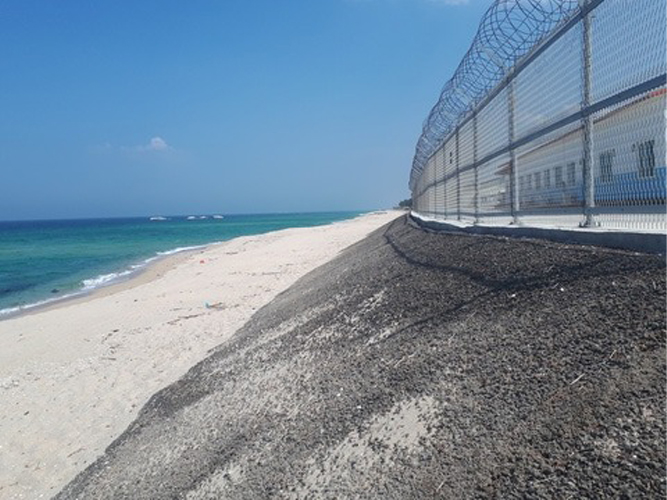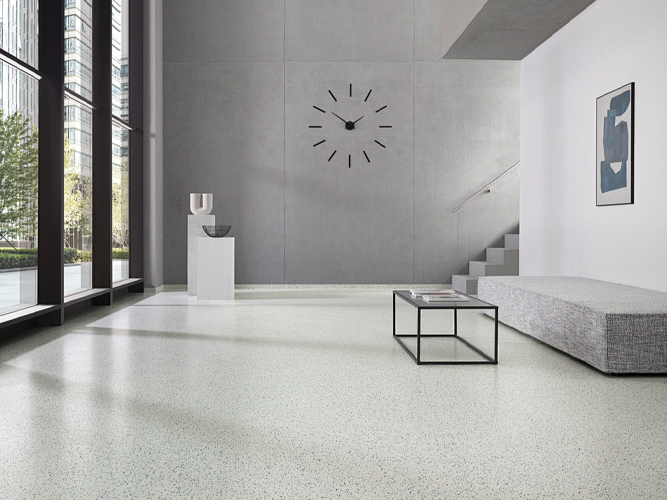
Modern colored slurry surfacing technology is an innovative pavement preservation and enhancement solution that combines durability, safety, and visual appeal. Widely used on urban roads, bicycle lanes, pedestrian pathways, parking lots, bus lanes, and recreational areas, this advanced surfacing system provides a cost-effective way to improve pavement performance while creating distinctive and highly visible road surfaces.
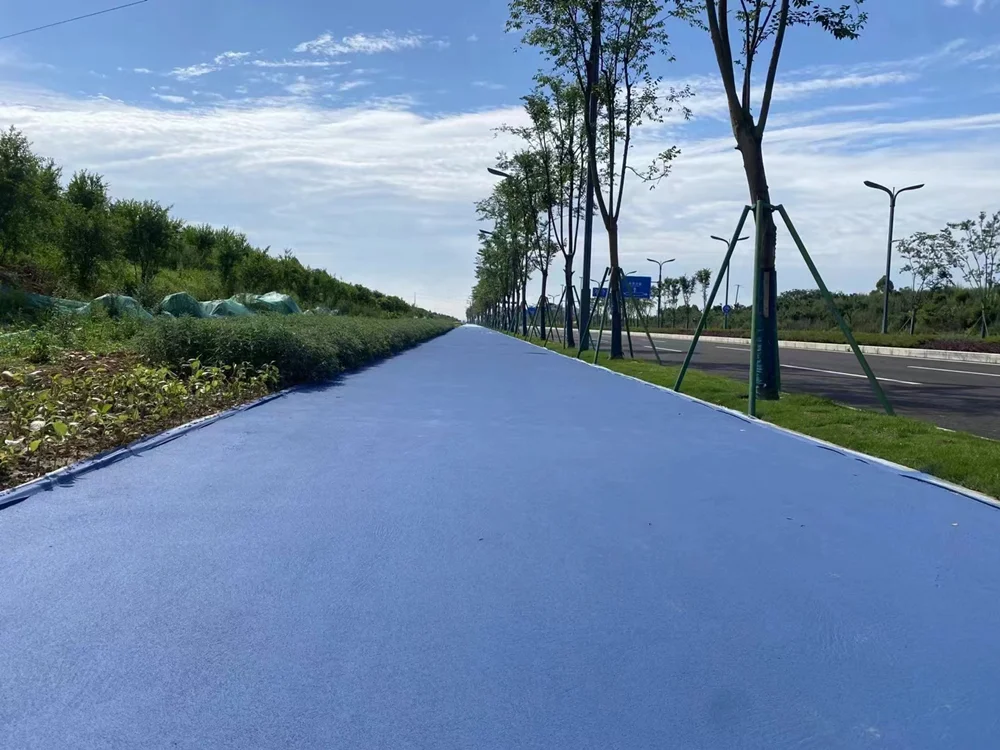
Colored slurry surfacing consists of a carefully engineered mixture of polymer-modified emulsions, graded mineral aggregates, pigments, water, and performance additives. The mixture is applied as a thin layer over existing asphalt or concrete pavement, forming a protective and decorative surface that extends pavement life and enhances functionality.
One of the most significant advantages of modern colored slurry surfacing technology is its ability to improve road safety. Bright colors such as red, green, blue, and yellow help clearly define traffic zones, bicycle routes, pedestrian crossings, and special-use lanes. These visual cues increase road user awareness and contribute to better traffic organization. Additionally, the textured surface created by high-quality aggregates improves skid resistance, providing enhanced traction for vehicles, cyclists, and pedestrians.
Durability is another key feature of modern colored slurry systems. Advanced polymer-modified binders deliver excellent adhesion, flexibility, and resistance to wear. The surface can withstand heavy traffic loads, UV exposure, moisture, and temperature fluctuations while maintaining its structural integrity and appearance. This long-term performance helps reduce maintenance requirements and lowers life-cycle costs.
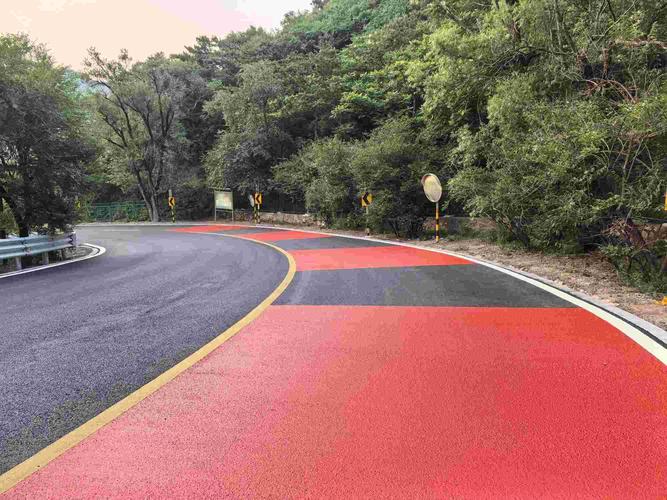
Modern slurry surfacing technology also offers excellent pavement preservation benefits. The protective layer seals minor surface defects and helps prevent water infiltration, oxidation, and aggregate loss. By protecting the existing pavement structure, colored slurry surfacing can significantly extend road service life and delay the need for more expensive rehabilitation projects.
Environmental sustainability is an important factor driving the adoption of this technology. Many modern colored slurry formulations use water-based emulsions with low volatile organic compound (VOC) emissions. The cold-application process consumes less energy than traditional hot-mix paving methods, making it a more environmentally responsible choice for infrastructure projects.
Another advantage is construction efficiency. Colored slurry surfacing can often be installed quickly with specialized equipment, reducing traffic disruption and project downtime. Fast application and curing times allow roads and pathways to return to service sooner, improving project productivity and minimizing inconvenience to road users.
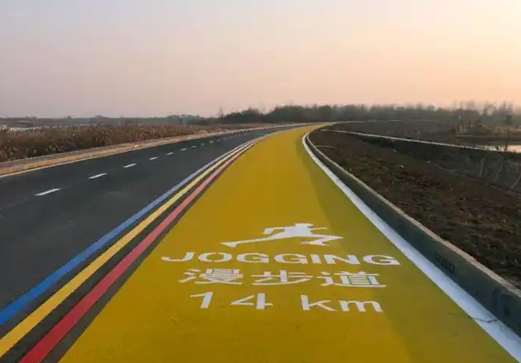
The technology is highly versatile and can be customized to meet different project requirements. Various colors, textures, and performance specifications can be selected to suit urban design objectives, traffic conditions, and environmental factors. This flexibility makes colored slurry surfacing suitable for both functional traffic management and decorative landscape applications.
As cities and transportation agencies seek smarter, safer, and more sustainable infrastructure solutions, modern colored slurry surfacing technology continues to gain popularity worldwide. By combining pavement protection, skid resistance, high visibility, durability, and environmental benefits, it provides an effective solution for enhancing modern transportation networks and public spaces.