Advanced colored pavement materials are becoming an essential solution for modern bicycle lane construction. These high-performance surfacing systems improve cyclist safety, increase lane visibility, and enhance the overall appearance of urban transportation infrastructure.
Compared with traditional asphalt surfaces, colored bicycle lane pavements provide stronger anti-skid performance, better weather resistance, and clearer traffic guidance. Cities around the world are increasingly adopting colored pavement technologies to support sustainable transportation and smart urban development.
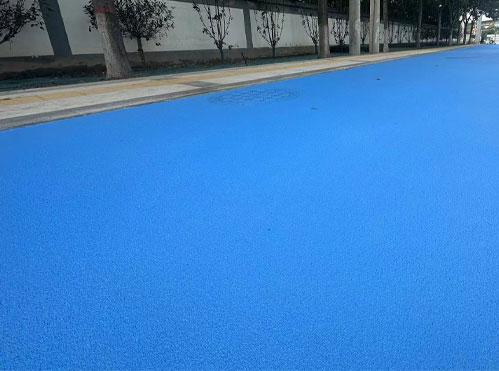
Colored bicycle lane pavements are specially engineered surface systems that combine durable binders, pigments, and anti-skid aggregates to create highly visible cycling routes.
Common materials used in bicycle lane construction include:
MMA colored pavement systems
Water-based SP colored surfacing
Epoxy resin coatings
Colored anti-skid slurry systems
Colored ceramic aggregate pavements
Colored micro-surfacing materials
These systems can be installed on both asphalt and concrete surfaces depending on project requirements.
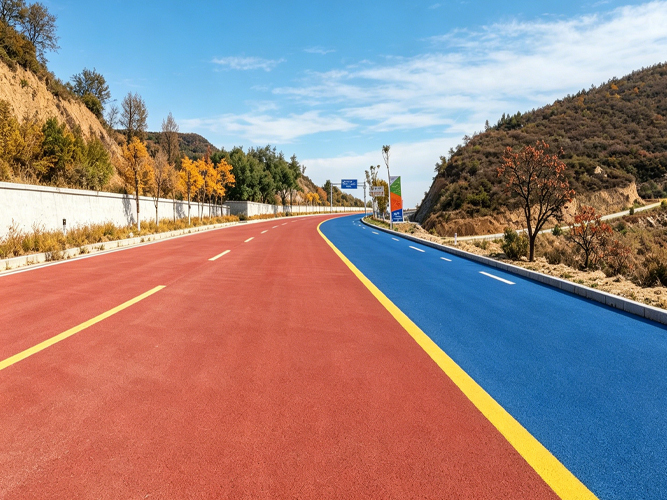
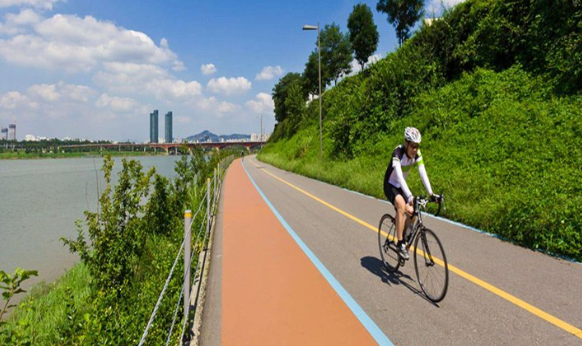
Safety is one of the most important benefits of colored bicycle lane pavements. Bright surface colors clearly separate bicycle lanes from motor vehicle traffic, reducing conflicts between cyclists and drivers.
Green, red, and blue bicycle lanes improve:
Driver awareness
Cyclist visibility
Traffic organization
Road guidance efficiency
Colored anti-skid surfaces also provide better traction during wet weather conditions, helping reduce slipping and braking accidents.
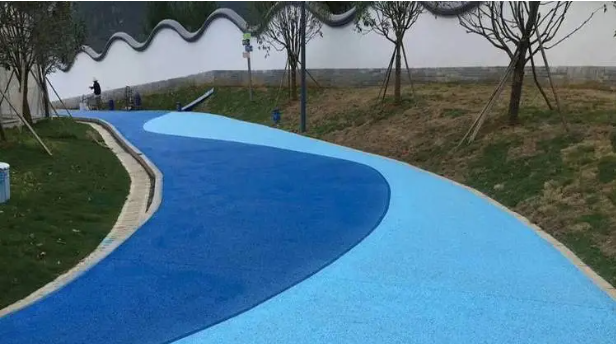
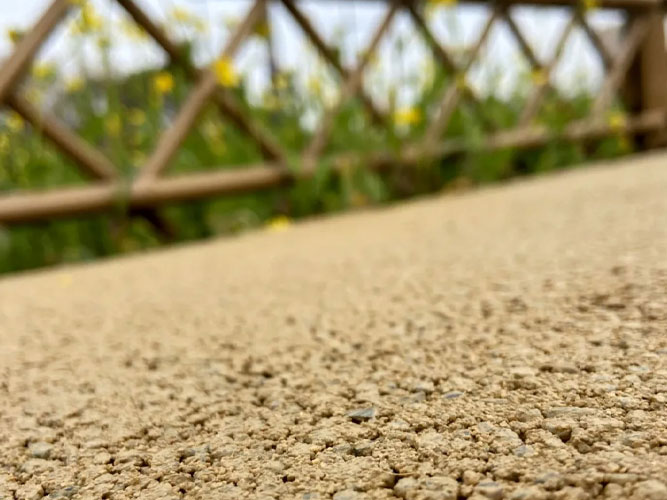
Advanced colored pavement systems often use ceramic particles or high-friction aggregates to improve skid resistance. These materials create a textured surface that enhances tire grip and riding stability.
High-friction bicycle lane surfacing is especially useful for:
Curved cycling paths
Sloped roads
Intersections
Bridge approaches
Rain-prone urban areas
This helps improve riding comfort and overall cycling safety.
Modern colored pavement materials are designed to withstand:
Heavy bicycle traffic
UV exposure
Rain and moisture
Temperature changes
Surface abrasion
High-quality resin systems maintain long-term bonding strength and color stability, reducing maintenance frequency and extending pavement service life.
Many advanced bicycle lane pavement systems use eco-friendly materials and low-emission technologies. Water-based colored pavement systems, in particular, reduce volatile organic compound emissions while providing durable surface performance.
Sustainable pavement technologies support:
Green transportation initiatives
Low-carbon urban development
Environmentally responsible construction practices
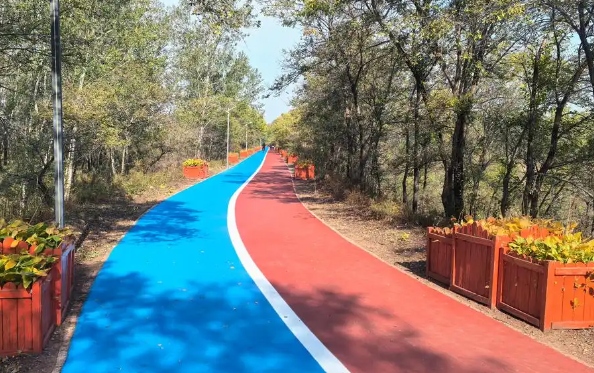
Rapid-curing pavement systems such as MMA colored surfacing allow bicycle lanes to reopen quickly after installation. This minimizes traffic disruption and improves project efficiency.
Compared with traditional reconstruction methods, colored surface treatments offer:
Lower construction costs
Faster application
Easier maintenance
Reduced downtime
This makes them highly suitable for urban bicycle infrastructure upgrades.
Advanced colored pavement materials are widely used for:
Urban bicycle lanes
Shared cycling paths
Greenways
Recreational cycling routes
School cycling zones
Bicycle crossings
Smart city transportation projects
Customized colors and pavement markings help create safer and more organized cycling environments.
Advanced colored pavement materials provide an effective and durable solution for modern bicycle lane construction. Their combination of high visibility, anti-skid performance, weather resistance, and attractive appearance helps improve cyclist safety and urban traffic management.
As cities continue promoting sustainable transportation and bicycle-friendly infrastructure, colored pavement technologies will play an increasingly important role in future urban mobility development.