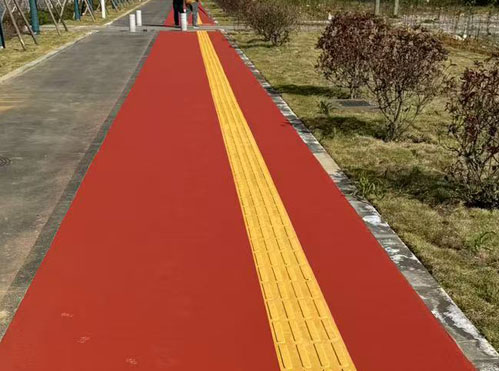
Colored asphalt pavement is increasingly used in highways, urban arterials, logistics corridors, and industrial zones where both safety and visual organization are important. When exposed to heavy traffic conditions, its performance depends on material formulation, structural design, and construction quality. A proper performance analysis helps determine whether colored asphalt can maintain durability, skid resistance, and color stability under continuous load.

In heavy traffic environments, pavement is subjected to repeated wheel loads, braking forces, and turning stresses. Colored asphalt systems designed with polymer-modified binders or high-performance resins show improved structural integrity compared to conventional surface treatments. These binders help distribute stress more evenly, reducing deformation such as rutting and surface fatigue.
Well-designed systems can maintain stable performance in areas with continuous truck traffic, including freight corridors, logistics parks, and industrial loading zones. However, insufficient binder strength or poor aggregate interlock can lead to premature wear under extreme load conditions.
One of the most critical performance indicators is skid resistance. Heavy traffic areas often experience polishing of surface aggregates over time, which can reduce friction. High-quality colored asphalt pavements use hard, angular aggregates to maintain surface texture and ensure consistent friction levels.
Under repeated traffic, properly engineered systems retain their anti-skid properties longer, reducing the risk of vehicle slipping during braking or turning. This is especially important in intersections, ramps, and curved sections where lateral forces are high.
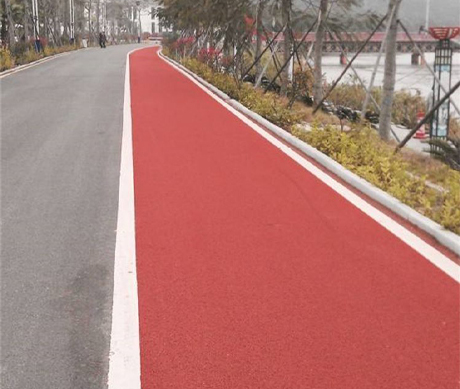
Colored asphalt must maintain visual clarity under long-term exposure to sunlight, weather, and pollution. UV-resistant pigments and protective binder systems are used to prevent fading and discoloration. In heavy traffic zones, however, mechanical wear can also affect surface color, gradually reducing brightness.
Performance studies show that color stability is highest when pigments are fully integrated into the binder matrix rather than applied as a surface coating alone. This improves resistance to both UV degradation and abrasion.
Rutting is a common issue in high-load traffic areas. Colored asphalt pavement must be designed with sufficient stiffness to resist permanent deformation. Polymer-modified systems and optimized gradation of aggregates improve load distribution and reduce vertical displacement under repeated loading.
Inadequate compaction during construction is one of the main causes of rutting in colored asphalt surfaces. Proper field density control is therefore essential for long-term performance.
Heavy traffic pavements are also exposed to environmental stress such as rain, temperature changes, and chemical spills. High-performance colored asphalt systems demonstrate good resistance to moisture damage and thermal cracking when properly formulated.
In regions with freeze–thaw cycles, flexible binder systems help maintain pavement integrity by reducing crack propagation. Drainage design also plays a key role in preventing water infiltration and base layer weakening.
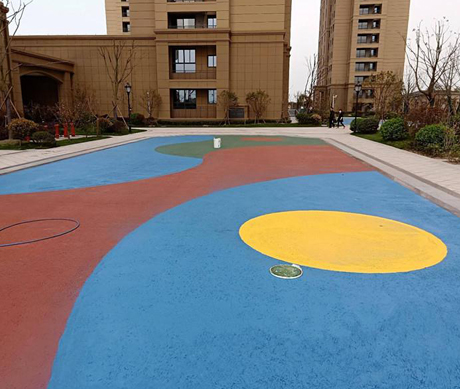
Under heavy traffic, maintenance planning becomes a key factor in performance sustainability. Even durable colored asphalt systems may require periodic surface renewal to restore skid resistance and color brightness.
Compared to traditional asphalt, well-designed colored systems can achieve comparable service life when properly maintained. Preventive maintenance, such as surface cleaning and localized repairs, significantly extends functional performance.
Colored asphalt pavement can perform effectively under heavy traffic conditions when properly engineered and constructed. Its performance depends on a balance of structural strength, skid resistance, color stability, and environmental durability. With the right material selection and quality control, it offers a reliable solution for high-load road environments that require both safety and visual differentiation.