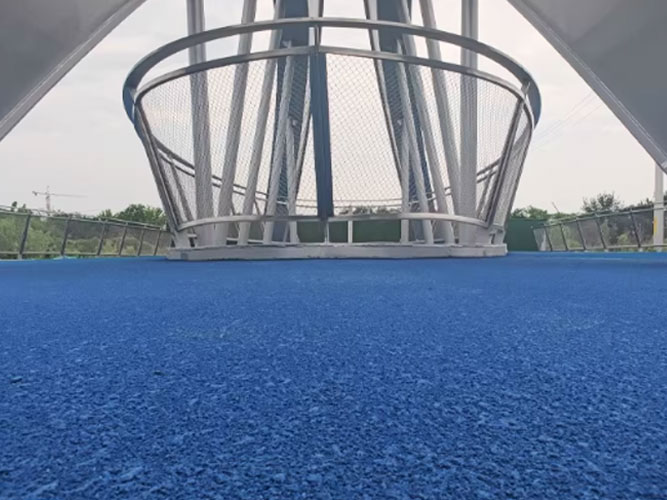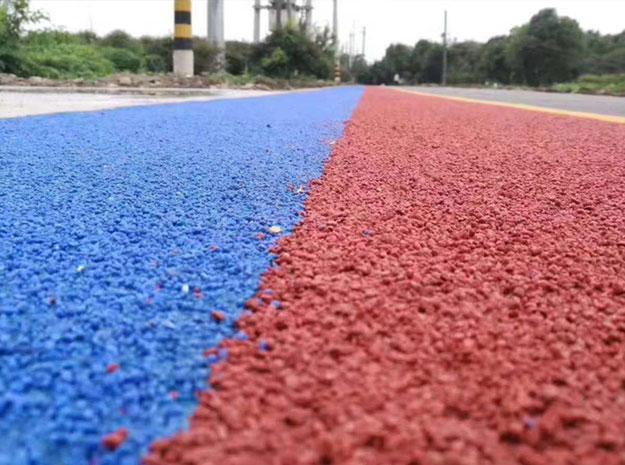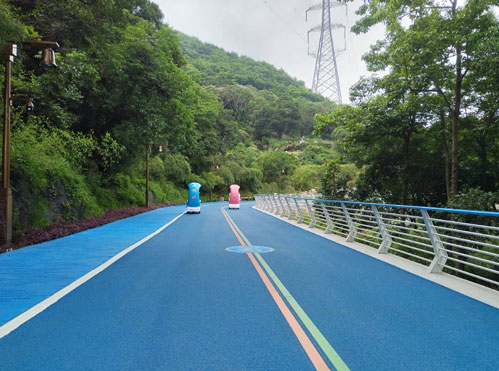
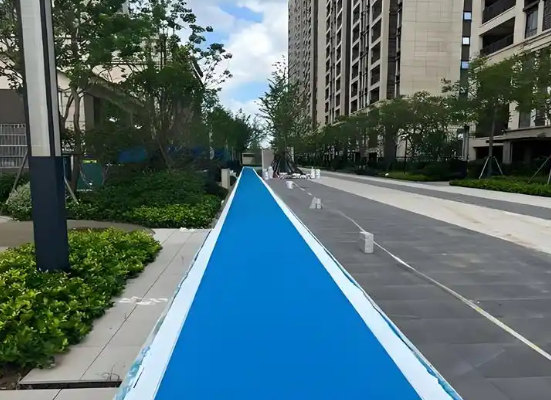
High friction surfacing is a specialized road safety treatment designed to improve skid resistance and reduce vehicle accidents in high-risk traffic areas. By using durable resin binders and high-friction aggregates, this surfacing system provides superior tire grip and braking performance under both dry and wet conditions.
Today, high friction surfacing is widely used on highways, intersections, pedestrian crossings, bicycle lanes, ramps, and sharp curves to improve road safety and traffic control.
High friction surfacing is a thin bonded pavement layer made from:
High-strength resin binders
Calcined bauxite or ceramic aggregates
Anti-skid surface materials
Durable colored coatings
The system creates an extremely rough and wear-resistant texture that increases friction between vehicle tires and the road surface. This significantly improves stopping distance and vehicle stability.
One of the main causes of road accidents is insufficient tire grip during braking, especially on wet roads. High friction surfacing increases surface traction, allowing vehicles to stop more quickly and safely.
This is especially important in:
Emergency braking zones
Busy intersections
Downhill roads
Highway exits
Signal-controlled crossings
Improved braking performance helps reduce rear-end collisions and loss-of-control accidents.
Rain, oil, dust, and smooth pavement surfaces can reduce tire traction and increase skidding risks. High friction surfacing maintains strong grip even during adverse weather conditions.
The textured anti-skid surface improves:
Vehicle handling
Steering stability
Cornering control
Wet-weather driving safety
This makes it highly effective in preventing crashes on curves and steep road sections.
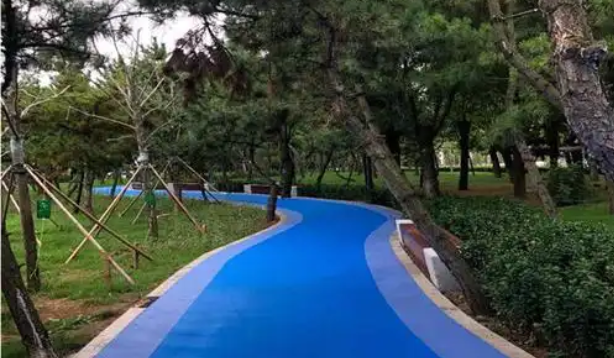
Many high friction surfacing systems use bright colors such as red, green, or blue to visually alert drivers to hazardous or restricted areas.
Colored high friction surfacing is commonly used for:
Pedestrian crossings
School zones
Bus lanes
Bicycle lanes
Traffic calming areas
The strong visual contrast helps drivers react earlier and maintain safer driving behavior.
Pedestrians and cyclists are more exposed to traffic risks than vehicle occupants. High friction surfacing helps create safer shared road environments by improving vehicle control near crossing areas and cycling infrastructure.
Applications include:
Crosswalks
Bike lanes
Public transport stations
Urban pedestrian streets
Enhanced surface visibility and skid resistance contribute to better protection for non-motorized road users.
Modern high friction surfacing systems are designed for long-term performance under heavy traffic conditions. High-quality resin binders and durable aggregates resist:
Wear and abrasion
UV exposure
Water damage
Temperature changes
This ensures consistent skid resistance and road safety performance over time.
High friction surfacing is commonly installed in locations with elevated accident risks, including:
Sharp curves
Highway ramps
Roundabouts
Tunnel entrances
Toll plazas
Bridge approaches
Intersections
Bus stops
Industrial roads
These areas benefit greatly from improved friction and enhanced driver visibility.
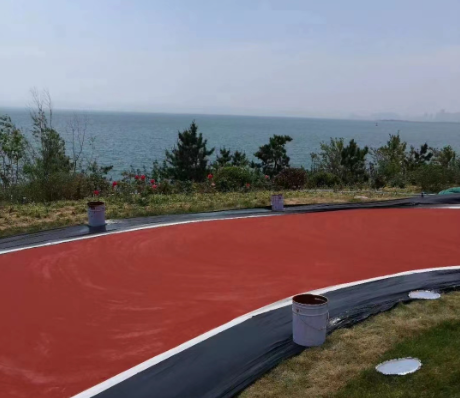
High friction surfacing plays a critical role in accident prevention by improving skid resistance, braking efficiency, and overall vehicle control. Its combination of anti-skid performance, durability, and visual warning capability makes it one of the most effective road safety solutions in modern transportation infrastructure.
As traffic volumes continue to increase, high friction surfacing will remain an essential technology for reducing accidents and creating safer roads for drivers, cyclists, and pedestrians.