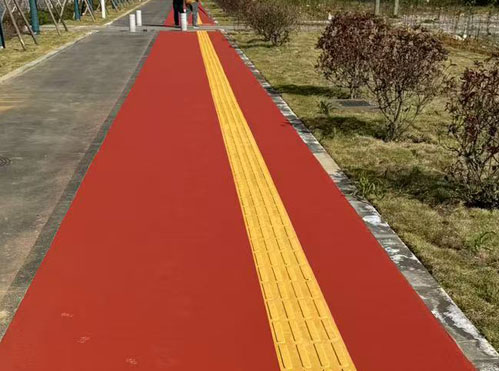
Long-lasting tactile pavement is an essential component of modern smart city infrastructure designed to improve accessibility, safety, and urban mobility for visually impaired pedestrians. It uses durable surface indicators—typically raised patterns or textured tiles installed on sidewalks, crossings, and public pathways—to provide directional and warning cues through touch underfoot or with a cane.
As cities become more inclusive and technology-driven, ta
ctile paving systems are increasingly being integrated into transportation planning alongside smart mobility, traffic management, and universal design standards.
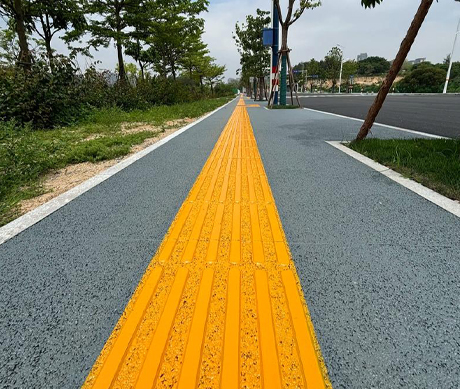
Tactile pavement refers to specially designed ground surface indicators that help visually impaired individuals navigate public spaces safely. These surfaces are typically made from:
Concrete
Polymer-modified materials
Ceramic tiles
Rubber or composite systems
Long-lasting versions are engineered to withstand heavy pedestrian traffic, weather exposure, and long-term wear without losing their texture or functionality.
Directional tactile paving provides linear patterns that guide pedestrians along safe walking routes, especially in:
Sidewalk corridors
Transit stations
Urban plazas
Crosswalk approaches
This helps users maintain orientation in complex urban environments.
Warning tactile surfaces use dome or blister patterns to alert users of potential hazards such as:
Road crossings
Platform edges
Stairways
Sudden level changes
This improves reaction time and reduces accident risks.
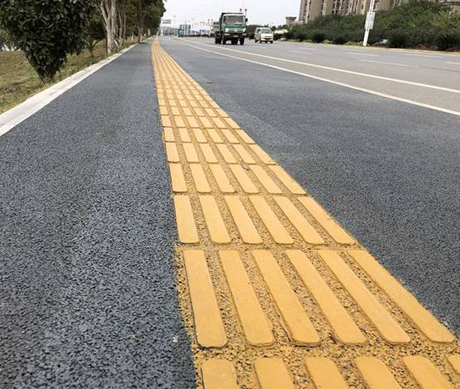
Long-lasting tactile pavement is designed to perform under continuous use and harsh environmental conditions.
Key durability features include:
High abrasion resistance under heavy foot traffic
UV and weather resistance for outdoor use
Strong bonding to asphalt, concrete, or stone bases
Resistance to cracking, fading, and surface wear
Advanced materials such as polymer composites or ceramic-based tactile systems significantly extend service life compared to traditional installations.
In smart cities, tactile pavement is not just a safety feature—it is part of a broader inclusive urban design strategy.
It supports:
Universal accessibility standards
Barrier-free transportation networks
Smart pedestrian routing systems
Inclusive public space planning
Some modern cities also integrate tactile pathways with digital navigation tools and smart mobility apps for enhanced accessibility.
Long-lasting tactile pavement is widely used in:
Pedestrian crossings
Bus stops and transit stations
Metro and train platforms
Shopping districts and commercial zones
Public buildings and government facilities
Bicycle and pedestrian shared spaces
Modern tactile paving systems use advanced materials to improve performance:
Polymer-modified systems for flexibility and impact resistance
Ceramic tactile tiles for high wear resistance
Precast concrete units for structural stability
Anti-slip surface treatments for wet-weather safety
These materials ensure long-term reliability in high-traffic environments.
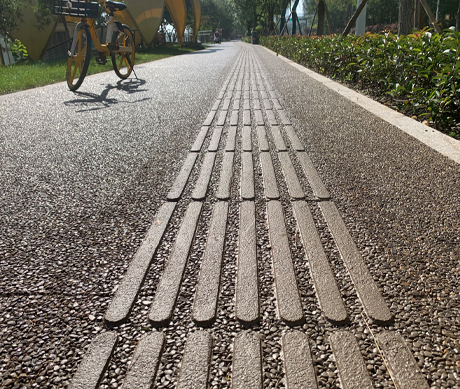
Tactile pavement significantly improves urban inclusivity by:
Helping visually impaired individuals navigate independently
Reducing accident risks at crossings and platforms
Improving awareness of traffic boundaries
Supporting safer pedestrian movement in busy cities
Long-lasting tactile pavement plays a vital role in building inclusive and intelligent urban environments. By providing durable, reliable tactile guidance systems, it enhances safety, accessibility, and independence for visually impaired pedestrians. As smart cities continue to evolve, tactile paving remains a fundamental infrastructure element that ensures transportation systems are safe and usable for everyone.