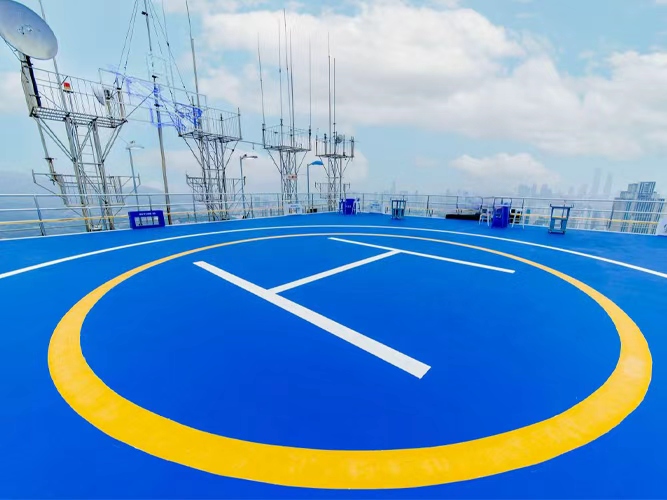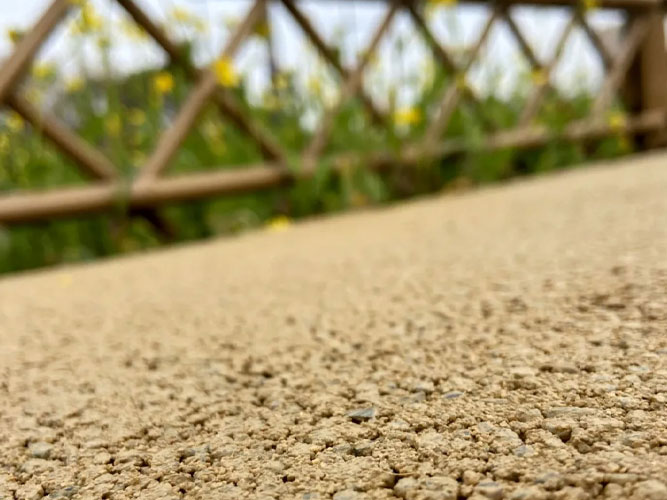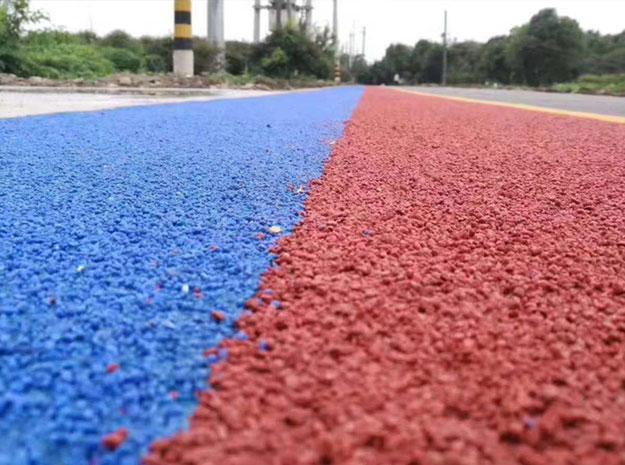
For decades, urban streets have been dominated by gray concrete and black asphalt. While functional, these traditional surfaces often lack visual distinction and do little to enhance road safety or urban aesthetics. Today, colored pavement is transforming streets around the world by creating safer, more attractive, and better-organized transportation environments. From bicycle lanes and pedestrian crossings to bus corridors and public plazas, colored pavement is redefining the way cities design and manage their infrastructure.
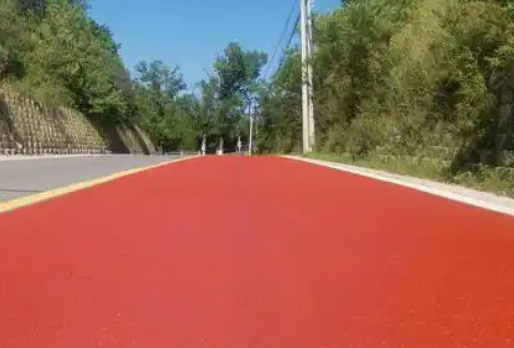
Modern cities require transportation systems that accommodate multiple users, including drivers, cyclists, pedestrians, and public transit passengers. Colored pavement provides a simple yet effective solution by clearly identifying different roadway functions and improving traffic guidance.
By using distinct colors for specific zones, cities can create more intuitive and user-friendly streets that improve mobility and reduce confusion.
One of the greatest advantages of colored pavement is its ability to enhance visibility. Brightly colored surfaces immediately attract attention and help road users recognize important areas such as crosswalks, bike lanes, and traffic-calming zones.
Safety benefits include:
Increased driver awareness
Better pedestrian visibility
Clearer bicycle lane recognition
Reduced traffic conflicts
Improved navigation through complex intersections
The visual contrast created by colored pavement encourages safer behavior and helps reduce accident risks.
Urban streets often serve multiple transportation modes. Colored pavement helps organize these spaces by clearly separating traffic zones and guiding movement.
Common applications include:
Green bicycle lanes
Red bus lanes
Colored pedestrian crossings
Shared-use pathways
School safety zones
Public transit corridors
This clear separation improves traffic efficiency while making streets safer and more accessible.
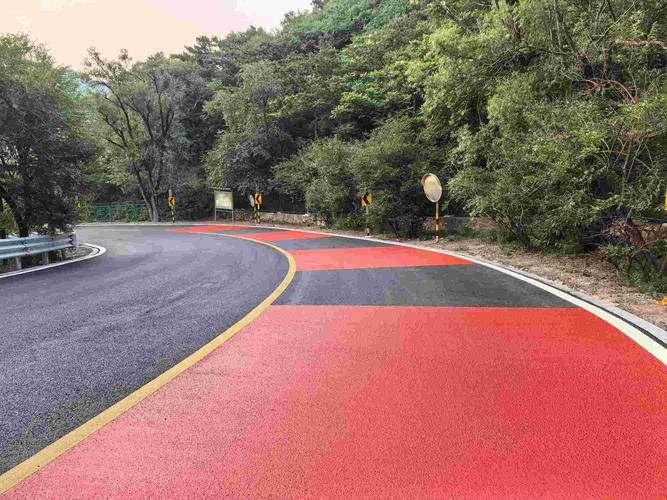
Beyond its practical benefits, colored pavement contributes significantly to urban beautification. Vibrant surfaces create more attractive streetscapes and help establish a unique visual identity for neighborhoods and city centers.
Advantages include:
Improved public space appearance
Enhanced community identity
Better integration with landscape design
Increased appeal of commercial districts
More welcoming pedestrian environments
As cities compete to attract residents, businesses, and visitors, visually appealing infrastructure becomes increasingly important.
Future urban development focuses on encouraging sustainable transportation options. Colored pavement supports these goals by creating safer and more visible routes for cyclists and pedestrians.
Benefits include:
Encouraging active transportation
Improving cycling infrastructure
Enhancing walkability
Supporting public transit systems
Reducing dependence on private vehicles
Well-designed colored pavement networks help make sustainable mobility more practical and attractive.
Several innovative pavement systems are driving the transformation of modern streets.
An environmentally friendly solution that combines vibrant colors with excellent skid resistance and long-term durability.
Designed for high-traffic urban environments where safety and performance are essential.
A fast-curing, highly durable system ideal for road projects that require quick installation and minimal traffic disruption.
An economical pavement preservation method that restores aging roads while improving appearance and functionality.
Provides exceptional friction performance and wear resistance for high-risk traffic areas.
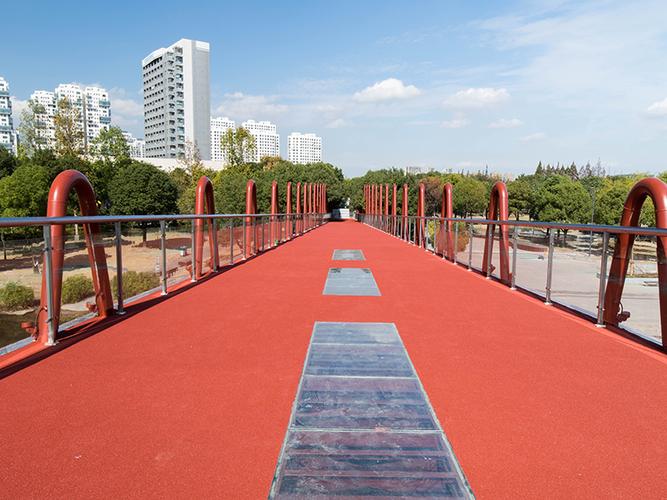
As cities continue to embrace smart growth and sustainable development, colored pavement is becoming a key component of modern infrastructure strategies. Its ability to improve safety, organize transportation networks, and enhance urban aesthetics makes it an ideal solution for future-ready streets.
From busy intersections and bicycle corridors to public plazas and pedestrian-friendly districts, colored pavement is helping create streets that are safer, more efficient, and more visually engaging.
Colored pavement is moving urban design beyond traditional gray surfaces and transforming the way streets function and look. By improving visibility, increasing safety, supporting sustainable transportation, and enhancing public spaces, colored pavement plays a vital role in modern city development. Technologies such as Water-Based EAU Colored Anti-Slip Pavement, Water-Based SP Colored Anti-Skid Pavement System, MMA Colored Pavement, Color Emulsified Micro-Surfacing, and Ceramic Particle Anti-Slip Pavement are leading this transformation and helping build the streets of the future.