Installing colored pavement is not just about applying a layer of color—it is a structured construction process that requires proper surface preparation, material selection, and quality control. Whether using colored asphalt, resin coatings, or high-friction surfacing systems, correct installation is the key to long-term durability, safety performance, and visual quality.
This guide explains the essential steps, methods, and factors you need to understand before starting a colored pavement project.
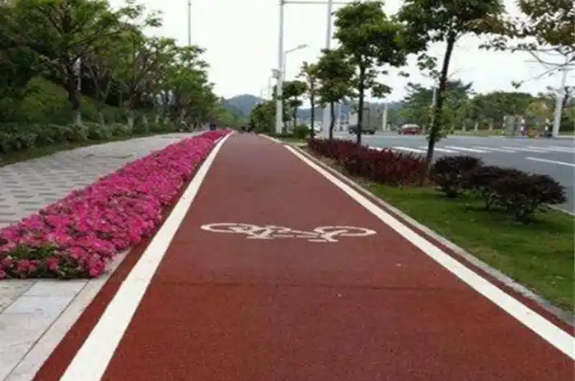
Before installation begins, selecting the correct system is critical. Different materials are used depending on traffic load, budget, and application type.
Common options include:
Colored asphalt (integral mix or overlay) – best for roads and bike lanes
MMA resin systems – fast-curing, high-performance urban traffic zones
Epoxy or polyurethane coatings – pedestrian areas and plazas
Acrylic coatings – budget-friendly surface color upgrades
High-friction surfacing systems – safety-critical zones like curves and intersections
Each system has different installation requirements and curing times.
A strong foundation determines the lifespan of colored pavement.
Typical preparation steps include:
Cleaning dust, oil, and debris
Removing loose or damaged material
Repairing cracks and potholes
Milling or grinding uneven surfaces if needed
Ensuring proper drainage conditions
Poor surface preparation is the main cause of early failure such as peeling, cracking, or discoloration.
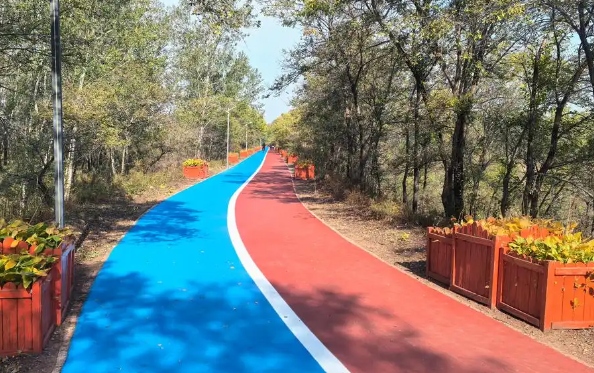
Most colored pavement systems require a primer to improve adhesion between the base layer and the colored material.
Primers help:
Strengthen bonding
Prevent delamination
Improve long-term durability
Seal porous surfaces
This step is especially important for resin-based systems.
Depending on the system used, application methods vary:
Mixed at asphalt plant or on-site
Laid using standard paving machines
Compacted with rollers for density and smoothness
Two-component materials (resin + hardener) mixed on-site
Applied using squeegees or trowels
Often combined with anti-slip aggregates broadcast on top
Thin-layer coatings applied by roller or spray
Used for existing pavement upgrades
Correct mixing ratios and timing are essential to avoid weak spots or uneven coloring.
For safety-critical areas, anti-slip aggregates are added to improve traction.
Common materials include:
Calcined bauxite
Ceramic grit
Quartz sand
These are spread over the wet surface to create a high-friction layer, especially useful for:
Bike lanes
Intersections
Bus stops
Pedestrian crossings
Curing time depends on the material type:
MMA systems: often ready within 1–2 hours
Epoxy systems: 6–24 hours
Polyurethane systems: 12–48 hours
Asphalt systems: cooling and compaction dependent
Proper curing is necessary before opening to traffic to ensure full strength and durability.
After installation, several checks are performed:
Color consistency across surface
Thickness measurement
Skid resistance testing (where required)
Surface smoothness inspection
Adhesion strength evaluation
Quality control ensures the pavement meets safety and performance standards.
Installation should be planned carefully based on weather:
Avoid heavy rain or high humidity for resin systems
Ideal temperatures improve bonding and curing
Wind and dust control help maintain surface quality
Poor weather conditions can significantly reduce performance and lifespan.
To extend lifespan:
Clean surface regularly
Remove oil or chemical spills quickly
Inspect for wear in high-traffic areas
Reapply coating when fading occurs (if surface system)
Repair localized damage early
Proper maintenance can significantly extend service life.
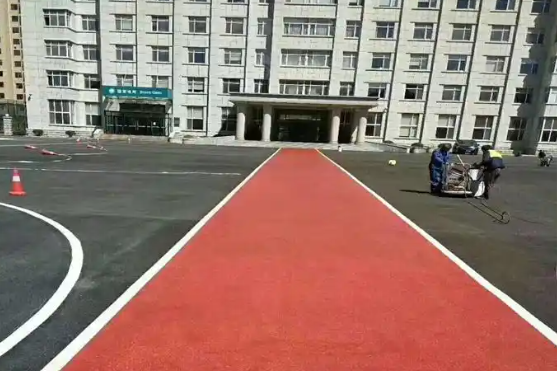
Skipping surface preparation
Incorrect resin mixing ratios
Applying in unsuitable weather
Uneven aggregate distribution
Opening traffic too early
Using incompatible base materials
Avoiding these mistakes ensures long-lasting performance.
Colored pavement installation requires careful planning, proper material selection, and precise execution. From surface preparation to curing, every step affects the final performance and lifespan of the pavement. When installed correctly, colored pavement provides excellent safety, durability, and visual impact, making it a valuable solution for modern roads, bike lanes, pedestrian zones, and urban infrastructure projects.