How Road Anti-Skid Materials Improve Traffic Safety
Traffic safety depends heavily on one often overlooked factor: road surface friction. When roads become slippery due to rain, wear, or heavy traffic polishing, the risk of accidents increases significantly. Road anti-skid materials are designed specifically to solve this problem by improving tire grip and stabilizing vehicle movement in all driving conditions.
What Makes Roads Unsafe Without Anti-Skid Protection
Over time, asphalt and concrete surfaces become smooth due to continuous vehicle movement. This polishing effect reduces micro-texture on the road surface. When combined with water, oil, or dust, the road becomes slippery, leading to:
Longer braking distances
Loss of vehicle control during turns
Increased risk of skidding and hydroplaning
Higher accident rates at intersections and ramps
How Road Anti-Skid Materials Improve Safety
Road anti-skid materials improve safety by increasing the friction coefficient between tires and road surfaces. They achieve this through engineered surface textures and high-performance materials.
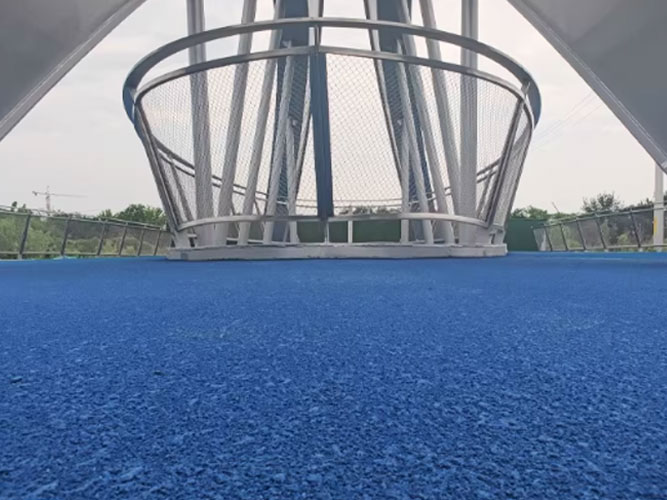
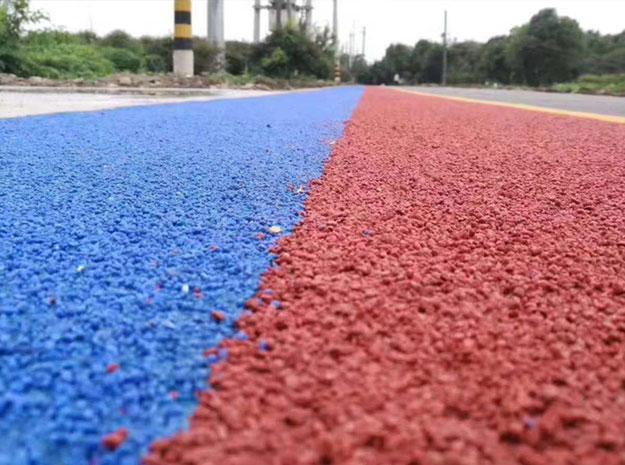
First, micro-texture enhancement. Hard aggregates such as ceramic particles, basalt, or quartz create a rough surface layer. These tiny protrusions increase tire grip at the contact point, especially during braking.
Second, strong bonding systems. Resin or polymer binders lock the aggregates firmly in place, ensuring the anti-skid layer remains stable under heavy traffic and does not wear away quickly.
Third, consistent performance under weather conditions. Even in rain or wet environments, anti-skid surfaces maintain grip by allowing water to drain through surface gaps, reducing hydroplaning risk.
Key Traffic Safety Improvements
By enhancing road surface friction, road anti-skid materials provide several direct safety benefits:
Shorter braking distance in emergency situations
Better control during sharp turns and curves
Reduced accident risk at intersections and crosswalks
Improved stability for motorcycles, bicycles, and cars
Safer driving conditions in wet or low-visibility weather
Where They Make the Biggest Impact
Road anti-skid materials are especially important in high-risk areas such as:
Urban intersections with frequent stopping and starting
Highway exits and entrance ramps
Bridge decks that become slippery in rain or frost
School zones and pedestrian crossings
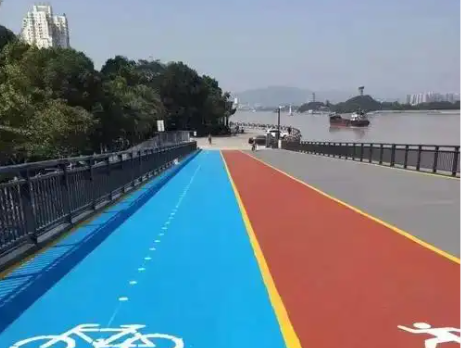
Bicycle lanes and shared road spaces
Additional Safety Benefits
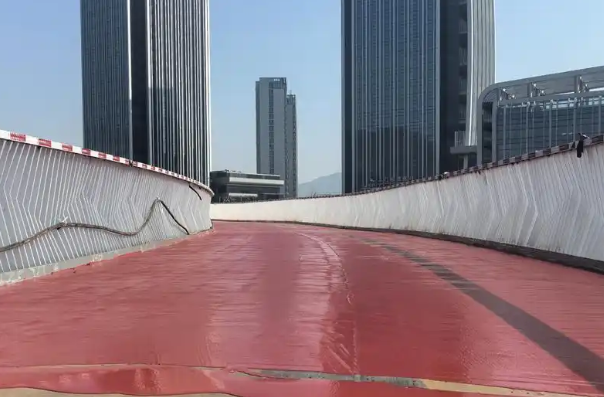
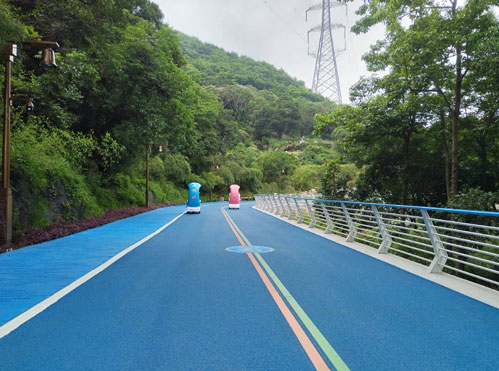
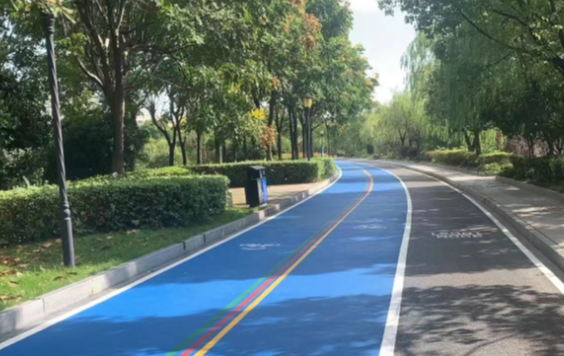
Modern anti-skid systems often combine functionality with visual guidance. Colored anti-skid surfaces can highlight dangerous zones or guide traffic flow, improving driver awareness and reducing confusion in complex road environments.
They also contribute to long-term safety by maintaining surface performance over time, unlike traditional markings that fade or wear out quickly.
Conclusion
Road anti-skid materials significantly improve traffic safety by increasing road friction, reducing braking distances, and enhancing vehicle control in all weather conditions. Their use in modern infrastructure is essential for preventing accidents and creating safer, more reliable transportation systems for drivers, cyclists, and pedestrians alike.