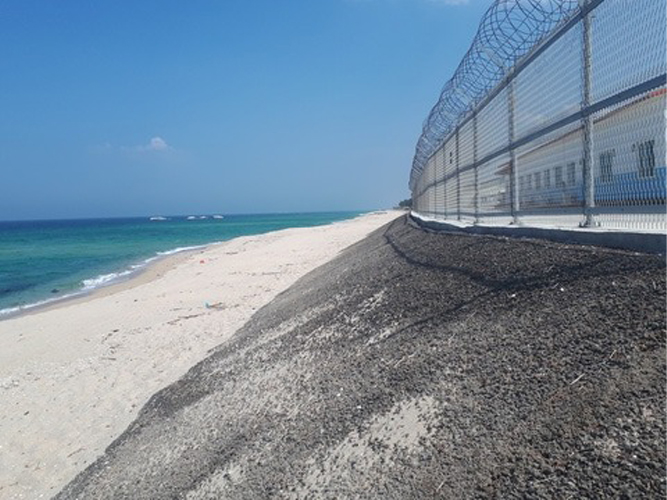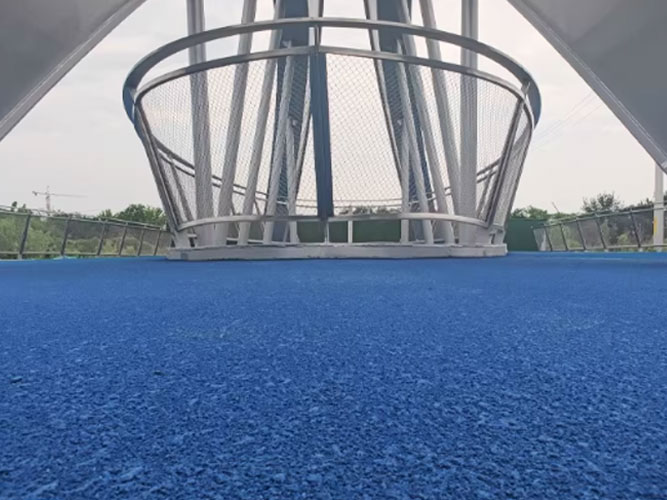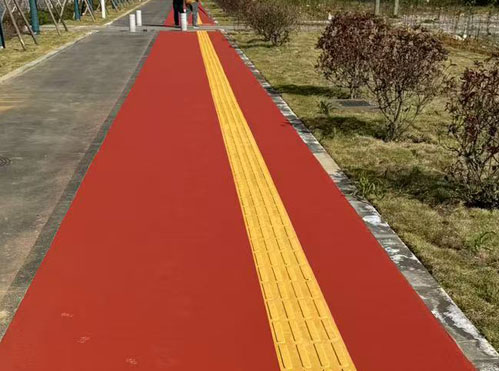
Colored pavement is a specialized road surfacing solution that combines safety, functionality, and visual appeal. Unlike traditional black asphalt or gray concrete, colored pavement uses pigments, colored aggregates, resin systems, or colored coatings to create vibrant and highly visible road surfaces. It is widely used on bicycle lanes, pedestrian walkways, bus lanes, parking areas, school zones, parks, and public spaces.
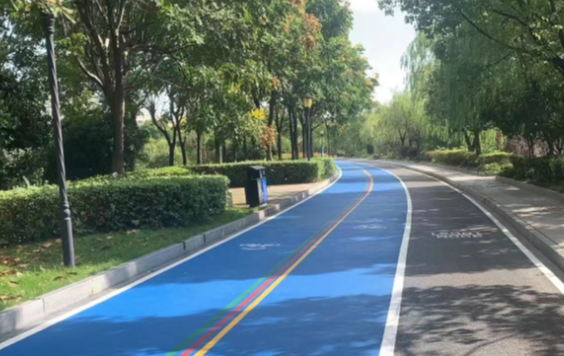
One of the main reasons for the growing popularity of colored pavement is its ability to improve road safety. Brightly colored surfaces help drivers, cyclists, and pedestrians easily identify specific traffic zones, reducing confusion and improving awareness. Red, green, blue, and other colors are commonly used to distinguish bike lanes, crossings, and restricted traffic areas. The enhanced visibility can contribute to safer traffic flow and fewer accidents.
Another important advantage is its anti-slip performance. Many colored pavement systems incorporate high-friction aggregates or anti-skid coatings that provide excellent traction, especially during wet weather. This makes colored pavement a preferred choice for ramps, intersections, sharp curves, and other high-risk areas where skid resistance is critical.
Durability is also a key factor behind its increasing adoption. Modern colored pavement materials, such as MMA resin systems, water-based anti-slip coatings, colored micro-surfacing, and ceramic aggregate surfacing, are designed to withstand heavy traffic, harsh weather conditions, and UV exposure. These materials maintain their color and performance over time while requiring relatively low maintenance.
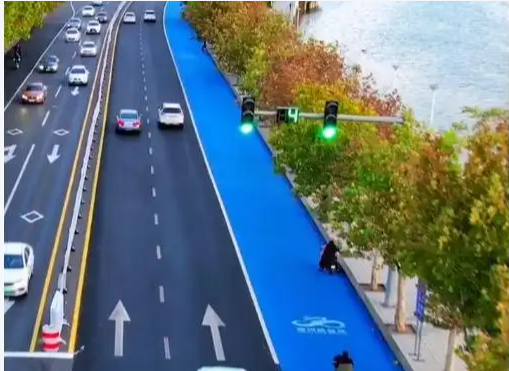
In addition to safety benefits, colored pavement enhances the appearance of urban environments. Cities and developers use colored pavement to create attractive streetscapes, improve public spaces, and support modern urban design. The ability to combine functionality with aesthetics makes it an effective solution for infrastructure projects.
Environmental considerations are also driving demand. Many modern colored pavement systems utilize eco-friendly materials, low-VOC formulations, and sustainable construction methods. Some solutions can even help reduce urban heat buildup by reflecting more sunlight than traditional dark pavement surfaces.
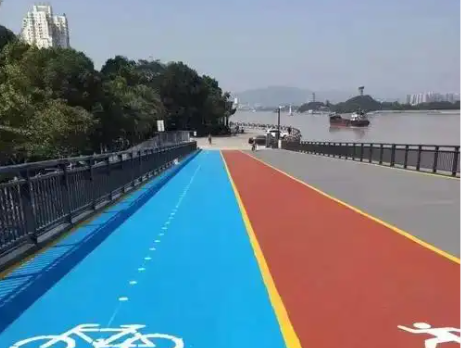
As cities continue to focus on road safety, sustainable development, and improved urban mobility, colored pavement is becoming an increasingly popular choice worldwide. Its combination of high visibility, anti-slip performance, durability, and aesthetic value makes it a smart investment for modern transportation and public infrastructure projects.
Keywords: Colored Pavement, Colored Anti-Slip Pavement, High Friction Surfacing, Colored Road Surface, Anti-Skid Pavement, Traffic Safety Surfacing, Decorative Pavement Coating, Bicycle Lane Pavement, Urban Road Infrastructure, Sustainable Pavement Solutions.