Choosing the Right Anti-Slip Road Coating for Infrastructure Projects
Selecting the right anti-slip road coating is a critical decision in infrastructure projects because it directly affects traffic safety, long-term durability, maintenance costs, and overall project performance. With multiple material systems and application methods available today, engineers and project planners must evaluate solutions based on functional requirements rather than appearance alone.
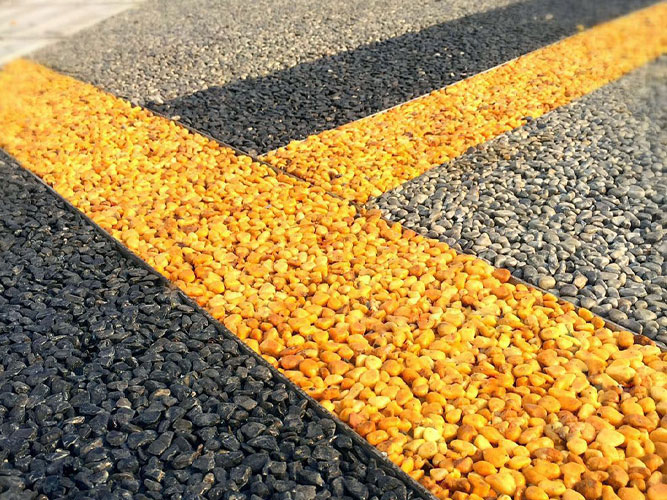
The first key factor is traffic conditions. Different infrastructure environments experience different levels of load and stress. High-speed highways, urban intersections, ramps, and industrial zones all require varying levels of skid resistance. For heavy traffic or high-risk areas, high-friction systems using ceramic aggregates or basalt particles combined with strong binders such as MMA resin or epoxy are often preferred. These systems provide superior grip and maintain performance under continuous vehicle pressure.
Surface type is another important consideration. Anti-slip coatings must be compatible with the existing pavement, whether asphalt, concrete, or steel. Asphalt surfaces generally offer good bonding conditions for most polymer-modified systems. Concrete, being smoother and more rigid, may require additional surface preparation such as grinding or primer application to ensure strong adhesion. For steel structures like bridge decks, coatings must also include anti-corrosion properties in addition to skid resistance.
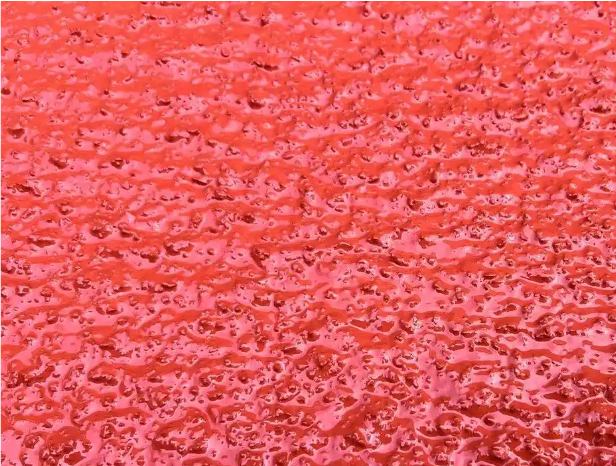
Durability requirements play a major role in system selection. Infrastructure projects are expected to perform for many years with minimal maintenance. Therefore, coatings must resist UV exposure, water penetration, freeze-thaw cycles, and mechanical abrasion. MMA-based systems are often chosen for fast curing and long-term stability, while polyurethane systems provide excellent elasticity and weather resistance in varying climates.
Another essential factor is application efficiency. Large-scale infrastructure projects often require minimal traffic disruption and fast installation. Spray-applied or trowel-applied systems that cure quickly are highly suitable for urban roads and transportation corridors where closure time must be limited. Fast-curing materials help reduce downtime and improve project efficiency.
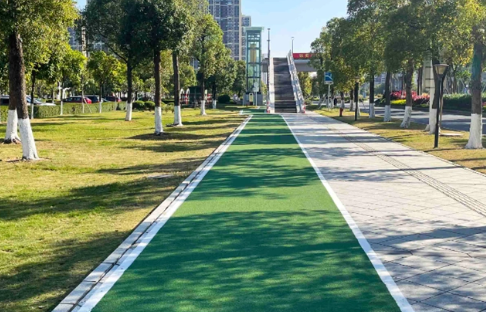
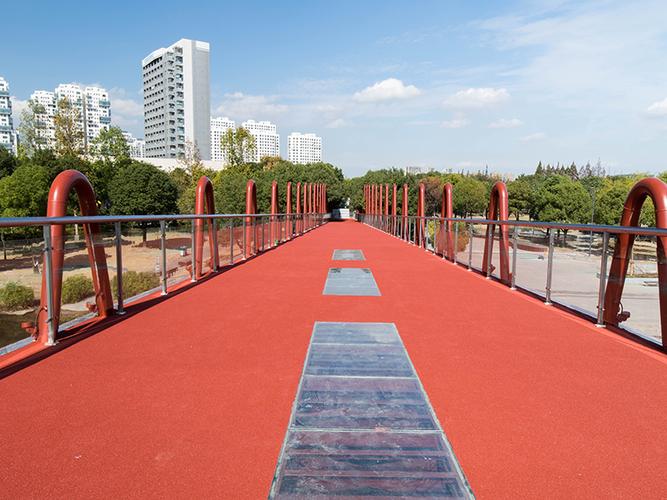
Safety performance should also guide the selection process. The primary function of anti-slip coatings is to improve friction and reduce accident risks. High-friction surfacing systems are especially important in critical zones such as intersections, sharp curves, tunnel entrances, and pedestrian crossings. In many modern projects, coatings are also combined with color coding to enhance visual guidance and improve driver awareness.
Environmental conditions are another key consideration. In regions with heavy rainfall, snow, or extreme temperature variations, the coating must maintain consistent friction performance without degradation. UV resistance is also important to prevent fading and surface breakdown over time, especially in outdoor applications exposed to direct sunlight.
Cost-effectiveness should be evaluated over the full lifecycle rather than just initial installation. While high-performance systems may have a higher upfront cost, they often reduce long-term maintenance needs and extend pavement service life. This results in lower total project costs and improved return on investment.
In conclusion, choosing the right anti-slip road coating for infrastructure projects requires a balanced evaluation of traffic conditions, surface compatibility, durability, application efficiency, safety performance, environmental factors, and lifecycle cost. A well-selected system not only improves road safety but also ensures long-term reliability and efficient infrastructure performance in modern transportation networks.