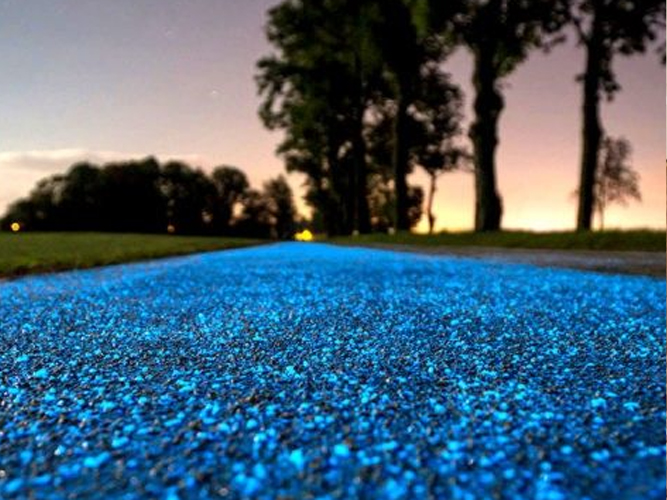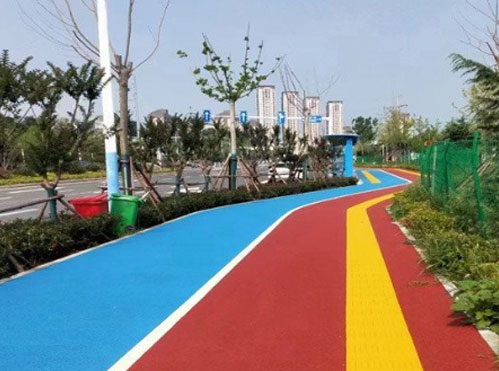
Colored slurry technology is becoming an important part of modern smart city infrastructure. It combines road maintenance, traffic guidance, and surface enhancement into one efficient pavement solution. By integrating polymer-modified slurry mixtures with colored pigments and anti-skid aggregates, it helps cities build safer, more organized, and more visually intelligent road systems.
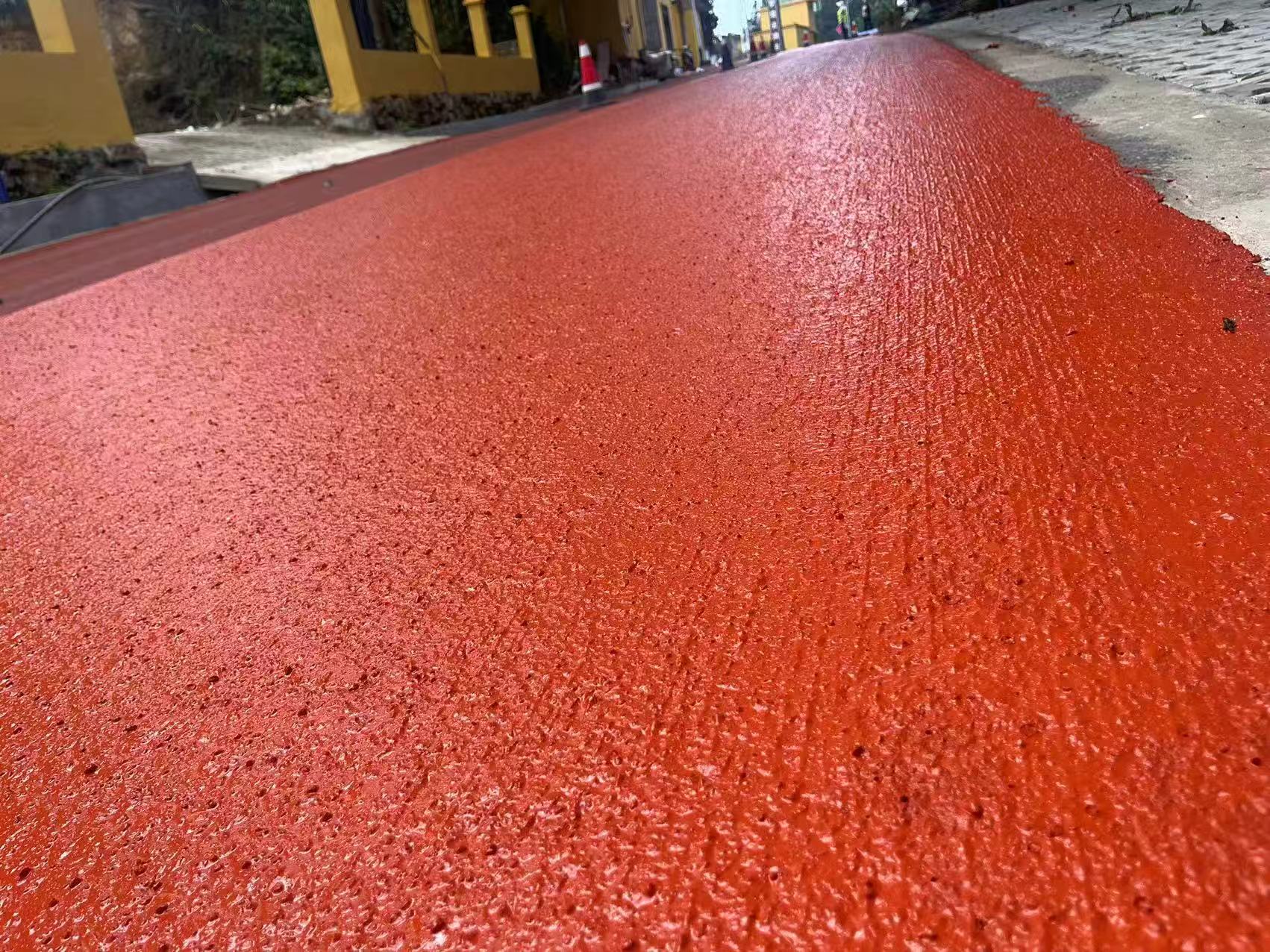
Colored slurry technology refers to a thin-layer pavement system that is applied over existing asphalt or concrete surfaces. It is made of polymer emulsions, fine aggregates, fillers, and color pigments. Once applied, it forms a durable, textured, and colored surface that improves both performance and appearance.
In smart cities, this technology is not only used for maintenance but also for traffic management and functional road zoning.
Different colors are used to clearly define road functions such as:
Bicycle lanes
Bus lanes
Pedestrian zones
Warning or slow-speed areas
This improves traffic organization and reduces confusion for road users.
The textured surface significantly increases friction, improving safety for vehicles and pedestrians, especially in wet conditions.
Colored slurry systems can be applied quickly and opened to traffic after short curing time, making them ideal for busy urban environments.
The polymer-modified structure improves resistance to wear, cracking, and water damage, extending pavement life and reducing maintenance costs.
Colored surfaces enhance city appearance and support modern urban design concepts.
In smart city development, colored slurry technology plays a functional role beyond aesthetics. It supports:
Helps clearly separate traffic streams using visual color coding.
Reduces accidents by improving visibility and driver awareness.
Supports preventive maintenance strategies that reduce the need for full road reconstruction.
Works alongside sensors, traffic signals, and digital monitoring systems to improve overall traffic efficiency.
Colored slurry technology is widely used in:
Urban road networks
Bicycle-friendly cities
Bus rapid transit lanes
Pedestrian priority zones
School areas
Parking management zones
Smart commercial districts
Airport and transport hubs
Improves traffic safety and organization
Enhances urban aesthetics
Reduces long-term maintenance costs
Supports sustainable infrastructure development
Adapts to high-density urban environments
Colored slurry technology is an important innovation for smart cities. By combining functionality, safety, and visual guidance, it helps create more efficient and intelligent urban transportation systems. As cities continue to evolve, this technology will play a growing role in building safer, greener, and more organized road networks.