Heavy traffic areas such as highways, intersections, bridges, tunnels, bus lanes, industrial facilities, and parking ramps require durable anti-skid pavement materials that can withstand constant vehicle pressure while maintaining long-term friction performance. Selecting the right pavement system is essential for improving traffic safety, reducing accidents, and extending pavement service life.
Modern anti-skid surfacing materials combine high-friction aggregates with advanced resin or asphalt binders to create surfaces that deliver excellent skid resistance, weather durability, and structural stability.
Road surfaces in high-volume traffic zones experience continuous braking, acceleration, turning, and heavy load stress. Without proper skid resistance, pavement surfaces can become polished and slippery over time, especially during rain or extreme weather conditions.
Anti-skid pavement systems help:
Improve vehicle traction
Reduce stopping distance
Enhance wet-weather safety
Minimize traffic accidents
Increase driver awareness
Protect pavement structures from premature wear
These benefits are especially critical at intersections, steep slopes, toll stations, airport pavements, and sharp curves.
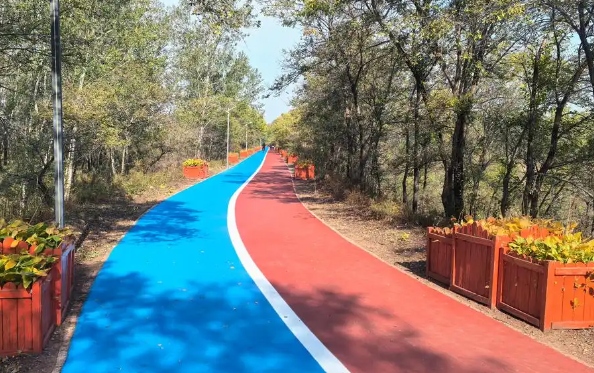
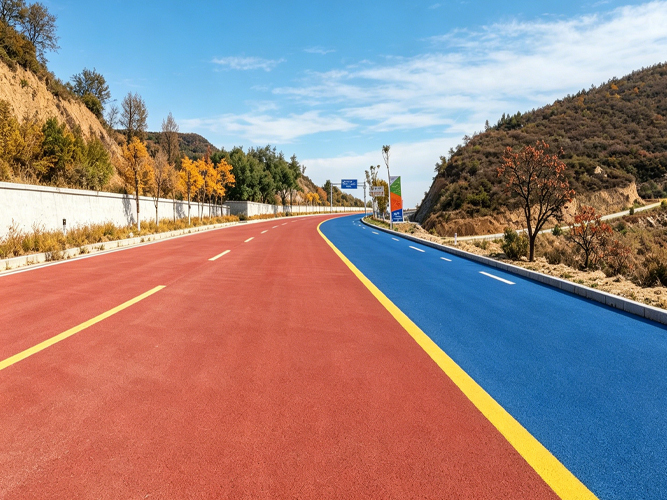
Colored ceramic particles are one of the most durable anti-skid materials available for heavy traffic applications. The high-hardness ceramic aggregate provides excellent friction performance and long-lasting color stability.
Advantages include:
Superior wear resistance
High friction retention
UV-resistant color performance
Excellent visibility enhancement
Long service life under heavy traffic
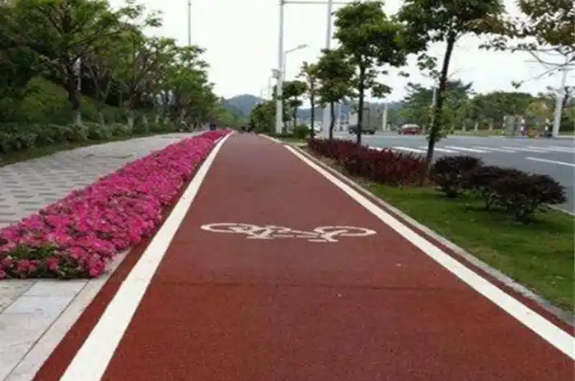
This system is commonly used on highways, bus lanes, bicycle lanes, and bridge decks.
MMA (Methyl Methacrylate) resin systems are widely recognized for rapid curing and exceptional bonding strength. MMA coatings can be installed quickly, minimizing traffic disruption in busy urban environments.
Key features:
Fast curing even at low temperatures
Strong adhesion to asphalt and concrete
Excellent chemical resistance
High durability under continuous traffic loading
Suitable for emergency road repairs
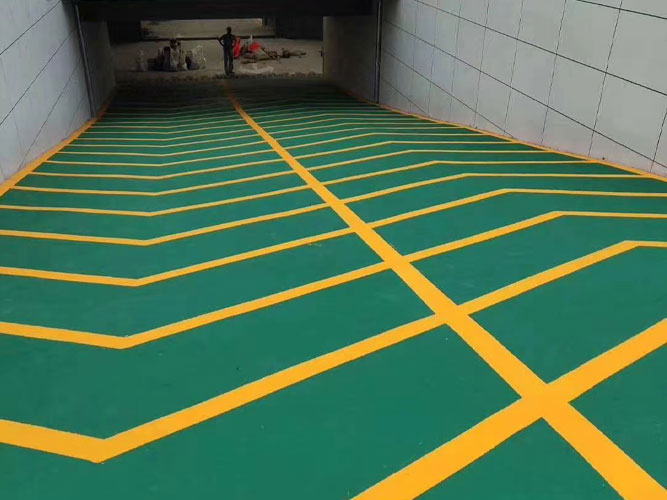
MMA anti-skid pavement is ideal for intersections, tunnels, airports, and industrial zones.
Water-based anti-skid materials are environmentally friendly and increasingly used in sustainable infrastructure projects. These systems provide reliable skid resistance while reducing VOC emissions during construction.
Benefits include:
Eco-friendly formulation
Low odor and low emissions
Good flexibility and crack resistance
Strong decorative performance
Suitable for urban roads and pedestrian zones
Water-based SP colored pavement systems are especially popular in smart city road projects.
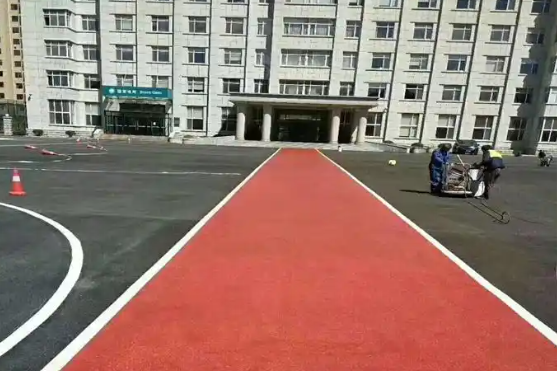
Epoxy anti-slip coatings are commonly applied in parking garages, industrial floors, warehouses, and bridge ramps where heavy loads and abrasion resistance are required.
Advantages include:
Strong mechanical strength
Excellent adhesion
Good chemical and oil resistance
Durable anti-slip texture
Easy maintenance
Epoxy systems are particularly effective in enclosed or industrial environments.
HFST systems use premium calcined bauxite aggregate bonded with high-strength resin binders to create extremely high skid resistance.
Key benefits:
Exceptional friction performance
Reduced crash rates
Improved braking safety
Long-lasting aggregate durability
Excellent performance on dangerous curves and slopes
HFST is widely used on highways, ramps, bridge approaches, and accident-prone areas.
When choosing anti-skid pavement materials for heavy traffic environments, important factors include:
Traffic volume and vehicle load
Climate and temperature conditions
Surface type (asphalt or concrete)
Required curing time
Maintenance requirements
Color and visibility needs
Budget and lifecycle cost
Proper material selection ensures optimal performance, durability, and long-term road safety.
As transportation infrastructure evolves, anti-skid pavement technology continues to improve through advanced resin systems, high-performance aggregates, and sustainable materials. Smart city projects increasingly demand road surfaces that combine safety, durability, environmental performance, and visual guidance.
High-friction colored pavement systems are expected to play a larger role in future transportation engineering, helping cities create safer and more efficient road networks for both vehicles and pedestrians.