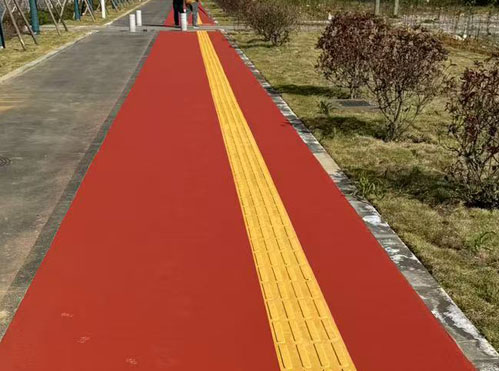
Heavy traffic areas require road surfaces that can provide excellent durability, strong grip, and long-term performance. With increasing vehicle volumes and demanding transportation conditions, traditional pavement solutions may
not always meet modern safety requirements.
High Friction Road Surfacing Materials provide an advanced solution by improving surface grip, enhancing vehicle control, and extending pavement performance. They are widely used in highways, industrial areas, airport roads, bridges, and urban transportation projects.
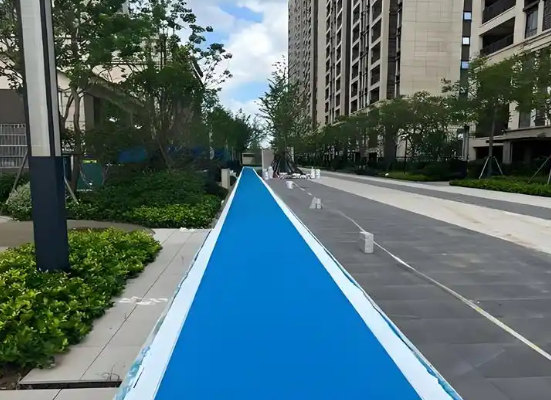
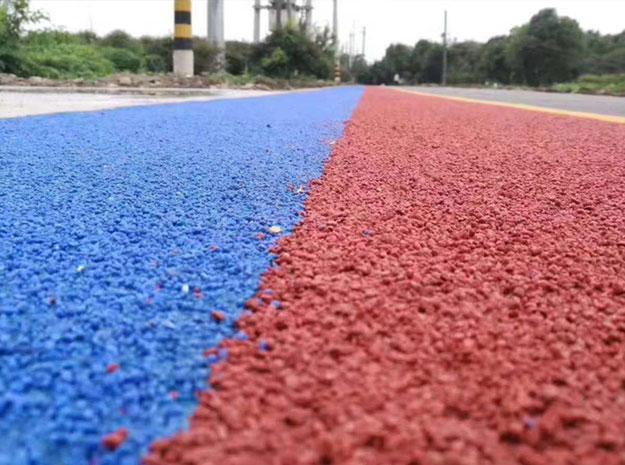
High Friction Road Surfacing Materials are specially designed pavement systems that create a durable and skid-resistant surface layer.
By combining high-performance binders with strong aggregates, these materials provide:
• High friction performance
• Excellent anti-skid properties
• Strong adhesion
• Wear resistance
• Long service life
They can be applied to asphalt, concrete, and other pavement surfaces that require improved safety and durability.
Roads with high traffic volumes face continuous pressure from:
• Heavy vehicles
• Frequent braking
• Turning forces
• Weather exposure
• Daily surface wear
These conditions can reduce pavement friction and increase safety risks.
High friction surfacing materials help maintain better road performance by providing a stronger and more stable surface.
High friction surfaces provide better tire grip, helping vehicles maintain control in challenging situations.
They are especially effective in:
• Emergency braking zones
• Sharp curves
• Highway ramps
• Intersections
• Heavy traffic areas
Improved friction helps reduce skidding risks and enhances road safety.
Heavy traffic areas require materials that can withstand constant pressure.
High-performance surfacing systems offer:
• Strong wear resistance
• Good load-bearing capability
• Long-term surface stability
• Reduced maintenance requirements
This makes them suitable for demanding transportation environments.
Road surfaces are exposed to changing weather conditions, especially in tropical regions.
High friction surfacing materials provide resistance against:
• Heavy rainfall
• UV exposure
• Temperature changes
• Moisture damage
This helps maintain reliable performance throughout the year.
Highways require excellent friction performance to improve vehicle safety at high speeds.
Common applications include:
• Curves
• Ramps
• Intersections
• Braking sections
Industrial zones experience frequent movement of trucks and heavy equipment.
High friction surfacing is suitable for:
• Loading areas
• Warehouse entrances
• Factory roads
• Truck lanes
Airports require surfaces with high traction and durability.
Applications include:
• Service roads
• Aircraft movement areas
• Vehicle access zones
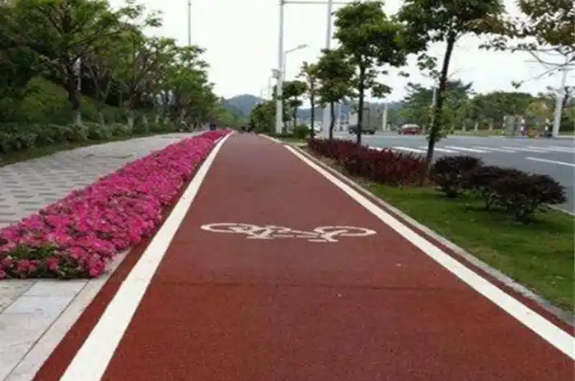
Cities use high friction surfacing to improve safety and traffic management.
Applications include:
• Bus lanes
• Bicycle lanes
• Pedestrian areas
• Traffic safety zones
Southeast Asia is experiencing rapid infrastructure growth, creating increasing demand for durable road safety materials.
Countries such as Thailand, Malaysia, Indonesia, and the Philippines require pavement solutions that can withstand:
• Tropical climates
• Heavy rainfall
• High traffic volumes
• Long-term outdoor exposure
High friction road surfacing materials provide a reliable solution for these challenging environments.
When selecting a high friction surfacing supplier, buyers should consider:
• Material quality
• Production capability
• Technical support
• Export experience
• Project application knowledge
A professional manufacturer can provide customized solutions for different road conditions and traffic requirements.
High Friction Road Surfacing Materials are an effective solution for heavy traffic areas where safety and durability are essential.
With excellent skid resistance, strong wear performance, and weather durability, these materials help improve highways, industrial roads, airports, bridges, and urban transportation systems.
As global infrastructure continues to develop, high friction surfacing will play an important role in creating safer and longer-lasting road networks.